
The Story
Why it exists.
The beginning
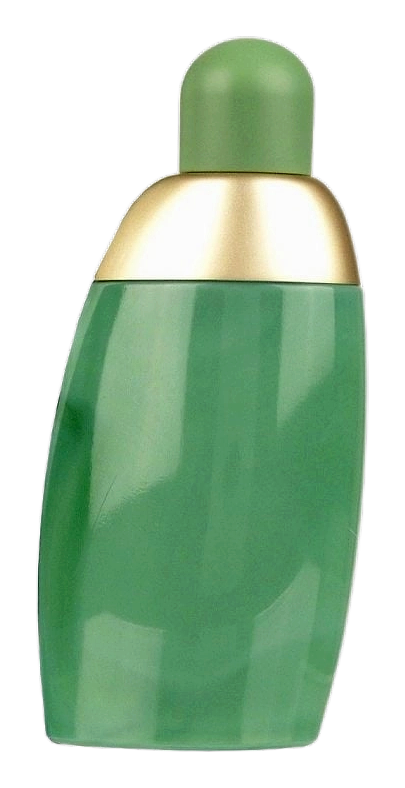
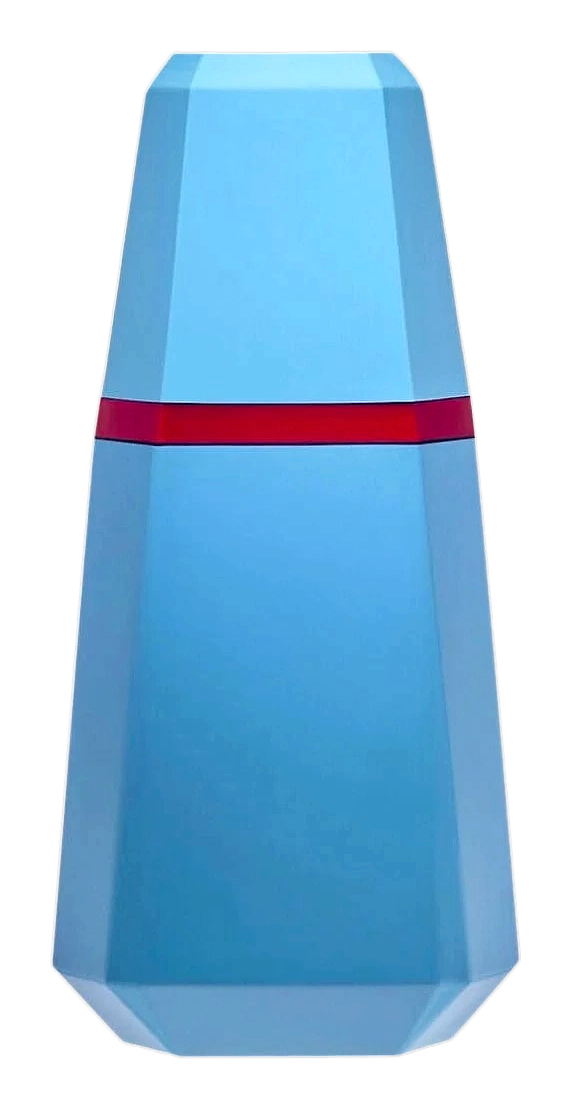
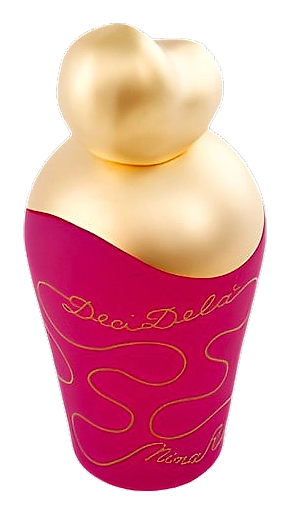
Deci Dela arrived in 1994 from Nina Ricci, the Parisian house built on romantic femininity. Perfumers Jean Guichard and Evelyne Boulanger created a fruity-floral chypre that felt both lush and grounded, a contradiction the house pulled off with apparent ease. The bottle, designed by Elisabeth Garouste and Mattia Bonetti, carries a certain confidence in its design. Whether the name means anything specific or simply sounds that way, it works. It's a fragrance that arrived without apology and wore its name like a shrug. The top notes burst with apricot and peach, their sweetness balanced by the tartness of raspberry and red currant. Underneath, a green, almost wine-like quality from boronia keeps the opening from being purely dessert, adding unexpected depth that rewards attention.
What makes Deci Dela distinctive is the tension between its notes. Stone fruits, apricot, peach, raspberry, arrive sweet and insistent. The resins and patchouli pull back in the opposite direction, grounding the sweetness before it can become juvenile. Osmanthus, with its apricot-like floral character, bridges both sides: present in the top, quietly informing the drydown. Boronia adds a green, almost wine-like complexity that keeps the opening from being purely fruity. The sweet pea in the heart is worth noting. It's often described as a fleeting note, delicate, fleeting, easy to miss. Here, it reads differently.
The evolution
The opening is immediately fruity. Apricot and peach arrive together, tumbling over each other with the urgency of stone fruit at their peak. Raspberry and red currant add tartness, cutting through the sweetness before it can settle. The boronia underneath brings a green, almost wine-like quality, unexpected, slightly astringent, keeping the top from being purely dessert. The sweet pea takes over as the dominant voice. Freesia carries the transition, softened by rose and jasmine deepening the heart. The sweet pea adds a waxy, green quality that keeps the florals from becoming too soft. The fruity notes fade gradually, leaving patchouli as the primary anchor. Warm and earthy, softened by cypress and resins. The vanilla and sandalwood appear as the fragrance settles, adding creaminess that rounds the edges. The sillage remains moderate throughout.
Cultural impact
Deci Dela is a discontinued fruity chypre that has maintained a quiet presence in fragrance circles. Its combination of osmanthus and boronia sets it apart from the typical fruity-floral template, giving it a complexity that rewards closer attention. The classic chypre structure keeps it from reading as purely sweet, grounding the fruit notes with earthy depth. Those who appreciate fragrances with character and a slightly unconventional approach find it worth seeking out.
The House
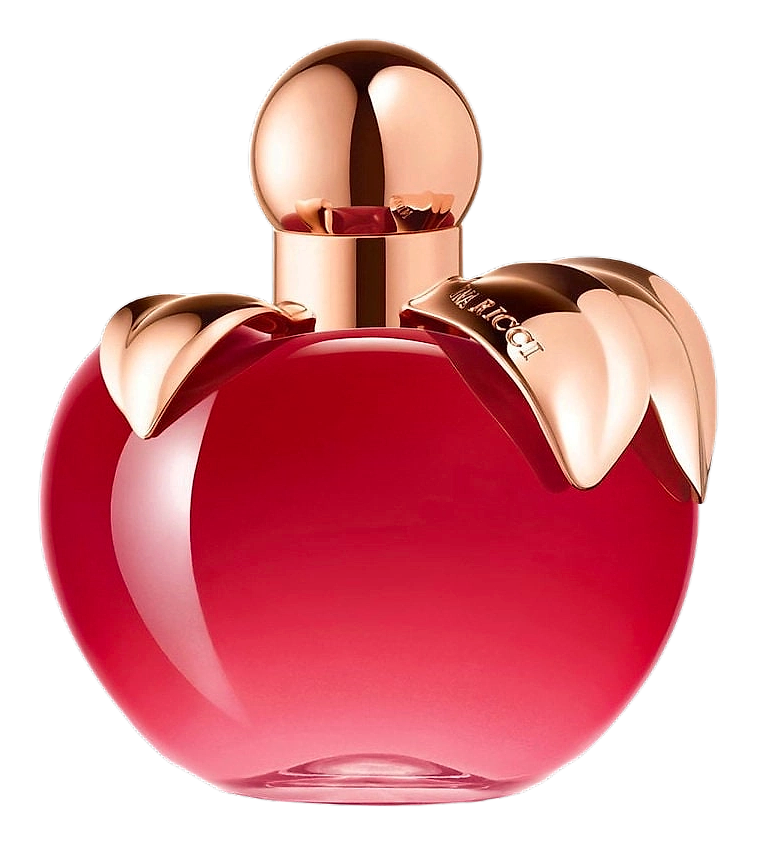
Nina RicciNina Ricci is a Parisian fashion house founded in 1932 by Italian-born designer Maria "Nina" Ricci and her son Robert Ricci. The house began as a couture salon on Rue Haussmann, quickly establishing a reputation for refined, feminine gowns with romantic sensibility. Robert established an in-house perfume division in 1941, though the first fragrance would not arrive until 1946. That inaugural scent, Coeur Joie, marked the beginning of a partnership with Lalique that would define the house's olfactory identity. The house introduced its most celebrated fragrance, L'Air du Temps, in 1948, a scent that remains in production decades later. Puig acquired Nina Ricci in 1998, bringing the house under the same ownership that manages Carolina Herrera and Jean Paul Gaultier. Today, the fragrance collection spans from timeless classics to contemporary offerings like the Nina line, maintaining the house's commitment to feminine elegance.
The Creator
Jean Guichard & Evelyne BoulangerGuichard's compositions share an architectural confidence. He favors density, building fragrances that feel substantial on first application and deepen over hours.