The Story
Why it exists.
The beginning
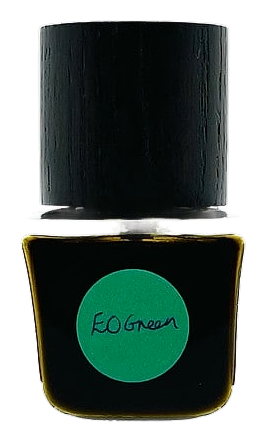
EO Green zeroes in on a single obsession: the cool, almost mint-like green edge that lives inside the finest kyara, a category of oud prized above nearly all others in agarwood collecting circles. Ensar Oud built the composition around that sensation rather than around oud's usual smoky or barnyard codes. The concept treats that elusive verdancy as a structural principle, not a decorative note, which is why the scent reads as greener and brighter than anything else bearing the EO name. Kyara supplies the rarest thread in the weave, but it's the way the surrounding materials are arranged around that thread that gives EO Green its particular character.
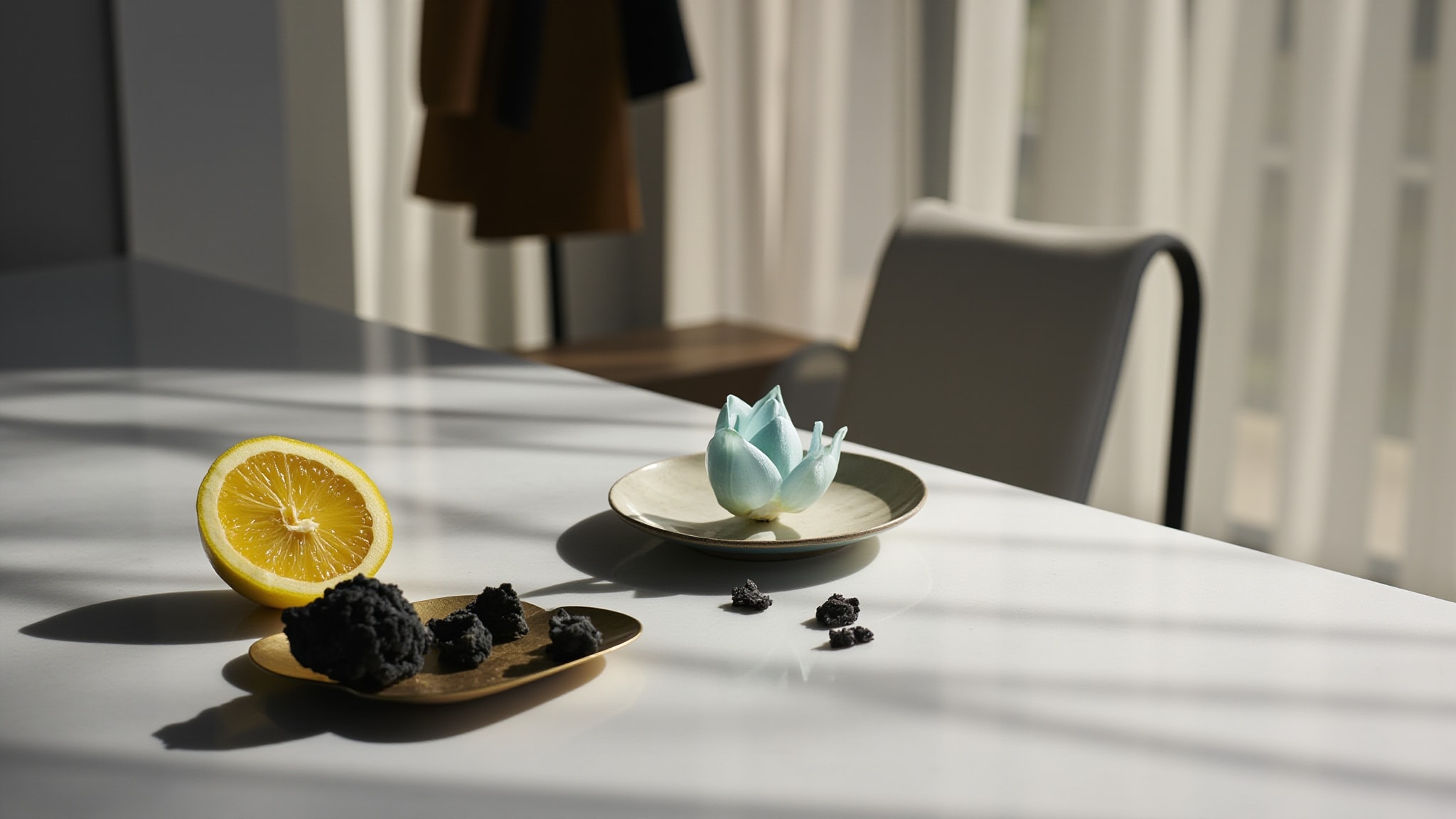
What separates this composition from standard oud-forward releases is the structural choice to let citrus and cool florals lead. Yuzu and blue lotus create a bright, almost translucent top layer that has no business sharing real estate with Cambodian oud, kyara, Mysore sandalwood, and a trio of animalic, earthy anchors. The tension between cool transparency and dense resinous depth is the point. It's a deliberate study in contrast rather than a straightforward oud statement.
The evolution
The first 15 minutes are almost jarring in their clarity. Yuzu and blue lotus arrive cold and clean, sharp enough to cut through whatever came before, and the whole composition feels suspended in mineral air. Between the 30-minute and 2-hour mark, the green recedes and the architecture reveals itself: tuberose and jasmine sambac swell underneath, creamy and slightly indolic, while three grades of oud (Cambodian, kyara, and Sri Lankan) start pulling the temperature upward. Castoreum and oakmoss do the work most people mistake for musk, adding a leathery, earthy grain that roughens the florals. By hour four, the bright opening is a memory. What's left is resinous, slightly animalic, and quietly smoky, with Mysore sandalwood giving it a creamy floor and the castoreum still murmuring at the edges.
Cultural impact
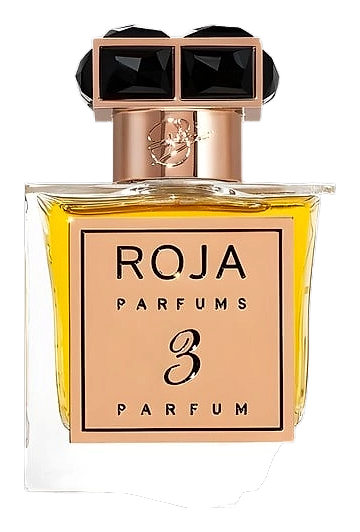
EO Green draws comparisons to the brand's own Irian Green, Qi Nan Ghalia, and 1984, and sits near Zoologist Civet and Roja Dove Parfum De La Nuit No 3 in fragrance databases that track resinous, green-leaning compositions. It's a fragrance that appeals to wearers who measure scent in provenance and rarity rather than mass appeal, and its production has been reportedly discontinued, which has only increased its collector status. The scarcity has pushed it into a space where finding a sealed bottle requires patience and luck, and the secondary market reflects that demand.