The Story
Why it exists.
The beginning
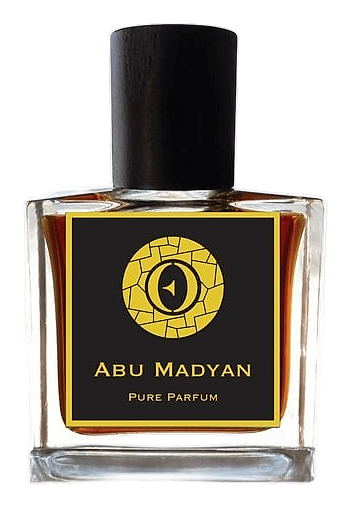
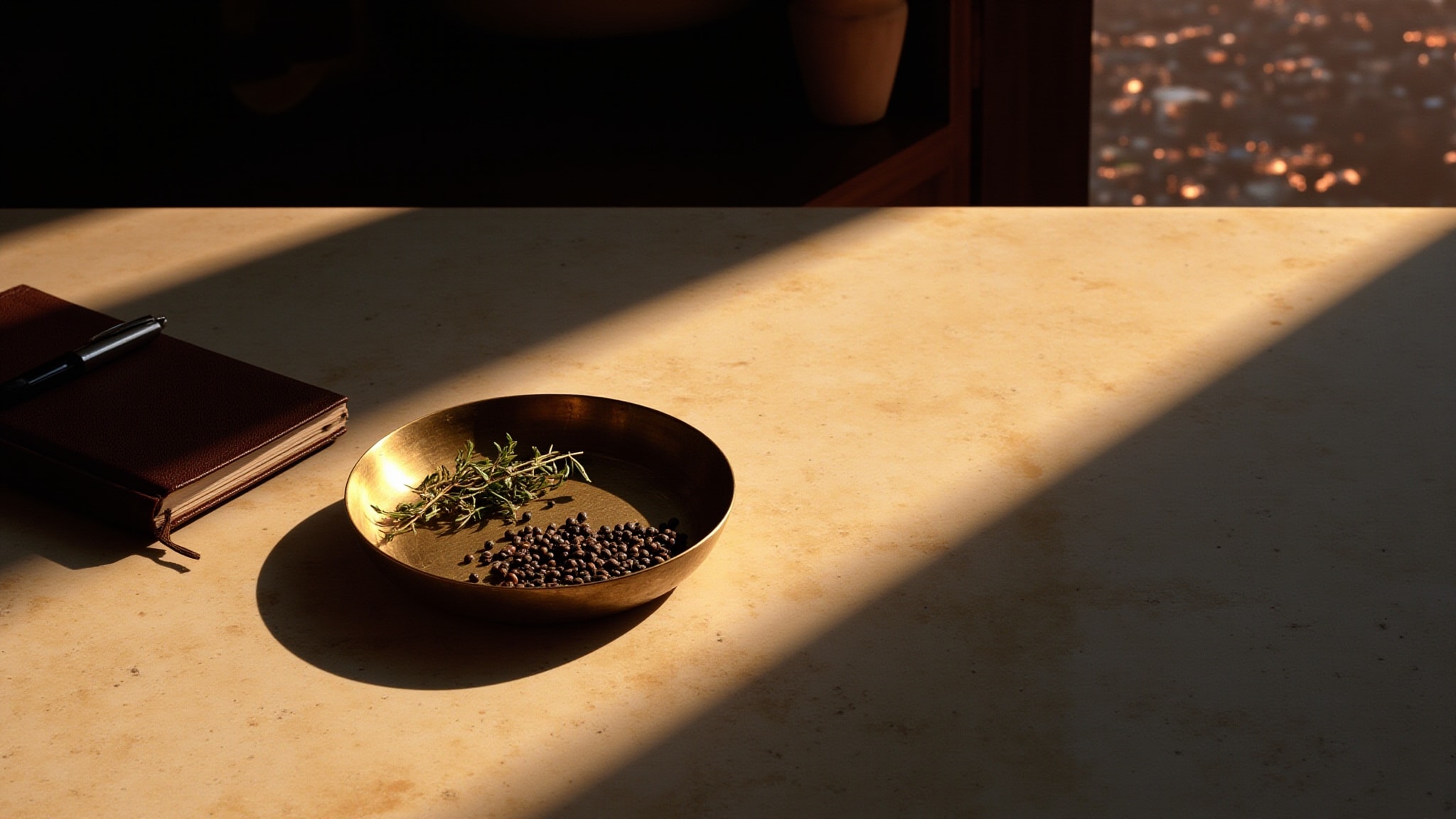
Abu Madyan traces its namesake, a Sufi figure known as the "Sufi of Sufis," whose spiritual journey began in Seville and ended in Tlemcen, Algeria. The fragrance maps that crossing: from the dry gardens of southern Spain to the rock-baked coastal heat of North Africa. Thyme and chamomile anchor the Iberian herbs. Cinnamon, clove, and saffron carry the spice across the Strait. Indian oud and Indian sandalwood serve as the binding agent, materials with the depth to fuse Mediterranean herbs and North African heat into one continuous atmosphere. An olfactory map intended to capture Abu Madyan's journey, rendered not as a lineup of notes but as a climate.
What makes this composition unusual is its refusal to separate "Western" and "Eastern" olfactive vocabularies. Thyme, chamomile, coriander, and Sichuan pepper open with an almost herbal clarity. Then saffron and clove arrive and the whole frame shifts, warmer, denser, more opaque. The base anchors this shift with Indian oud, Indian sandalwood, styrax, and liatrix (the "blazing star" flower), which lends a buttery, pollen-powdered texture. Liatris is rare in mainstream fragrance; here it softens the spice without sweetening it.
The evolution
The opening is bright, almost brittle: thyme, coriander, and Sichuan pepper cut through with a green, herbaceous clarity. The chamomile sits underneath, giving it a calmness that the pepper tries to override. As the composition settles on skin, the spices reorganize. Cinnamon and clove warm the space. Saffron arrives like dust settling in late-afternoon light, golden and slightly bitter. The oud doesn't surface all at once; it emerges gradually, threading upward through the saffron. The composition shifts from sharp to dense: sandalwood and styrax take over, the styrax lending a dark sweetness that softens the spice rather than removing it. The liatrix (blazing star) adds a creamy, pollen-dusted texture that stays on skin for hours. What's left on a worn-in day is oud, sandalwood, and a ghost of vetiver. Close to the skin. Warm. Hard to place, hard to forget.
Cultural impact
Abu Madyan carries the name of the Sufi figure Abu Madyan, whose impact on North African spirituality was far-reaching and whose journey traced from Seville to Tlemcen. That geographic crossing gives the composition its narrative spine: Mediterranean herb gardens on one side, North African spice routes on the other, with the Strait of Gibraltar as the hinge point. Thyme, chamomile, coriander, and black pepper anchor the Iberian end of the map; saffron, clove, cinnamon, and oud carry the weight of the Maghreb.