The Story
Why it exists.
The beginning
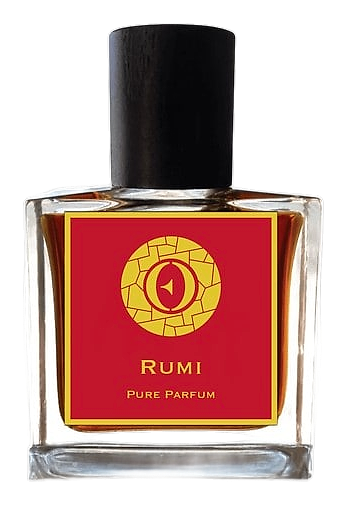
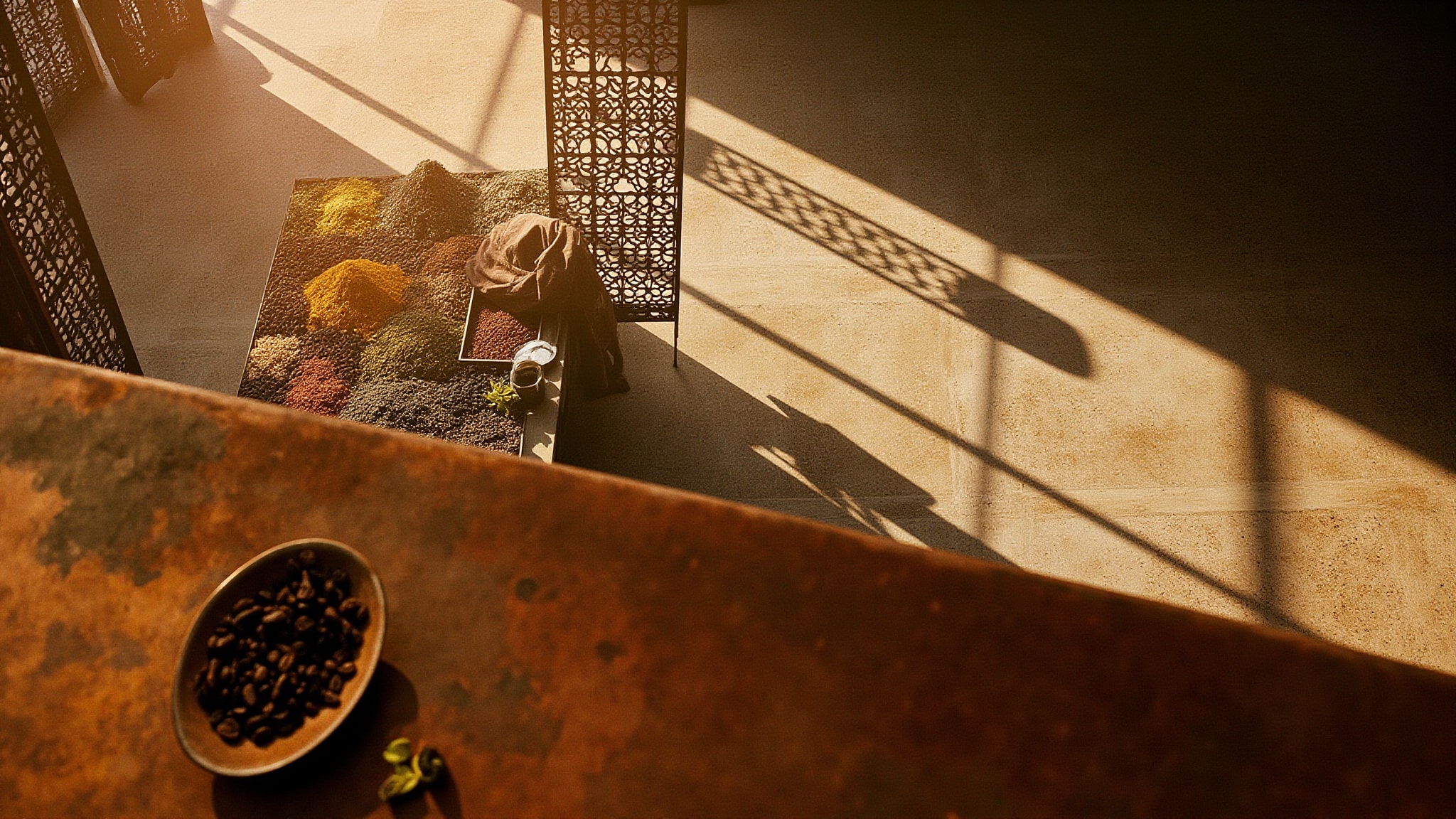
The EO Heritage collection draws from places where scent and spirit have always been close. Rumi takes its name from the thirteenth-century Persian poet whose verses on love and longing still read like they were written yesterday, and whose world was saturated with fragrance. Sufi disciples cultivated flower gardens around their zawiyas, filling the air with rare scents meant to guide the soul toward something beyond the ordinary. The opening notes, ginger, apricot, cardamom, clove, arrive like walking through a spice market at dusk, catching the warmth rising from a fresh brew. Sweetness drifts upward. Spice settles close to the skin. It is the marketplace and the prayer room, the same breath.
What sets this apart from a straightforward spice composition is the heart. Elderflower, jasmine sambac, osmanthus, Persian rose otto, ylang-ylang, seven florals in all, arrive not as a single accord but as a layered conversation. The cardamom that opened the fragrance doesn't vanish; it threads through the florals, keeping them grounded in warmth rather than letting them float into something purely delicate. Osmanthus brings its apricot-leather signature. The Persian rose otto keeps its distance, lending depth without sweetness. By the time the drydown arrives, coffee, cocoa, ambergris, Tibetan musk, the florals have been holding the composition together all along. It's a crowded stage, but nobody trips.
The evolution
The opening announces itself within seconds. Ginger and clove arrive sharp and immediate, with apricot sweetness threading through like a rumor. Cardamom is the connective tissue, present in the first minute, still present six hours later. The heart phase arrives around the thirty-minute mark, and the florals bloom as a unit. Nothing dominates. Elderflower, jasmine, osmanthus, ylang-ylang, Persian rose, they layer into something velvety and dense without becoming heavy. The cardamom continues its quiet work underneath, keeping the florals tethered to warmth. By hour three, the base begins to assert itself. Coffee and cocoa create a bitter-gourmand tension, ambergris adds animalic depth, and the Tibetan musk sits closest to the skin, close enough to feel intimate even as the sillage carries across the room. The oud is present but not dominant; it hums beneath the florals and coffee rather than announcing itself. Eight to ten hours on most skin types. The next morning, the coffee-tobacco residual clings to fabric like a memory of the evening before.
Cultural impact
Part of the EO Heritage collection, Rumi occupies a specific space: for wearers who already understand oud and are ready for something that earns its complexity. The cardamom-oud-floral structure reads differently depending on where you come from, Western noses often find it surprising, while those familiar with Middle Eastern perfumery recognize its lineage. What makes it notable in the wider landscape is the restraint: with this many materials in play, most compositions collapse into noise. Rumi holds together, which is the actual trick.