Elderflower
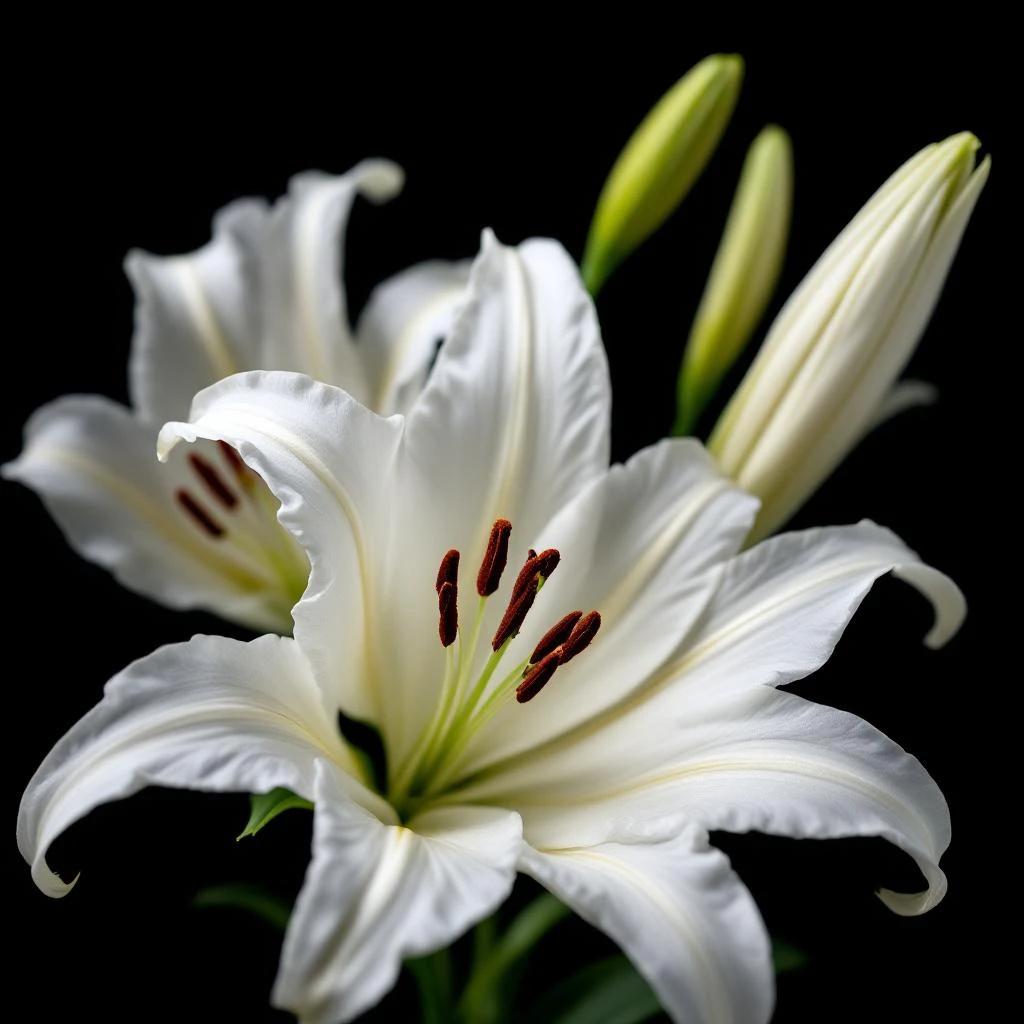
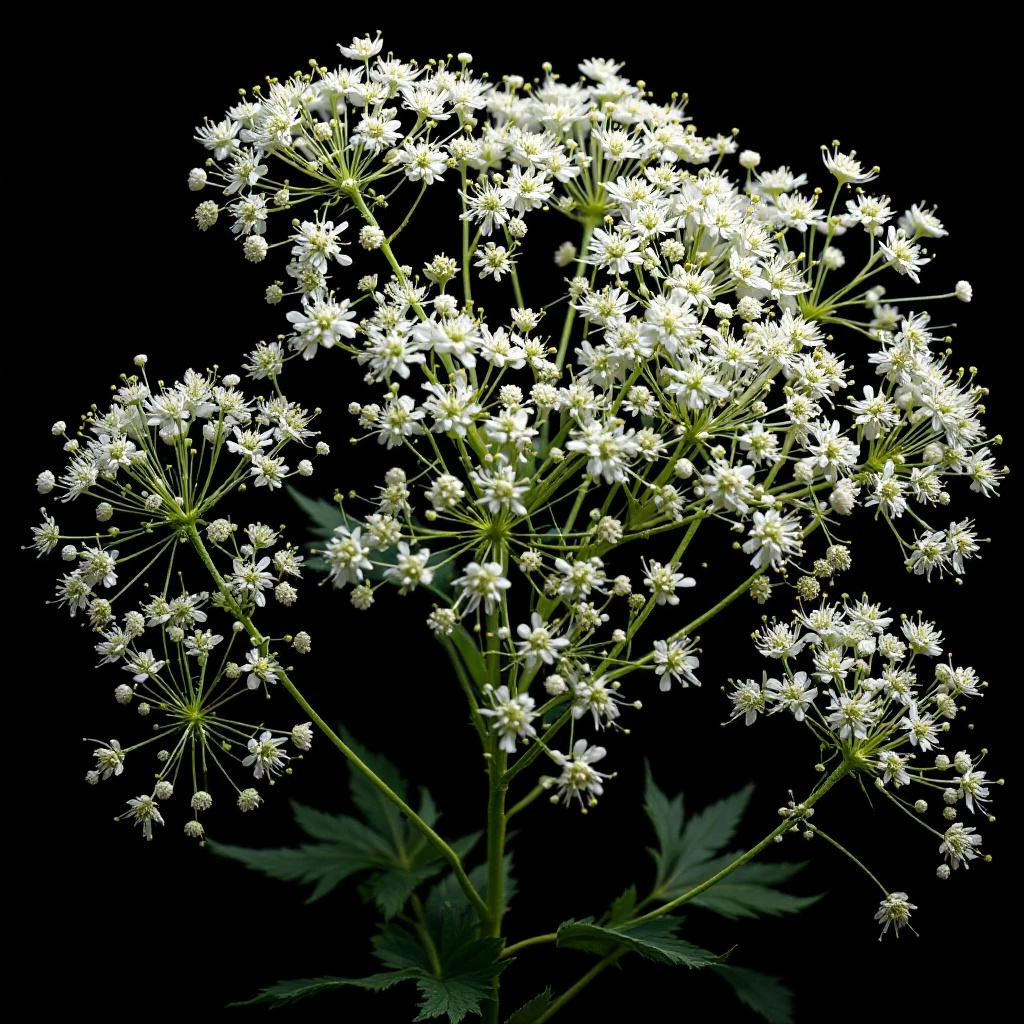
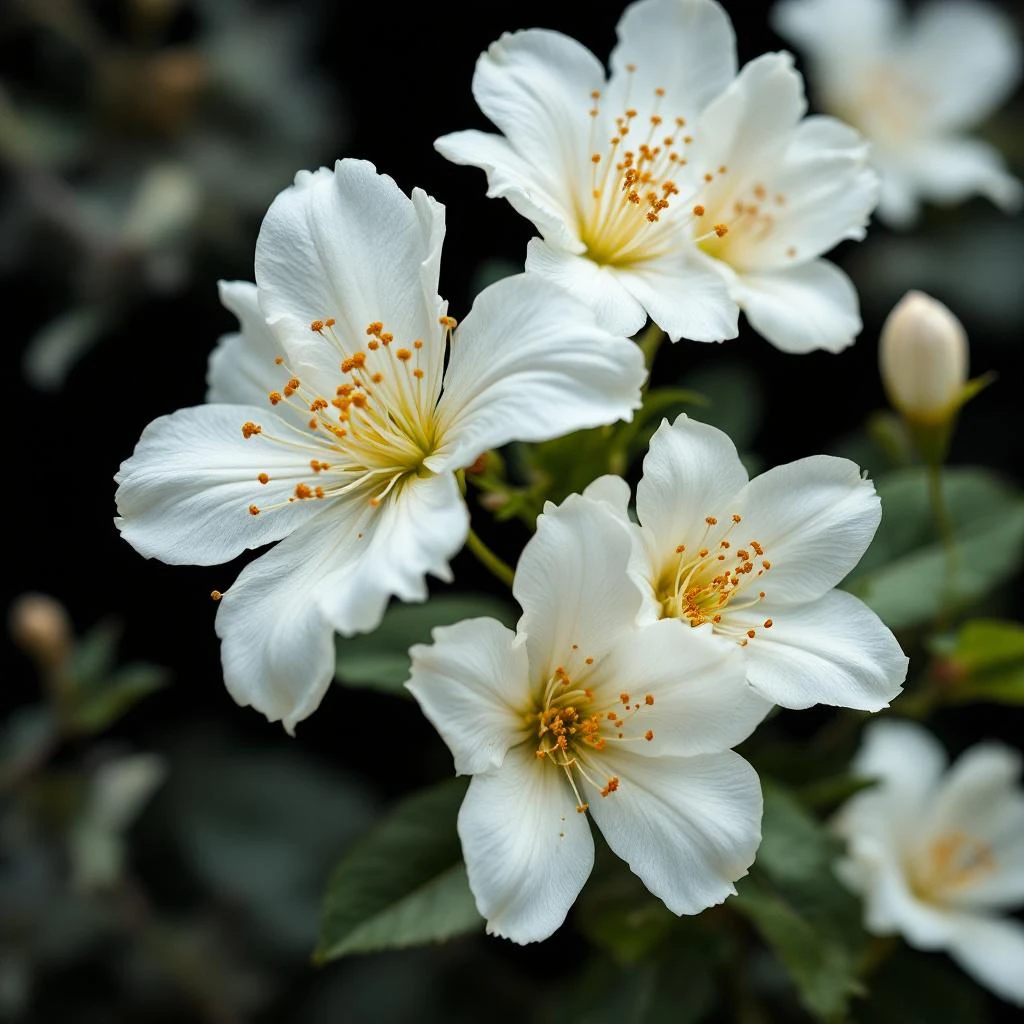
Elderflower delivers a delicate, sun-warmed sweetness with hints of pear, lychee, and soft pollen. The small white blossoms of Sambucus nigra yield an absolute prized for its airy, almost edible quality in modern perfumery.
Character
How it smells
Sunlit blossoms with a whisper of summer sweetness
Elderflowers must be picked on dry mornings because wet petals produce a muddy, grassy absolute with none of the bright, honeyed character perfumers seek.







Origin
France
The elder tree, Sambucus nigra, has held a place in European folk tradition for centuries, where its flowers and berries featured in cordials, wines, and medicinal preparations dating back to at least medieval times. Elderflower water was distilled for cosmetic and therapeutic use in 17th-century England, though not for fine perfumery. The flower entered serious fragrance composition only in the late 20th century, when advances in solvent extraction allowed perfumers to capture its fragile, nectar-like scent without the degradation caused by older methods.
François Coty's late 19th-century work popularizing absolutes laid the technical groundwork, but elderflower itself remained a rare and expensive material until the 1990s. Since then, it has appeared in green, floral, and gourmand compositions, valued for adding a translucent, summer-afternoon quality to blends dominated by heavier florals or rich musks.
Wears it best
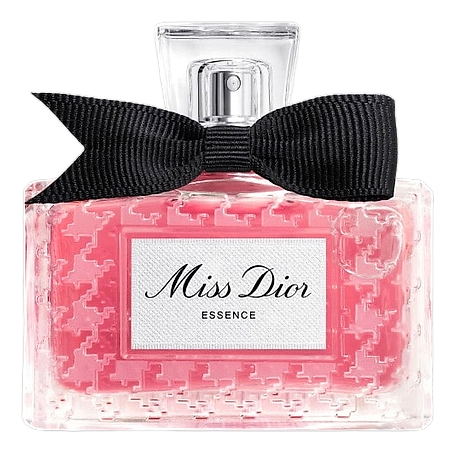
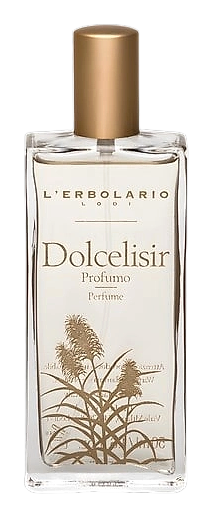
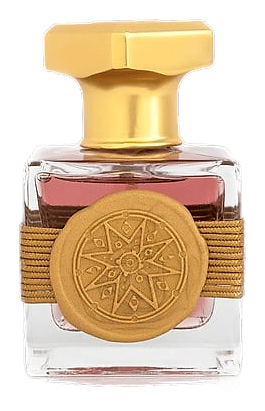
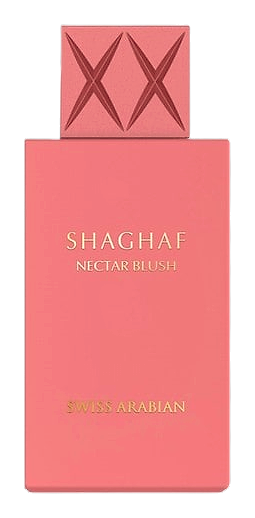
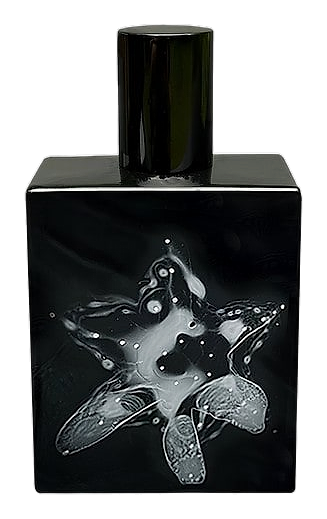
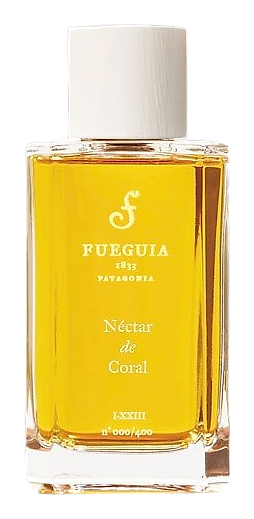
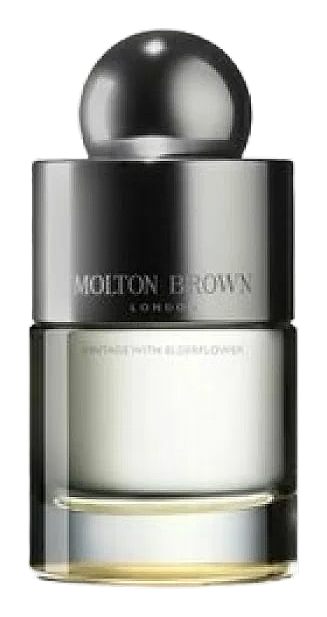
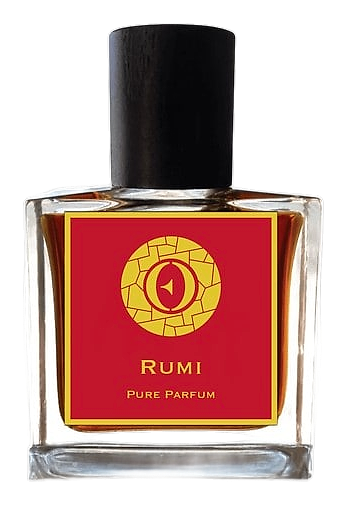
Fragrances featuring Elderflower
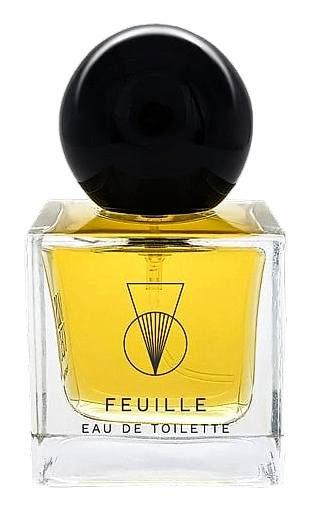
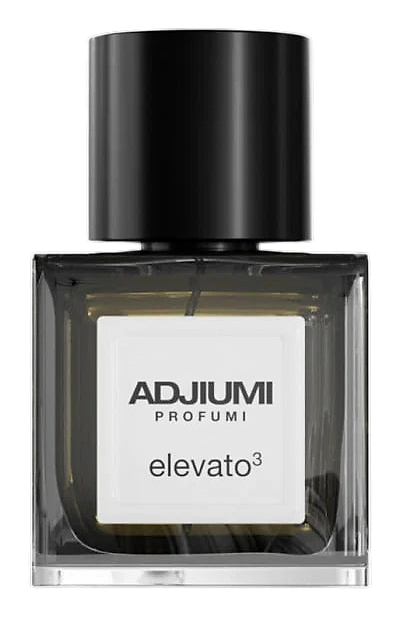
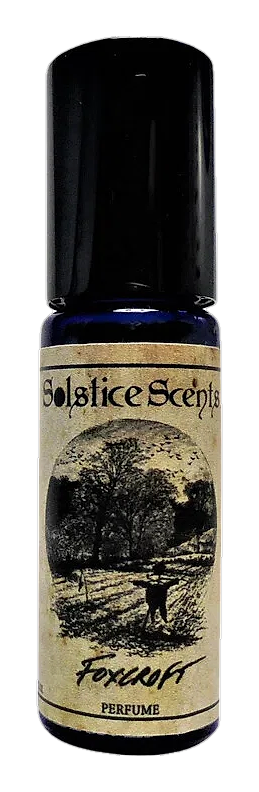
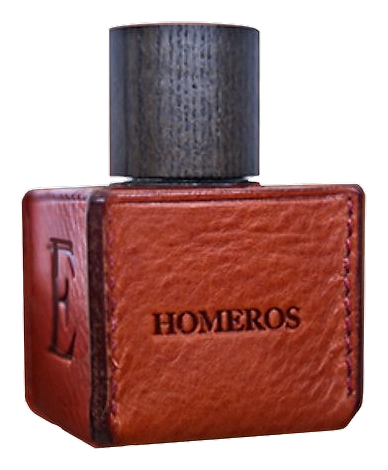
Brands
Brands known for Elderflower
Good to know
Questions, answered
The essentials on Elderflower in perfumery: how it smells, where it comes from, and how it behaves on skin.
What does elderflower smell like in perfume?
Elderflower has a delicate, sweet-floral scent with notes of pear, lychee, honey, and soft pollen. It smells airy and almost edible, lending a fresh, summery quality to fragrance compositions.
Is elderflower a top, heart, or base note?
Elderflower is typically a heart note. Its fresh, floral character emerges after top notes fade and bridges the composition toward the warmer base, adding brightness and a soft, natural sweetness.
How is elderflower absolute extracted?
Elderflower absolute is produced by solvent extraction, usually with hexane. Fresh blossoms yield a concrete, which is then washed with alcohol to isolate the absolute. The process is preferred over steam distillation to preserve the flower's delicate aroma.
Where does elderflower for perfumery come from?
Most commercial elderflower for fragrance is cultivated in southern France, particularly the Provence and Loire regions. Wild harvests also occur in the UK, Germany, and the Balkans.
What perfumes famously feature elderflower?
Elderflower gained prominence in niche perfumery during the 1990s and 2000s. It appears in Penhaligon's 'Elderflower Extract' and several green-floral compositions by independent houses exploring natural, garden-inspired scents.
Is elderflower expensive compared to other floral materials?
Elderflower absolute is moderately expensive. Low yield from the delicate blossoms and labor-intensive harvesting make it pricier than lavender or rose, though less costly than tuberose or jasmine absolutes.
What other notes pair well with elderflower?
Elderflower blends well with pear, lychee, green tea, neroli, and violet. It also complements soft musks and light woods, making it versatile in fresh, floral, and slightly gourmand compositions.
Can elderflower be used as a natural remedy in perfumery?
While elderflower has traditional medicinal uses in teas and tinctures, its role in perfumery is purely aromatic. It contributes scent complexity and a natural, garden-fresh character, not therapeutic effects.