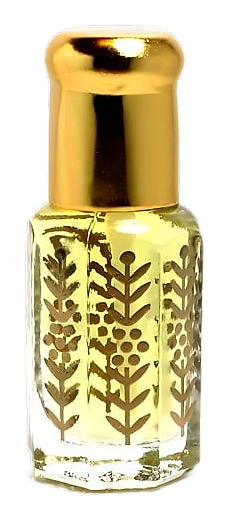
The Story
Why it exists.
The beginning
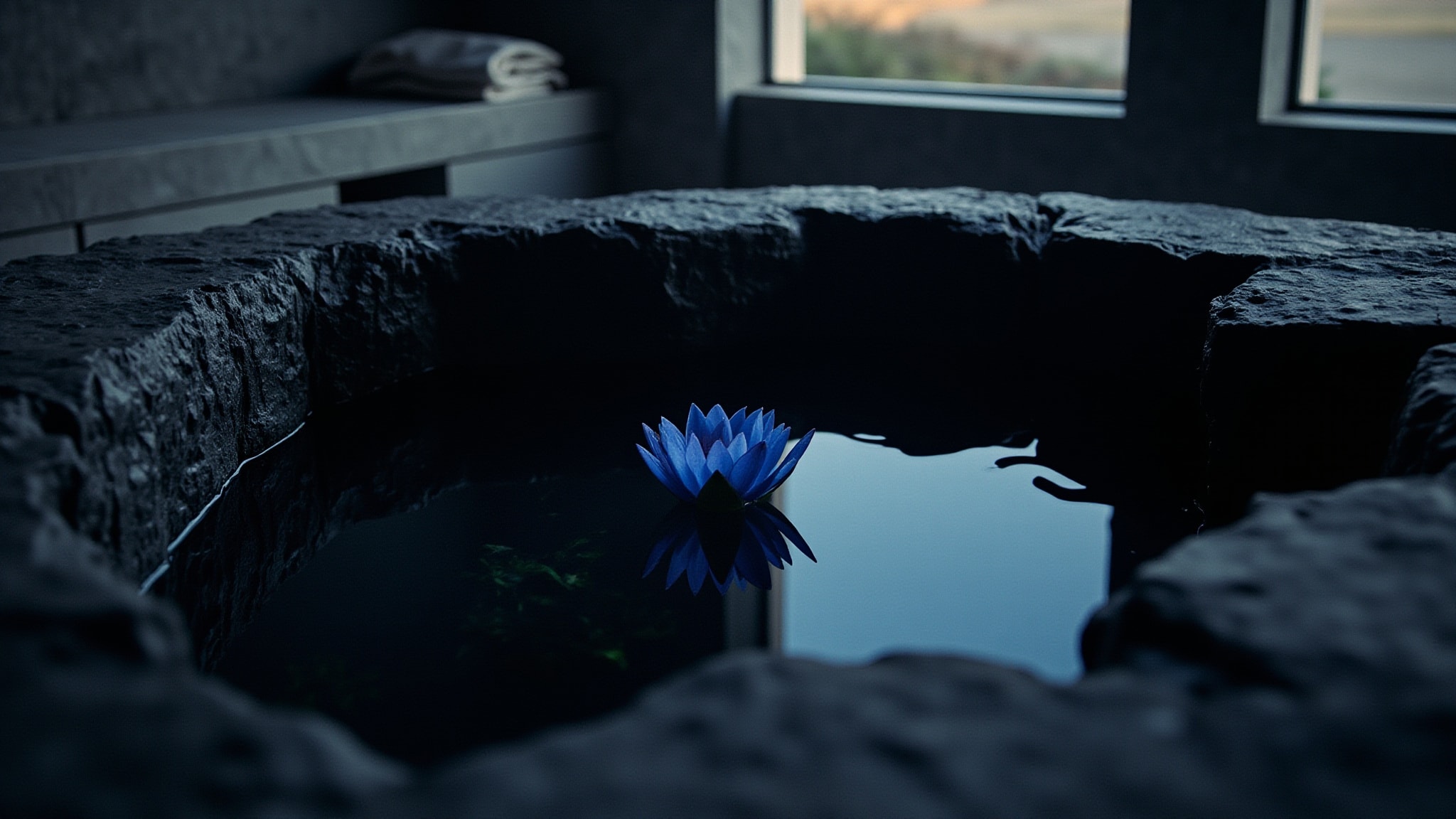
Blue Kalbar began with a search. Ensar Oud spent years tracking down Thai blue lotus absolute, an oil so scarce that annual production in the region amounts to roughly three kilograms. About three tons of flowers yield a single kilogram of oil. The perfumer knew this material the moment it arrived. Sweet. Floral. delicate. Serene. Gentle. The kind of ingredient that reveals something new every time you return to it. But there was a problem: blue lotus alone floats. It needed something to anchor it, something that could hold that beauty without smothering it. The solution came in the form of civet, genuine oud oils, and Mysore sandalwood aged for decades. Blue Kalbar was composed around a single obsession. Everything else was written in service of it.
Blue lotus absolute is the rarest material in the composition, and possibly one of the rarest in perfumery. Three tons of flowers yield a single kilogram of oil. The perfumer sourced it directly in the Thai countryside, and failure to source it again later became the reason for Blue Kalbar's extended hiatus. That scarcity isn't incidental. It's structural. Every other ingredient in the pyramid exists to do something specific with that lotus, to frame it, balance it, give it somewhere to live on skin. Warm florals like frangipani and Gallic rose keep it from floating away. Mysore sandalwood and two oud oils from Sri Lanka and East India provide the earth.
The evolution
The blue lotus absolute hits skin first. Cool. Bright. A sweetness that doesn't compete, it simply arrives and holds the room. Orange blossom adds a brief citrus-floral lift. Lavender whispers at the edges, herbal and soft, then recedes before the heart takes over. Around twenty minutes in, the florals deepen. Frangipani brings tropical warmth. Gallic rose adds a rich, romantic edge. Mimosa softens everything into powder. Blue cypress keeps the heart cool enough that the florals never turn heavy. Nutmeg appears as warmth without weight, binding the heart to the base. By the third hour, the animalic character announces itself. Oud and civet lead. Ambergris follows with a maritime sweetness. The lotus is still there, quieter now, settled into skin rather than floating above it. Mysore sandalwood and Kewda attar anchor the drydown with warmth that stays close, intimate, present for eight to ten hours. Blue Kalbar doesn't evolve dramatically. It deepens. It stays.
Cultural impact
Blue Kalbar sits in a specific corner of niche perfumery: rare materials, natural oud, and a composition built around an ingredient most people have never encountered. Blue lotus is scarce enough that wearing it is an education as much as an experience. For those drawn to its floral-animalic duality, Blue Kalbar represents a legitimate introduction to one of perfumery's rarest materials, a fragrance that asks something of its wearer and rewards those who give it.