
The Story
Why it exists.
The beginning
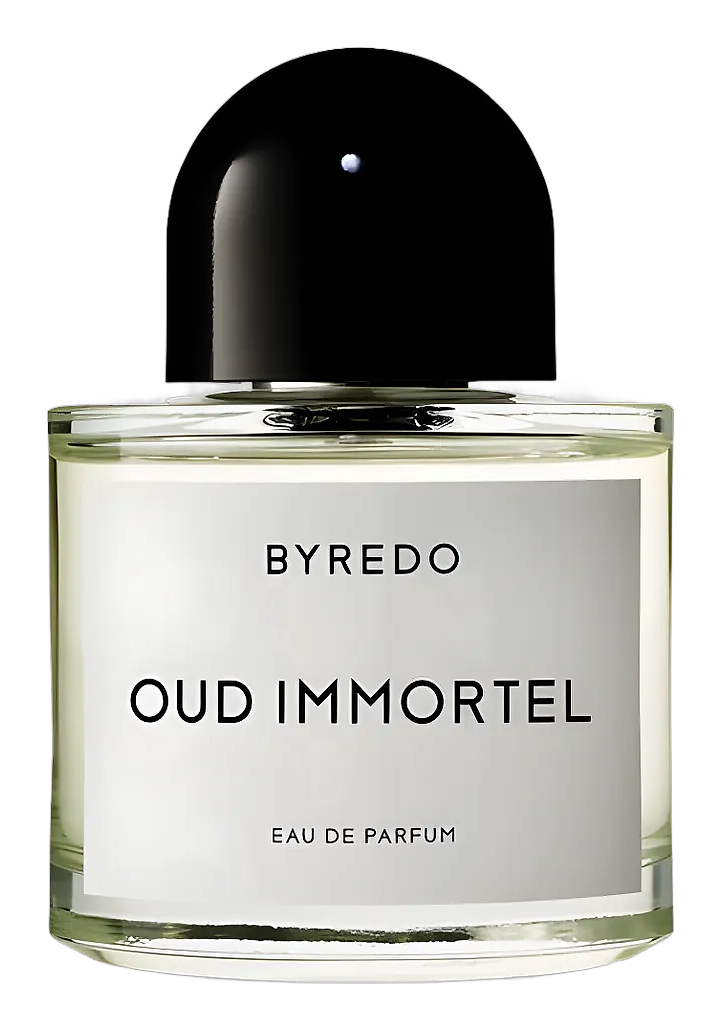
Byredo built Oud Immortel on the story of agarwood, a material the house rarely uses yet deploys here with characteristic clarity. The agarwood tree produces its precious resin as a defense mechanism against infection, a dark and fragrant material that carries millennia of cultural weight. References to this resin appear in the Sanskrit Vedas where it was used to consecrate temples and honor royal courts across ancient civilizations. Ben Gorham distilled this historical gravity into a 2010 composition that honors oud's sacred past while applying his Stockholm-based minimalism to the form.
Byredo treats each material as a document of experience rather than a mere fragrance ingredient. The frankincense in the opening provides aromatic clarity while the cardamom adds spatial depth, creating an opening that feels both sacred and contemporary. Papyrus and rosewood in the heart connect ancient writing materials with warm wood, grounding the composition in tactile history. The drydown's oud and tobacco reference both natural and human-made materials, while moss keeps the entire structure connected to the earth beneath. The notes work together to create something that feels less like a perfume and more like an olfactory artifact.
The evolution
Oud Immortel unfolds like a meditation moving from sacred to terrestrial. The opening channels incense rituals through frankincense and cardamom, two materials that arrive with immediate authority and a smoky, aromatic presence. The heart introduces papyrus, rosewood, and patchouli, materials that bring earthiness and wood without softness. The drydown settles into darkness as oud, tobacco, and moss create a final chapter that feels ancient and grounded, the kind of fragrance someone might wear when preparing to step into a temple or an important evening meeting.
Cultural impact
Oud Immortel established Byredo's reputation in the oud category when it launched in 2010. Where traditional oud fragrances leaned into density and sweetness, Byredo offered an alternative: woody, smoky, and controlled. The fragrance attracted a following among wearers who wanted oud's depth without its typical boldness, making it an entry point for many into the world of premium niche perfumery.