Cambodian Oud
Cambodian Oud carries the quiet intensity of ancient forests distilled into resin. Sourced from Aquilaria trees in Southeast Asia, this prized oud offers warm, leathery depth with subtle spice, anchoring some of the world's most refined compositions.
Character
How it smells
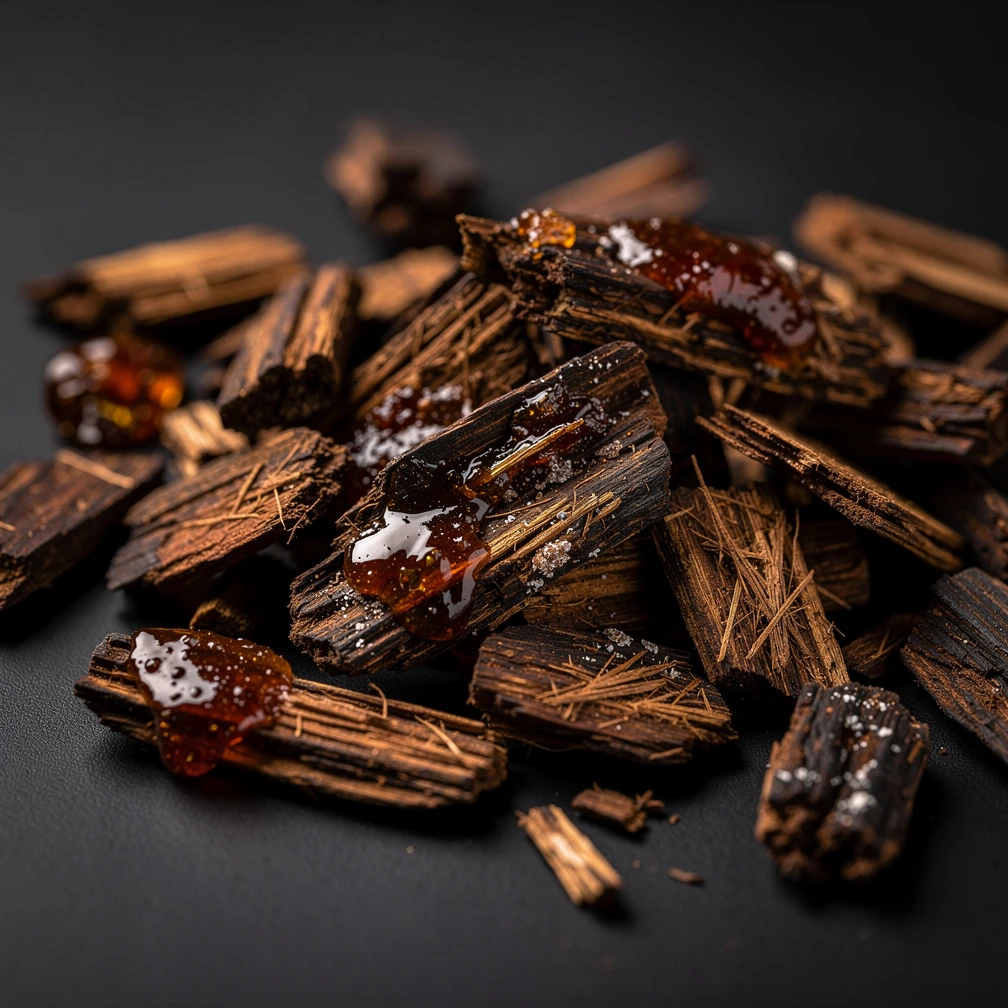
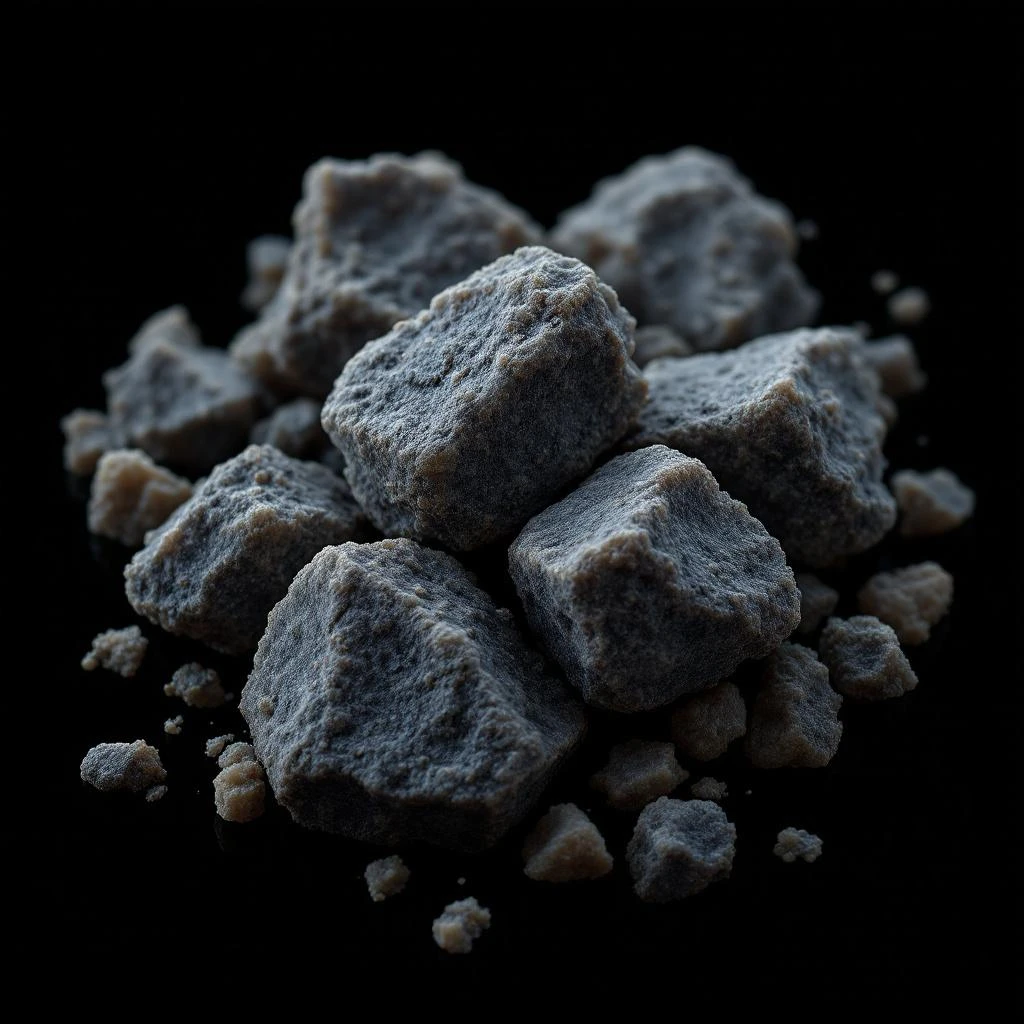
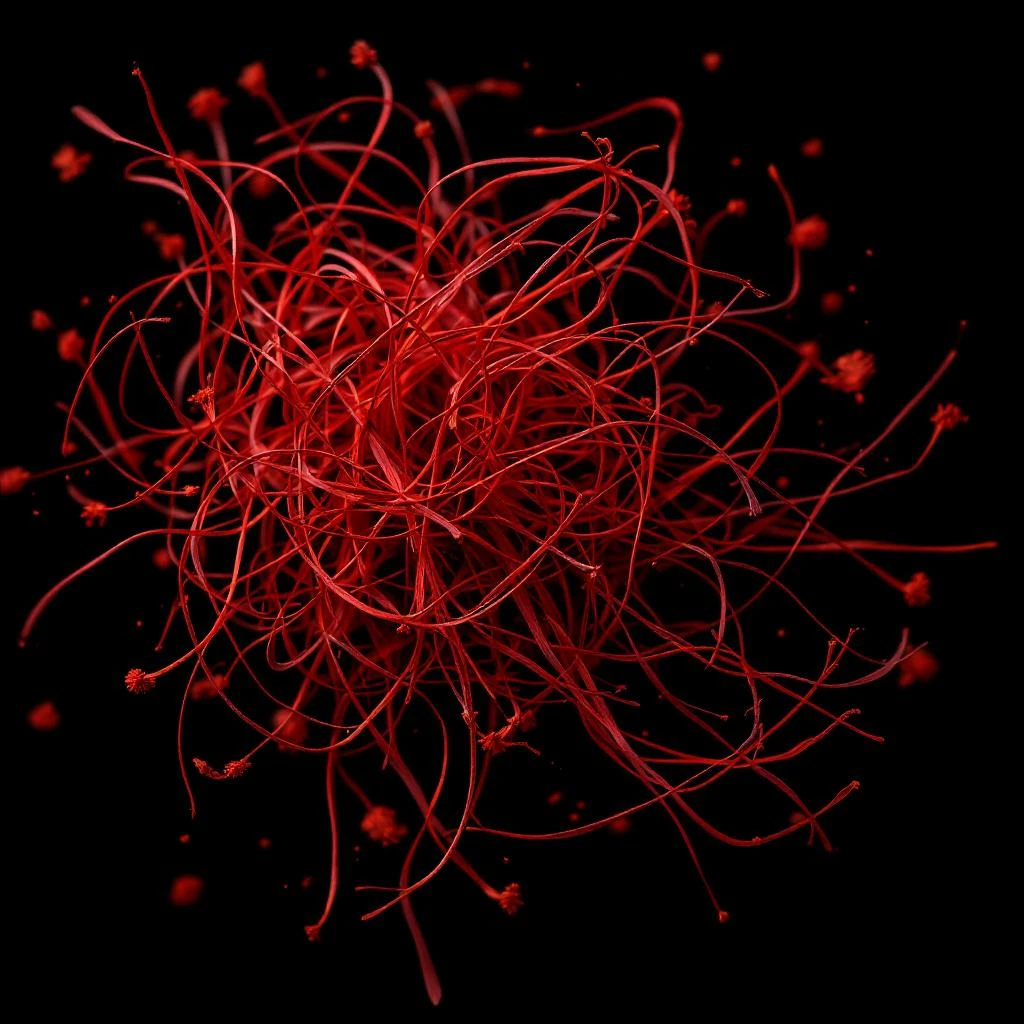
Warm resin forged by forest and fungal alchemy
Cambodian oud oil can require decades to form naturally. A single kilogram of pure distilled oil sometimes demands several tons of resinous heartwood.






Origin
Cambodia
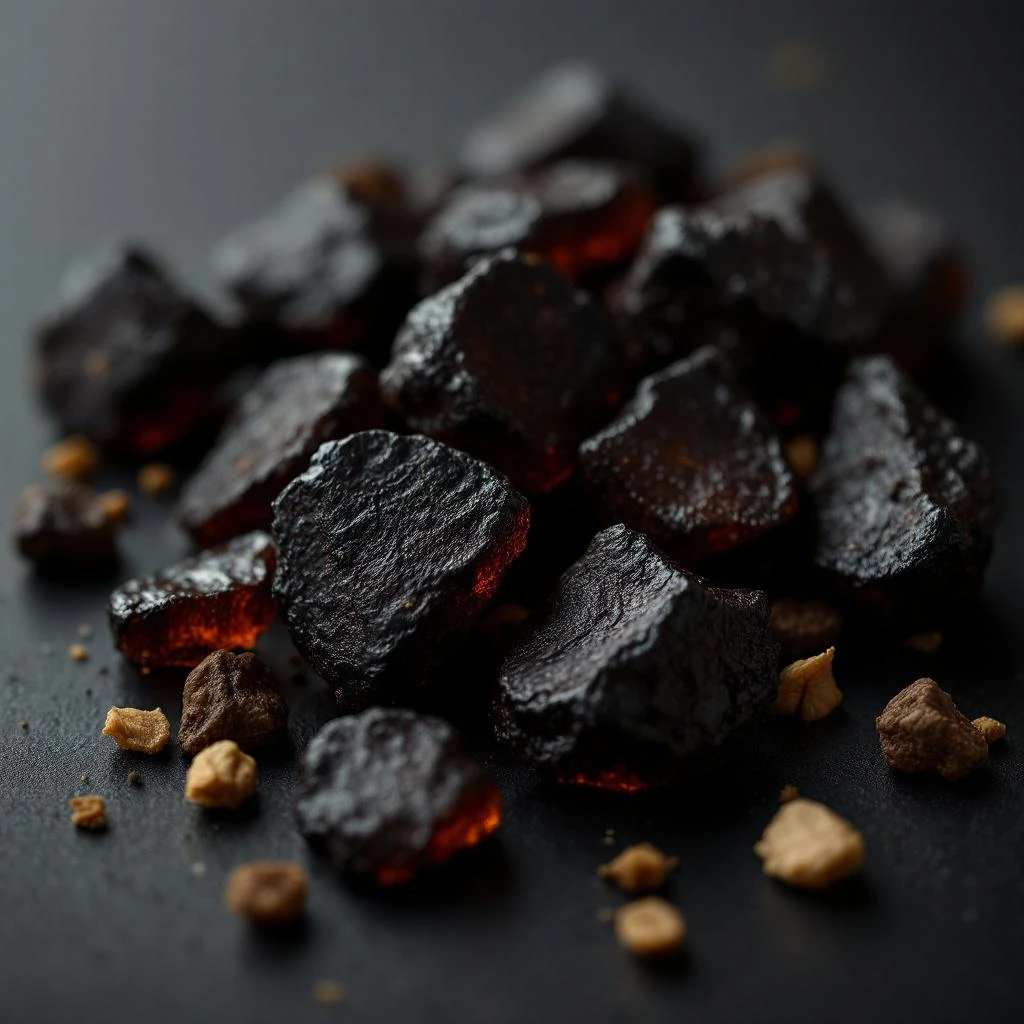
Cambodian Oud traces its history to the forested highlands of Southeast Asia, where Aquilaria trees have grown wild for millennia. By the 2nd century CE, Cambodian oud compositions had already become among the most sought-after in regional trade networks. The resinous wood traveled along ancient routes connecting Cambodia to India, China, and eventually the Middle East, where it became woven into religious ritual, royal ceremony, and traditional medicine.
In Khmer culture, oud was burned as sacred incense in Buddhist temples, its smoke believed to carry prayers skyward. Across the Arabian Peninsula, Cambodian oud earned particular reverence for its depth and longevity on skin, often commanding prices above regional alternatives. During the height of the Silk Road, traders distinguished Cambodian material by its warm, slightly sweet profile.
Today, wild Aquilaria populations have dwindled under centuries of harvesting pressure, pushing production toward cultivated plantations and conservation efforts. Yet Cambodian oud retains its reputation as a benchmark of quality, valued by perfumers and collectors who trace the ingredient's story back through two thousand years of trade and devotion.
Wears it best
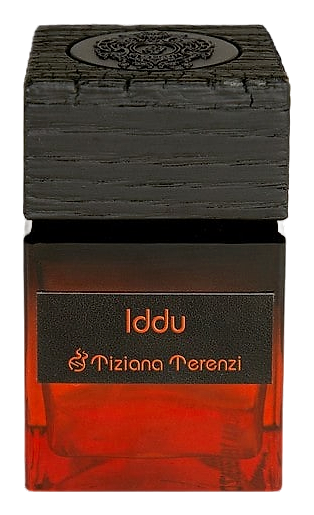
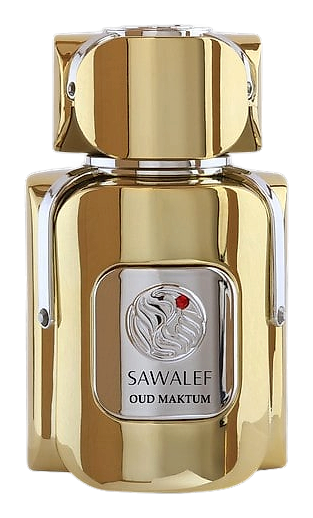
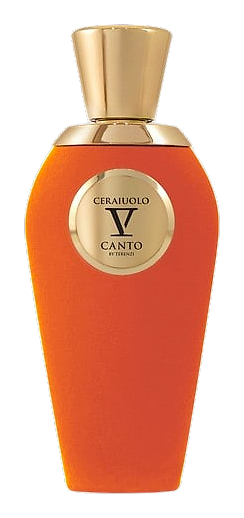
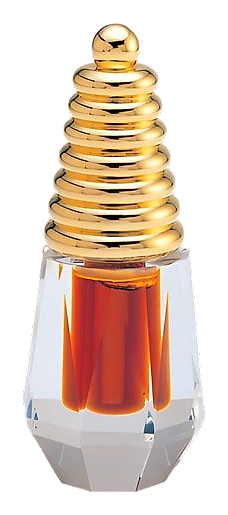
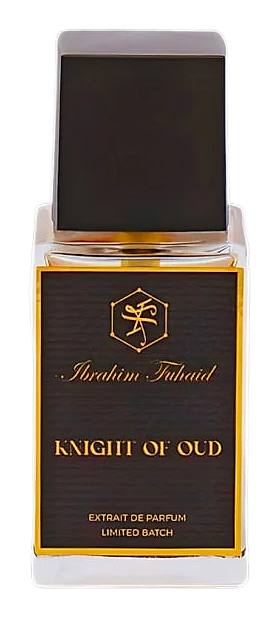
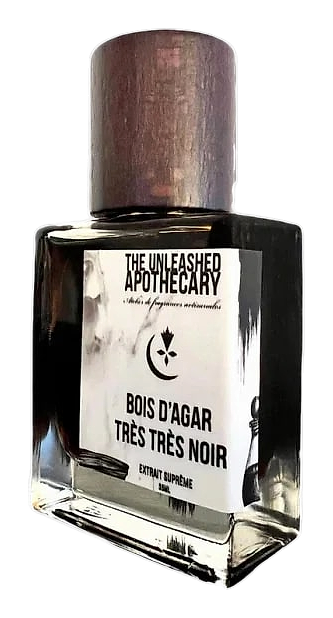
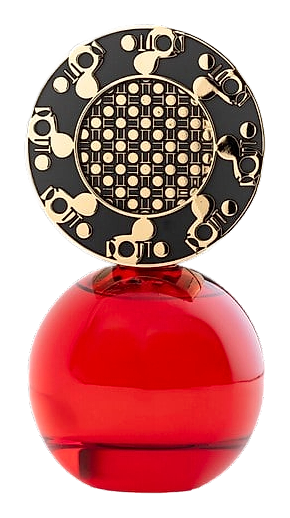
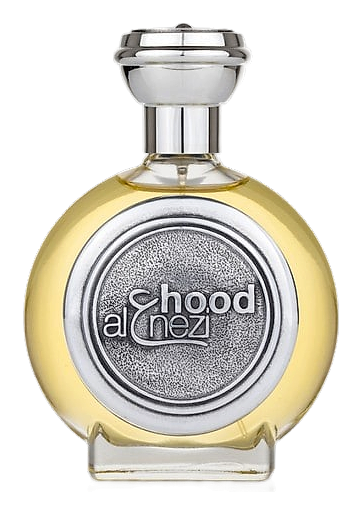
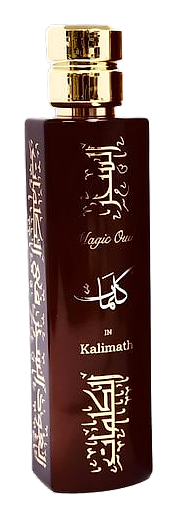
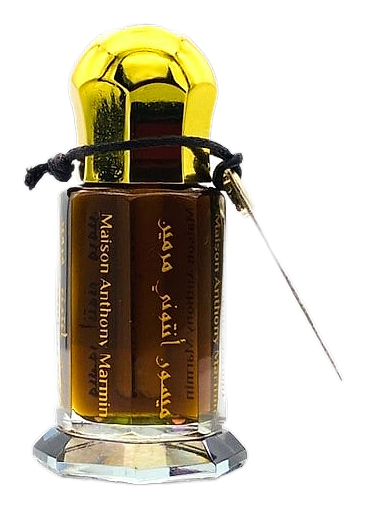
Fragrances featuring Cambodian Oud
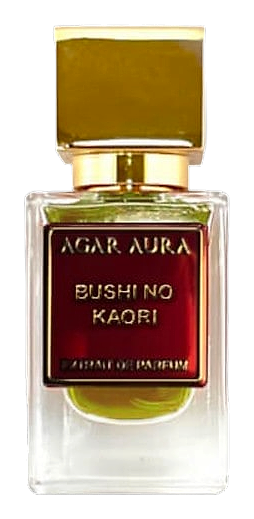
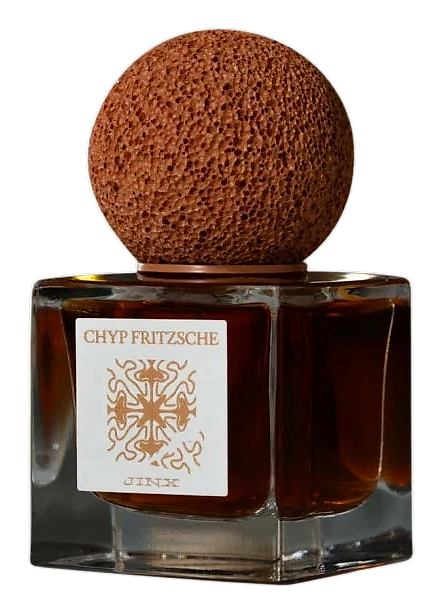
Brands
Brands known for Cambodian Oud
Good to know
Questions, answered
The essentials on Cambodian Oud in perfumery: how it smells, where it comes from, and how it behaves on skin.
What does Cambodian Oud smell like?
Cambodian Oud presents a warm, leathery aroma with subtle sweetness and gentle spice. Compared to Indian or Laotian ouds, it tends to be smoother and less barnyard-like, making it a favored choice for refined compositions.
Why is Cambodian Oud so expensive?
Cambodian Oud commands premium prices because wild Aquilaria trees produce resin slowly, and a single kilogram of distilled oil can require several tons of infected heartwood. Harvesting is labor-intensive, and viable trees have become increasingly scarce.
How is Cambodian Oud produced?
Cambodian Oud is produced through steam distillation of resinous heartwood harvested from Aquilaria trees. The wood is chipped and distilled over 10 to 20 days, yielding a viscous oil that captures the deep, complex character of the resin.
Is Cambodian Oud sustainable?
Wild Cambodian oud faces sustainability challenges due to historical overharvesting and habitat loss. Many producers now cultivate Aquilaria on plantations and inoculate trees to stimulate resin formation, reducing pressure on wild forests.
What is the difference between Cambodian and Indian Oud?
Cambodian Oud generally offers a warmer, sweeter, and more refined profile. Indian oud tends to be denser, more animalic, and earthier. Both derive from Aquilaria species, but terroir and fungal strains shape distinct scent signatures.
When did Cambodian Oud enter perfumery?
Cambodian Oud entered perfumery by the 2nd century CE, when Khmer and regional traders valued it as incense and aromatic material. It spread along trade routes to the Middle East, where it became prized in luxury fragrance traditions.
Can Cambodian Oud be used daily?
Yes, Cambodian Oud works well for daily wear, particularly in attar or extrait formats where small amounts provide long-lasting warmth. Its refined sweetness pairs comfortably with skin without overwhelming the wearer in most concentrations.
Are there synthetic versions of Cambodian Oud?
Synthetic oud accords exist and aim to replicate the warm, leathery character of Cambodian material. While modern chemistry captures certain facets, most perfumers agree that natural Cambodian oud retains greater depth and longevity.