
The Story
Why it exists.
The beginning
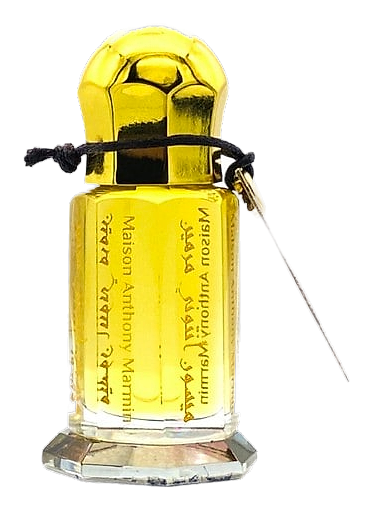
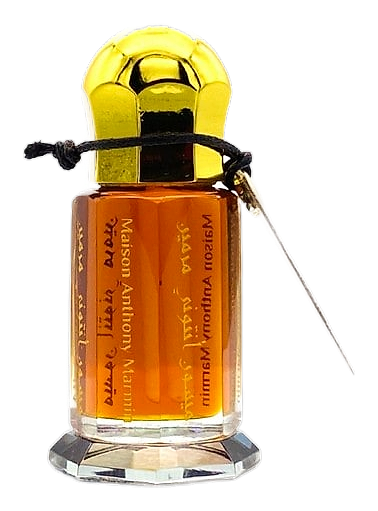
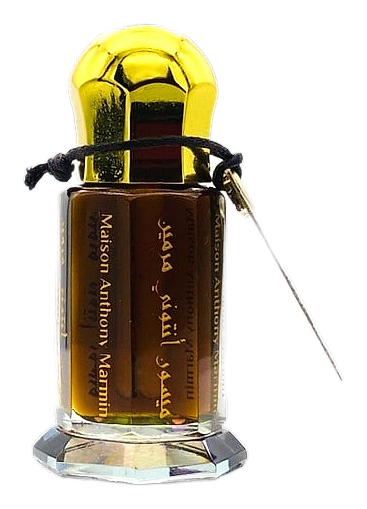
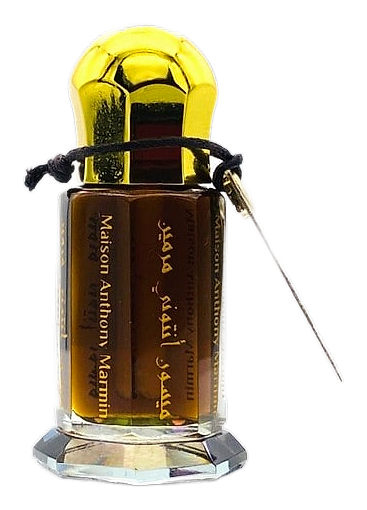
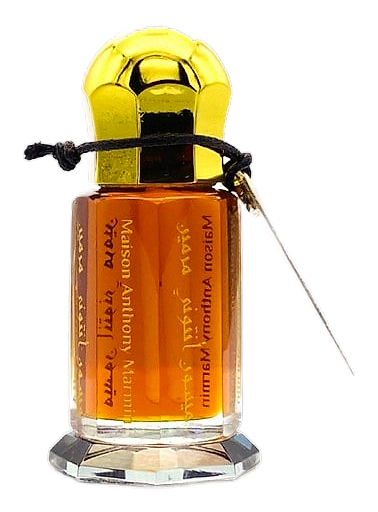
Oud Al Amir arrived in 2014 as one of the early statements from Anthony Abdul Karim Marmin's Dubai workshop. The name itself, "Oud of the Prince," suggests royalty without spelling it out. Marmin wasn't chasing safe territory. He was making something that smelled the way Gulf nights feel: thick, sweet, and slightly overheated. Cambodian oud anchors the base, a material known more for its fruity, almost jammy profile than for the barnyard intensity of other agarwoods. Around it, Marmin built a confection that feels indulgent from the first spray. The opening hits with a dense sweetness, where caramelized sugar and soft amber seem to fold into one another, creating a syrupy warmth that sits close to the skin before blooming outward.
What makes the composition work, or what makes it divisive, is the deliberate collision between raw and refined. Cambodian oud carries its own built-in sweetness, a fruit-forward quality that pairs almost too well with caramel, honey, and dried fruit. Marmin leaned into that natural affinity instead of fighting it. The smoked wood doesn't ground the sweetness so much as char it slightly, giving the whole structure the feeling of something that spent too long over an open flame. There's a tension between luxury and indulgence here, between the seriousness of oud as a cultural material and the almost childish pleasure of burnt sugar. That friction is the composition.
The evolution
The opening announces itself without ceremony. Caramel and woody notes hit together, sticky and dry at once, like the first minute of something that knows it's not subtle. Within fifteen minutes the honey arrives, and it doesn't trickle in. It floods. The dried fruits surface alongside it, pulling the composition toward a dense, almost preserve-like sweetness that sits heavy on skin. For the first two hours, this is a loud fragrance, one that announces itself in elevators and across dinner tables. The Cambodian oud underneath reads more fruity than fecal, which is the kind of oud choice that either reassures or disappoints depending on what you came for. By hour three or four, the smoke takes over. The sweetness doesn't disappear. It gets darker, charred at the edges, and the oud finally steps forward with more authority. What remains after eight hours is a low hum of burnt honey against warm wood. It clings to fabric the next day, softer, quieter, more like the memory of the fragrance than the thing itself.
Cultural impact
Oud Al Amir occupies an interesting middle ground in the crowded landscape of modern Arabian perfumery. The sweetness level alienates purists who prefer their oud dry and challenging. But for wearers who want their fragrance to feel indulgent, almost edible, it earns its fans. On skin, the opening floods the senses with a dense wave of sugary warmth, the kind of sweetness that reads as confectionary rather than synthetic. The Cambodian oud at the base never goes sharp or barnyard. Instead, it stays jammy and rich, blending into the amber and sweet resin notes until the whole composition feels like a single, unified material.