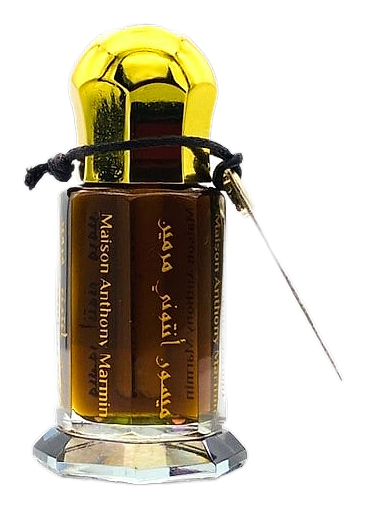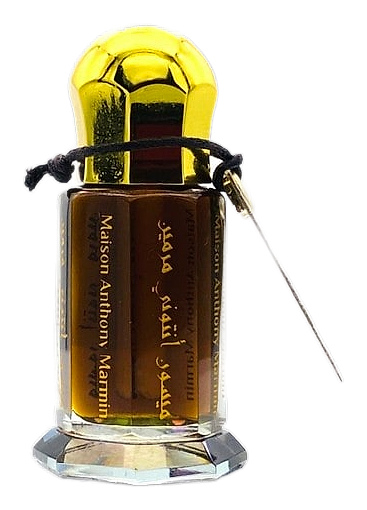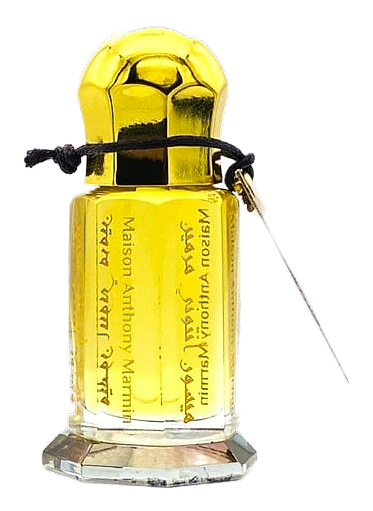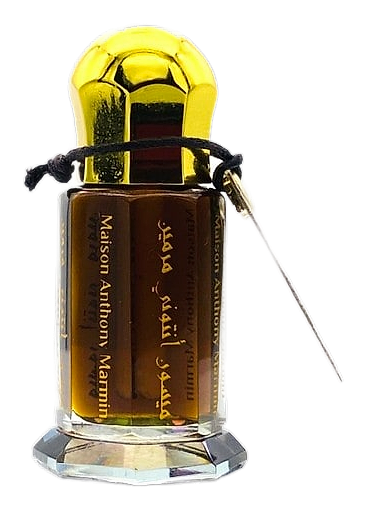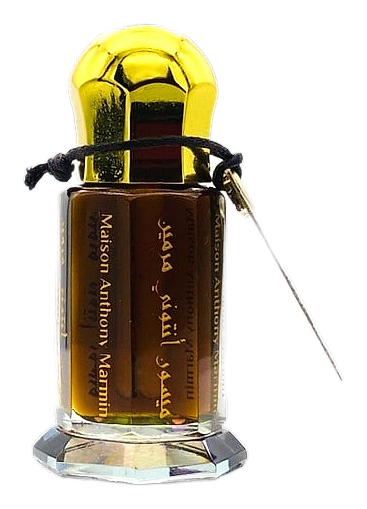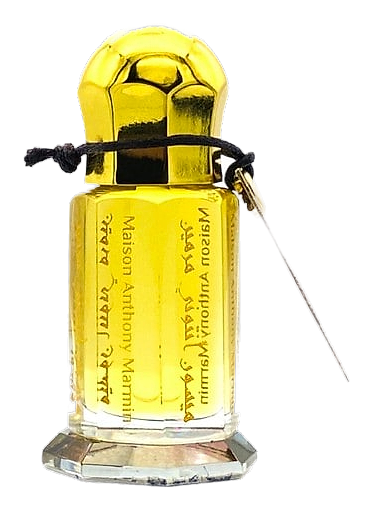

The Story
Why it exists.
The beginning
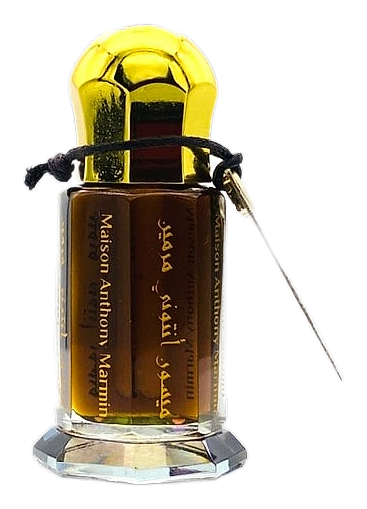
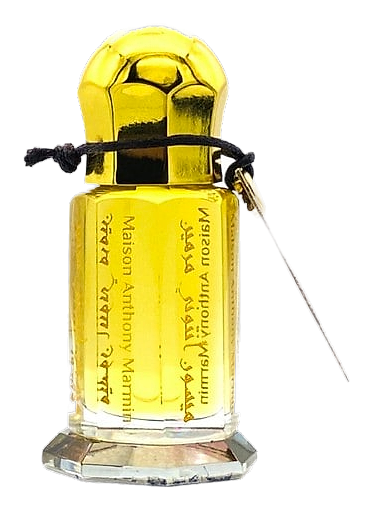
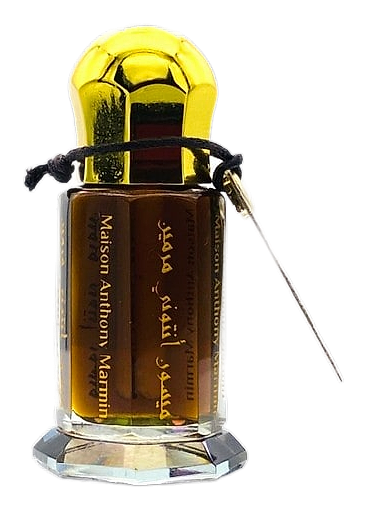
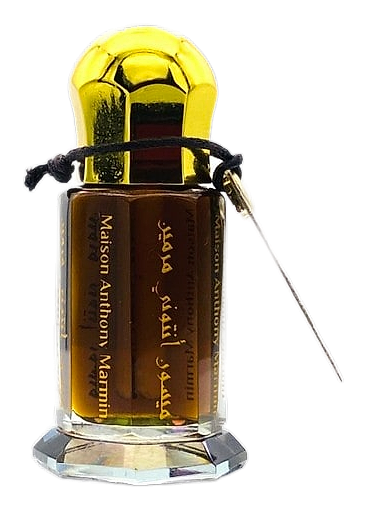
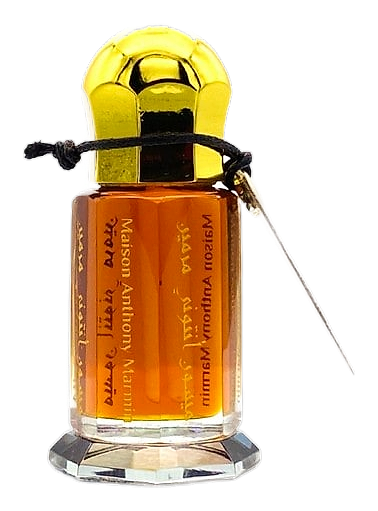
Hind takes its name from the Arabic word for India, but don't expect Indian oud here. The brand looked west instead, referencing the subcontinent's centuries-old tradition of rose and sandalwood attars. Anthony Abdul Karim Marmin wanted to capture that pairing at its most elemental: not as a nod or an interpretation, but as a commitment to two materials that have anchored Eastern perfumery for generations. The 2016 launch arrived as part of the house's broader exploration of oriental warmth, positioning Hind as a bridge between Arabian incense heritage and the powdered elegance of traditional attars.
What makes Hind unusual is its frankness with materials. Taif rose, the hard, green, slightly spicy variety from the Saudi highlands, doesn't appear in Western fragrances often. It's harder to control than Bulgarian or Turkish rose, more raw, more characterful. Pairing it with the powdered sandalwood of Arabian incense tradition (zukoh) rather than the smoother Mysore or Australian variants shifts the composition entirely. Where most rose-sandalwood pairings stay quiet and skin-centered, Hind projects. The black licorice in the heart is the gambit, medicinal and dark, it could tip into harshness, but here it threads the rose and amber together into something that feels cohesive rather than scattered.
The evolution
The opening announces itself without apology. Taif rose hits sharp and green, backed by warm spice and a sweetness that borders on candied, almost a queasy creaminess, like full-fat milk left too long in the fruit bowl. For thirty minutes the composition seems unsteady, swinging between floral brightness and something almost fermented. Then the licorice and amber arrive. The licorice doesn't shout; it deepens, turning the sweetness from candied to dark, like black strap licorice candy left in a warm drawer. The amber follows, resinous and honeyed, wrapping the rose in something cushioned. By hour two the rose has softened, still present but no longer leading. The sandalwood base takes its time, this is the long game. As the hours pass, the sandalwood becomes everything. Not the smooth, lactonic sandalwood of mainstream Western fragrances but the powdered, slightly smoky variant used in Arabian incense. It lingers. Most wearers report ten hours easily, with the drydown staying close to the skin but refusing to disappear.
Cultural impact
Hind arrived in 2016 as part of the early wave of premium Arabian fragrances reaching Western audiences. Unlike oud-heavy compositions that dominated the oriental niche at the time, it staked its identity on rose and sandalwood, the attar pairing that has defined Indian perfumery for centuries, reinterpreted through an Arabian house. The 2016 launch positioned it for wearers who wanted oriental warmth without the aggressive animalic depth of darker oud compositions. It found its audience among those exploring beyond the Western fragrance canon, people drawn to the idea of scent as cultural translation rather than brand statement.