The Story
Why it exists.
The beginning
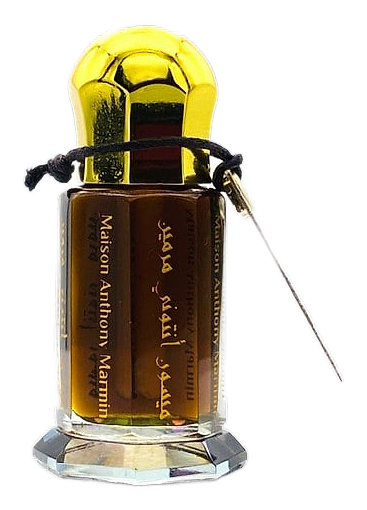
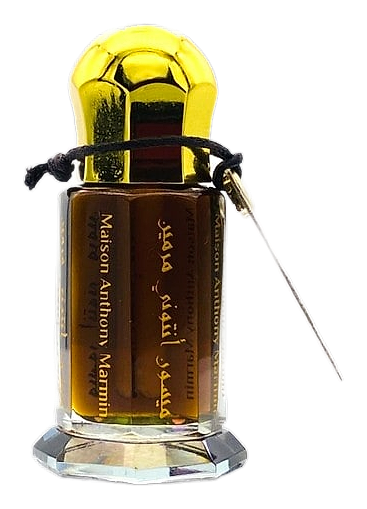
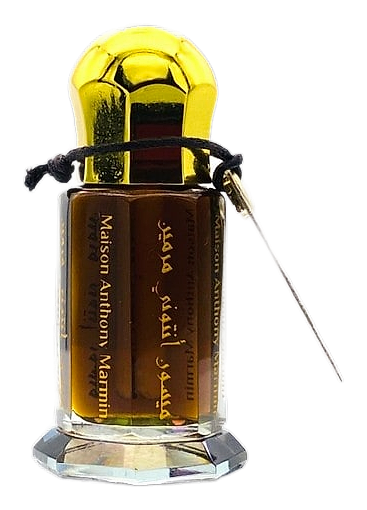
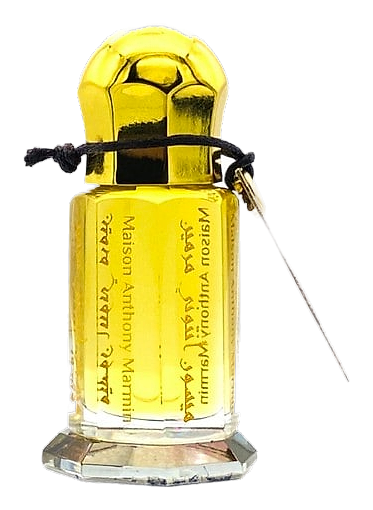
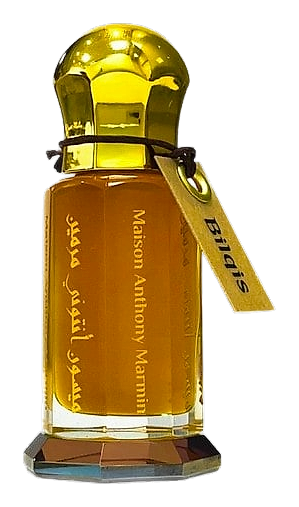
Bilqis takes its name from the Queen of Sheba, Malikat Saba, a ruler of the ancient South Arabian kingdoms present-day Yemen remembers well. Her legend, threaded through the Quran and centuries of oral tradition, speaks of a sovereign who possessed a magnificent throne and commanded a caravan rich with gold, myrrh, and frankincense. She crossed deserts to meet King Sulaiman, and her story became shorthand for Arabian glamour, feminine power, and a kind of regal romance. Anthony Abdul Karim Marmin, the self-taught perfumer behind Maison Anthony Marmin, composed Bilqis as a tribute to that figure. Not a literal re-creation of temple smoke or ancient resin, but a portrait of how that legend feels translated into modern scent. The fragrance was born in the same Dubai workshop where Arabian raw materials meet French compositional rigour, the space that has defined the house since 2013.
What makes the structure interesting is what Marmin leaves out. Bilqis skips the usual Arabian fragrance scaffolding: no towering oud, no aggressive rose, no sharp leather. Instead, the perfumer builds the entire composition around the quiet architecture of honey, saffron, bakhoor, and white musk. Honey carries the sweetness, but it never tips into the candy register. Saffron adds a dry, almost leathery bite. Bakhoor gives the fragrance its antique, resinous heartbeat, the smell of woodsmoke and old wood. White musk and amber anchor everything in a powdered, skin-like warmth. It is a four-note architecture doing the work of ten, and the discipline is the point.
The evolution
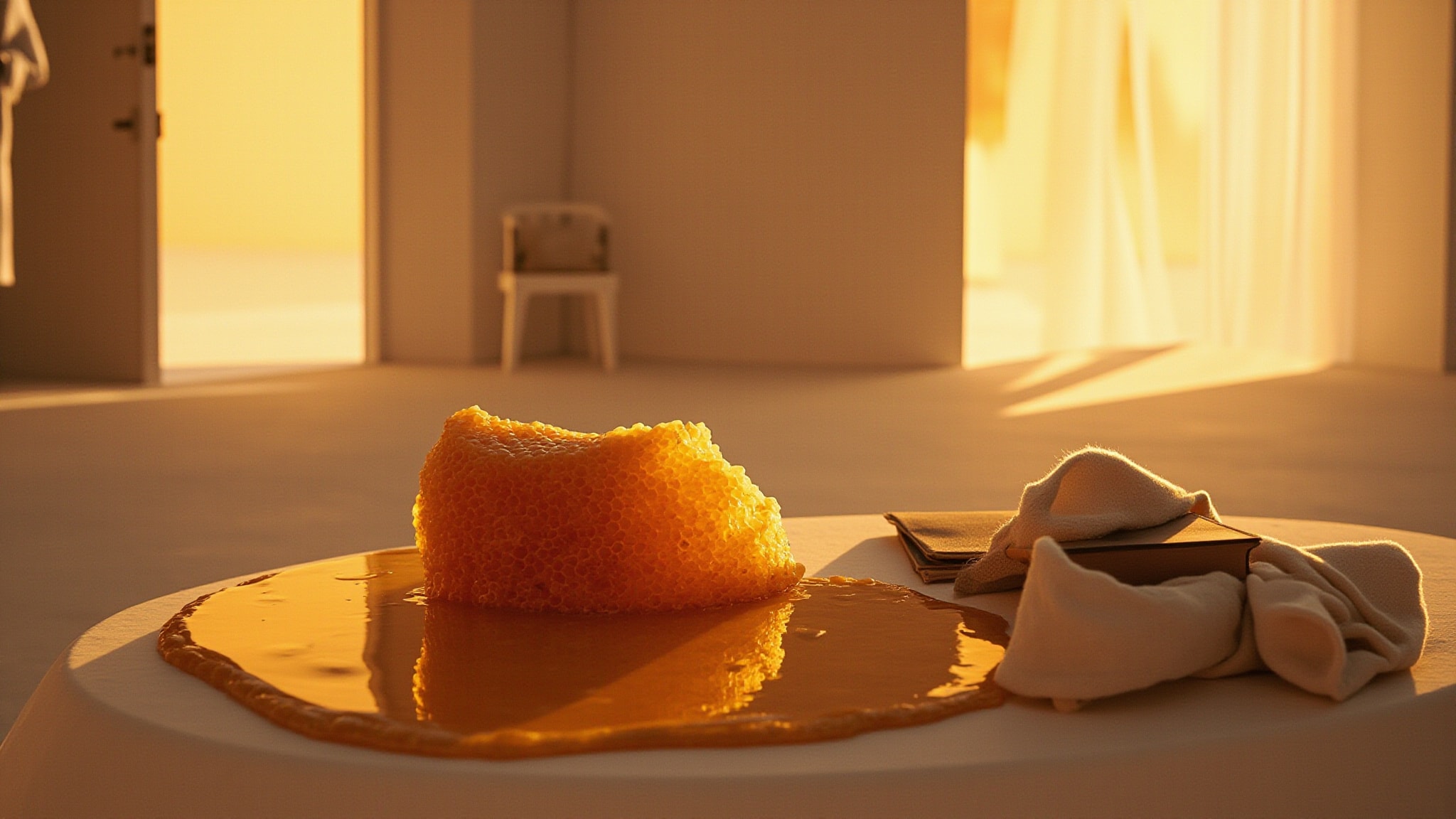
The first 15 minutes belong to honey and bergamot, a sticky sweetness cut by a flash of citrus. The honey here isn't thin or runny. It's the thick, amber kind, the sort that catches light. Around the 30-minute mark, the saffron stirs awake. It arrives dusty and almost mineral, pulling the sweetness into a more regal register, while bakhoor starts threading underneath, a soft curtain of smoke that wasn't there at the start. By hour two, the composition has settled into its true centre: powdered incense, warm amber, and the animalic hush of white musk. The honey never fully disappears, but it stops being the headline and becomes a texture, the kind of warmth you stop noticing as a note and start registering as skin. The drydown, around hour five or six, is where Bakhoor's resinous soul takes over completely. Musk softens everything into a clean, soapy warmth. On fabric, particularly wool, Bilqis lingers for days, fading from perfume into memory.
Cultural impact
Bilqis wears as the kind of fragrance someone reaches for when they want presence without volume, the scent of a room rather than a speaker. It occupies the same quiet-luxury space that Arabian perfumery has been drifting toward over the last decade: compositions that honour oud and bakhoor traditions but do so through understatement rather than spectacle. Among wearers, it tends to attract people drawn to honey-forward profiles but wary of the cloying sweetness those can deliver, anyone who wants honey's warmth without its weight. Bilqis threads that needle neatly, anchored by a powdered amber-musks base that keeps the golden top notes honest. It speaks the language of Arabian heritage fluently without performing it for the room.
The House
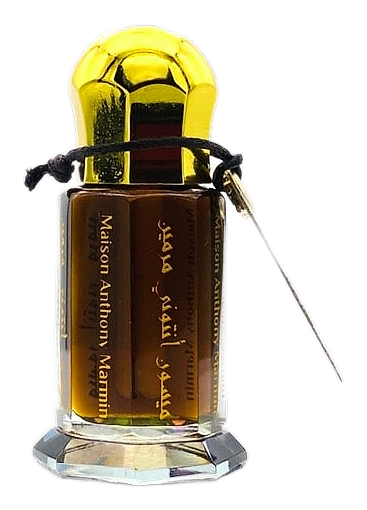
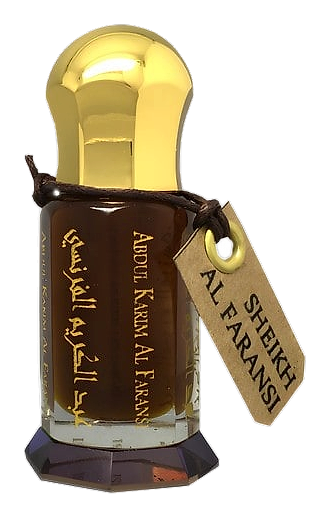
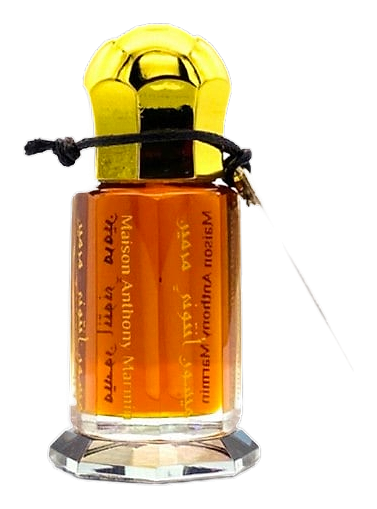
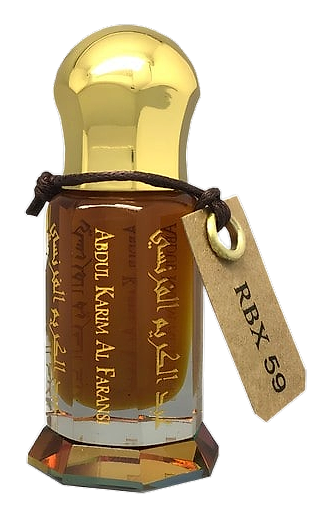
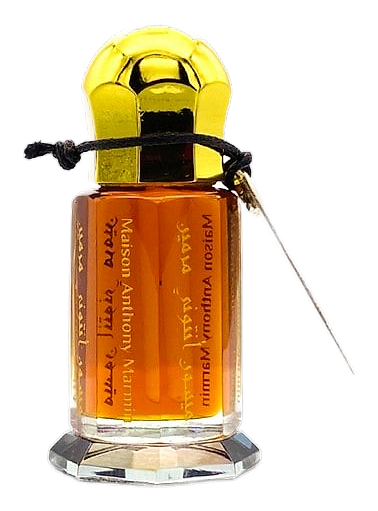
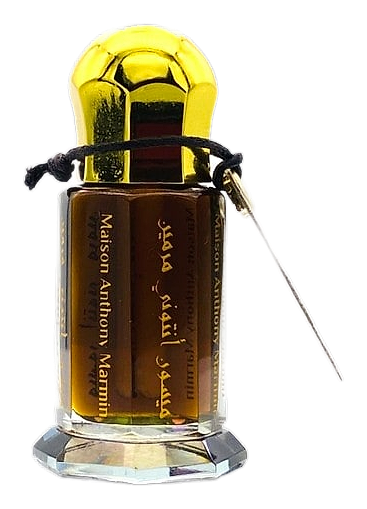
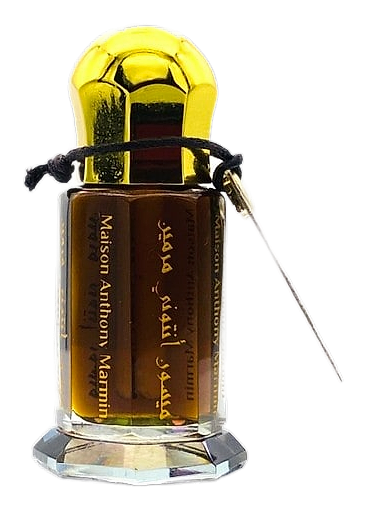
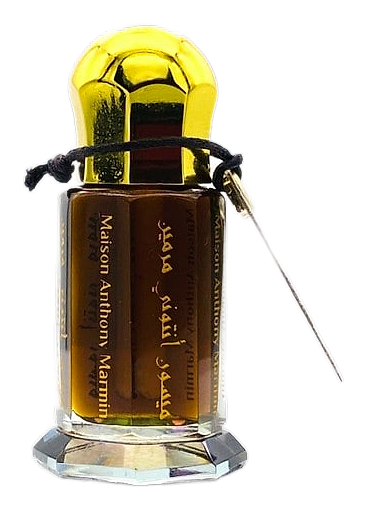
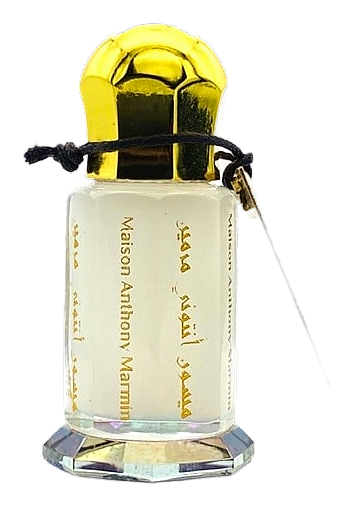
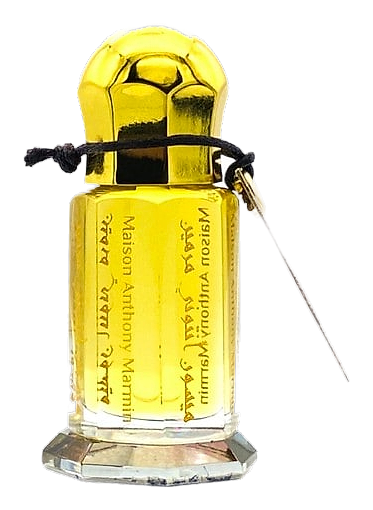
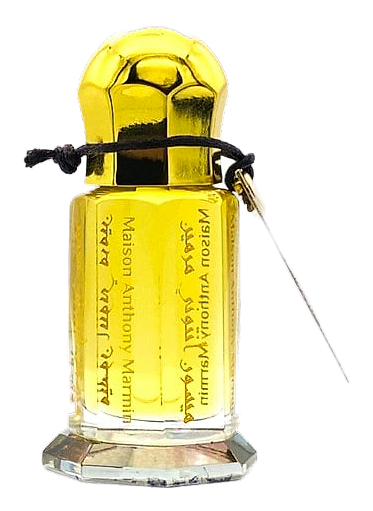
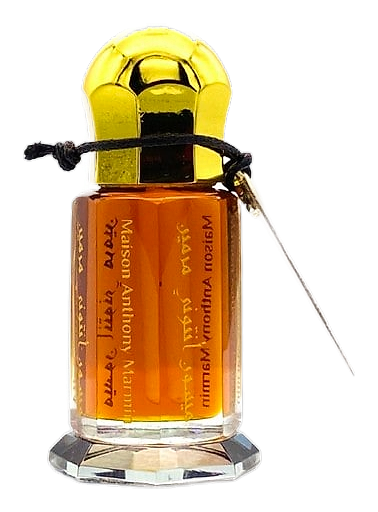
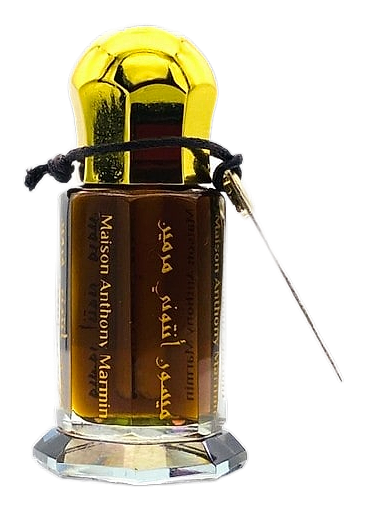
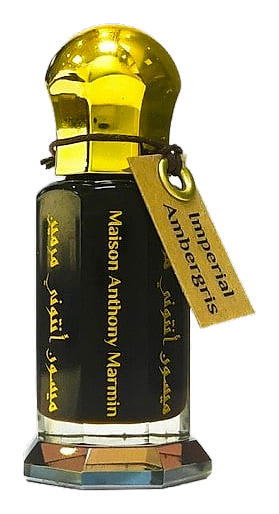
Maison Anthony MarminMaison Anthony Marmin is an independent perfume house based in Dubai. The studio creates pure perfume oils, extrait de parfum and incense that marry Arabian raw materials with French compositional techniques. Signature offerings include Musk Di Palermo, Oud Cuiré, Imperial Ambergris and the 2021 release Baghdad 2. Each composition arrives in a minimalist amber bottle that highlights the liquid’s colour and texture, while the brand’s incense line brings traditional Arabian aromatics into contemporary spaces.
The Creator
Anthony Abdul Karim MarminMarmin’s signature technique centers on the art of mukhallat, where he layers multiple pure oils to achieve depth without relying on synthetic shortcuts. He favors ingredients that age gracefully—raw musk, amber, sandalwood, and rare oud woods—allowing the fragrance to evolve…