
The Story
Why it exists.
The beginning
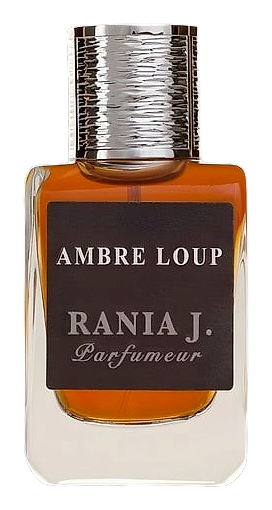
Ambre Loup means Amber Wolf, the name alone tells you what Rania Jouaneh was building toward. Warmth with an edge. Comfort with teeth. The wolf isn't decoration; it's the tension at the heart of the fragrance. Jouaneh grew up between Jordan and Morocco, surrounded by spice markets and aromatic traditions her grandfather introduced her to as a child. That cross-cultural grounding shaped how she thinks about amber, not as a soft, fuzzy note, but as something that can be layered, deepened, made more interesting. Ambre Loup is where that thinking became concrete.
The heart of Ambre Loup is the amber accord, a beating, enveloping vibration that the brand describes as warm and addictive. But the construction matters more than the concept. Labdanum absolute brings ancient resinous depth, the kind of material that's been used in perfumery for millennia. Vanilla absolute adds sweetness, but the right kind, rich, not sugary. Peru balsam ties it together with a balsamic warmth that reads as resinous rather than sweet. The base layers guaiac wood, oud, and cedarwood into something that doesn't just last but evolves. This isn't a straightforward oriental. It's a layered architecture of warmth.
The evolution
Ambre Loup opens with spices and clove, sharp, almost medicinal. The warmth arrives within minutes, but it's the labdanum that takes over around the 15-minute mark, dark and resinous and impossible to ignore. The vanilla and Peru balsam build in the heart, creating a sweet-warm core that feels enveloping rather than heavy. Then the base notes assert themselves: guaiac wood lending a smoky, almost tarry quality, oud bringing its characteristic dark woodiness, cedarwood grounding everything. By hour three, the fragrance has settled into something quieter but deeper, woodsmoke, resin, a ghost of vanilla that stays close to the skin. On fabric, it can last until the next morning. On some skin, it genuinely doesn't leave. The drydown is where this fragrance earns its name. Warm, feral, impossible to shake.
Cultural impact
Ambre Loup holds a strong position in the warm oriental category, the kind of fragrance that earns its reputation through performance rather than marketing. High longevity and sillage scores (8.4 and 7.5 respectively) indicate something people return to, something that functions as a signature rather than a seasonal impulse buy. It's the kind of fragrance that builds loyalty, not through hype, but through the simple fact that it works, lasts, and rewards the attention of people who know what they want.
The House
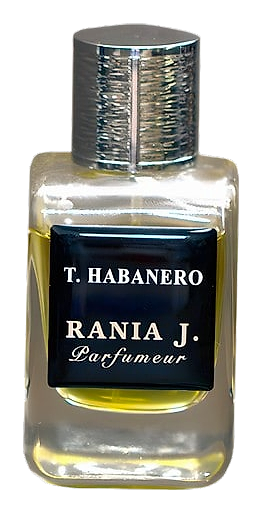
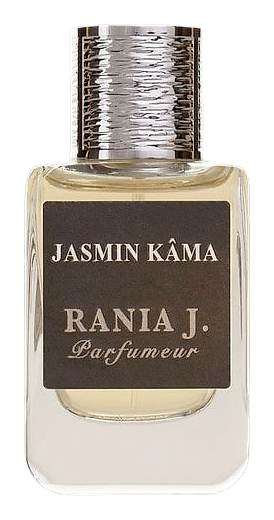
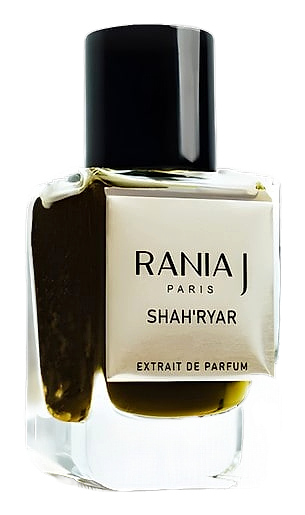
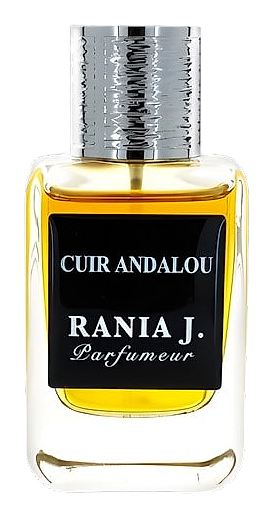
Rania JRania J is a Paris-based independent fragrance house founded in 2012 by Jordanian-born perfumer Rania Jouaneh. The brand occupies a distinctive space in niche perfumery, blending Middle Eastern olfactory traditions with French technical training. Jouaneh began creating perfumes after formal education in France, establishing the house as her primary creative vehicle. The collection spans diverse territories: warm orientals like Ambre Loup (2012), powdery musks such as Musc Moschus (2019), and Arabic-style constructions including Shah'ryar (2023). Others reference leathery Cuir Andalou (2016), spicy T. Habanero (2014), and jasmine-centric Jasmin Kama (2013). The brand operates without an in-house perfumer, with Jouaneh handling all composition herself. Rania J appeals to collectors seeking authentic, memory-driven scents rooted in personal heritage rather than market trends.
The Creator
Rania JouanehJouaneh draws from a rich palette of precious florals, warm musks, and aromatic spices, combining them with clear, architectural precision. Her style favors layering and depth, with a particular affinity for oriental notes and white florals anchored by French classical structure.