Rania Jouaneh
Rania Jouaneh did not set out to become a perfumer in the conventional sense. She grew up in Jordan, surrounded by the cargo holds of her spice merchant grandfather and the jasmine trees that lined her family's home. Morocco added another layer to her sensory education. But it was in France, studying chemistry and perfumery, that these childhood memories crystallized into something more structured, more intentional. The move from merchant's granddaughter to Paris-based nose represents something rarer than a career pivot. It is a reclamation of heritage through a distinctly European lens. In 2014, Jouaneh founded RANIA J., a niche fragrance house that operates from the Faubourg Saint-Honoré neighborhood, building on traditional French techniques to elevate the raw materials of her Levantine childhood.
The hits
Notable creations
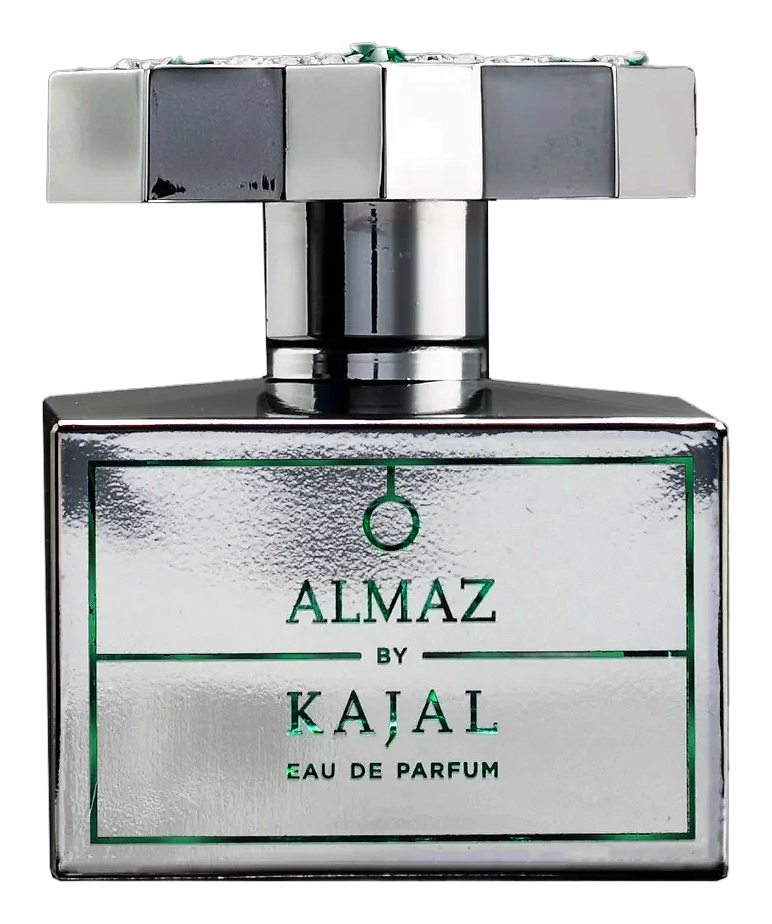



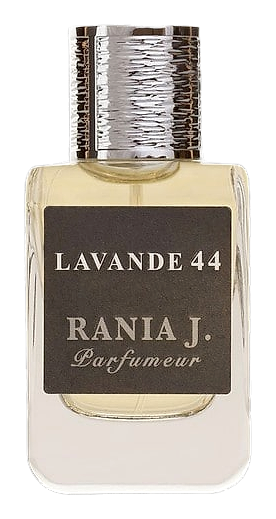


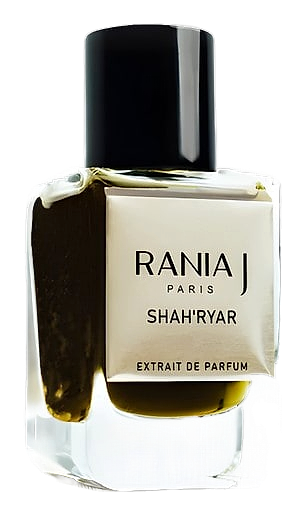
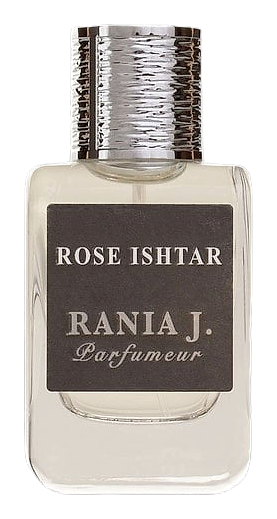



The signature
How Rania composes
Jouaneh draws from a rich palette of precious florals, warm musks, and aromatic spices, combining them with clear, architectural precision. Her style favors layering and depth, with a particular affinity for oriental notes and white florals anchored by French classical structure. She gravitates toward high-quality natural materials and treats each ingredient as a character in a larger story. The Middle Eastern origins of her sensibility show through in her use of saffron, oud, and jasmine, interpreted through a distinctly Parisian discipline.
Philosophy
What drives Rania
Jouaneh approaches fragrance as a translator between worlds. Her creative philosophy centers on honoring the sensory vocabulary of her upbringing, translating spice-laden souks and night-blooming jasmine into the formal grammar of French perfumery. She does not treat oriental and western influences as opposites requiring reconciliation. Instead, she moves fluidly between them, allowing each composition to take its shape from the materials rather than from any predetermined aesthetic. For Jouaneh, perfumery remains fundamentally personal. Each fragrance begins as a memory, a specific place or moment from her travels and childhood, before becoming something others can wear. This biographical approach grounds her work in narrative without sacrificing craft.