The Story
Why it exists.
The beginning
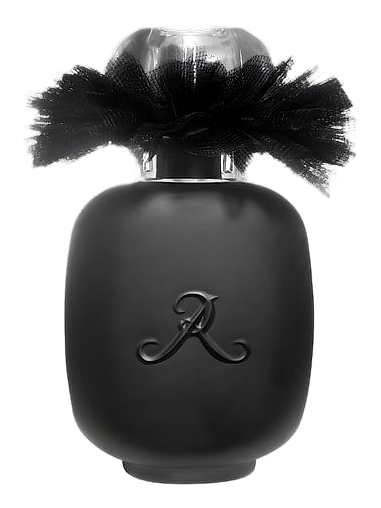
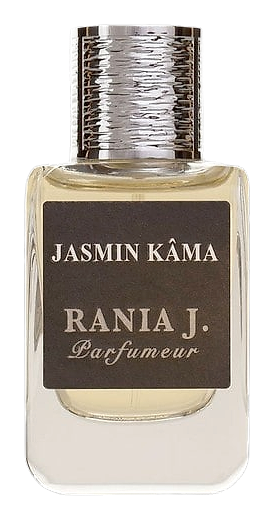
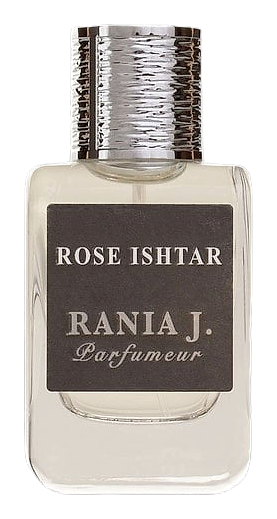
Rania Jouaneh grew up between Jordan and Morocco, surrounded by the aromatic traditions of the Middle East, spice markets, jasmine gardens, and the deep cultural memory of rose. Rose Ishtar emerged in 2012 as her vision of rose reimagined for modern times. Not the fragile, retiring rose of some fragrances. This one was built to be bold. The duality Jouaneh speaks of, the fruit and the power, the sweetness and the depth, lives in that tension between the juicy opening and the confident heart that follows.
The blackcurrant and bergamot aren't just top notes here, they're an amplification system for the rose. Bulgarian Damask rose carries natural fruity facets that these two materials reveal and extend. Patchouli does what patchouli does best: grounds the sweetness in something earthy, keeps it from floating away. Then heliotrope and vanilla arrive in the drydown to soften everything into something warm and powdery, the kind of warmth that stays close to the skin rather than announcing itself across a room.
The evolution
The first spray hits bright and tart, bergamot and blackcurrant make their entrance together, an immediate citrus-fruit punch that grabs attention. Within minutes, the rose arrives and it doesn't tiptoe. Bulgarian rose, full and confident, takes over the composition. The transition isn't gentle, it's a takeover. By the mid-stage, the fruity quality intensifies as the blackcurrant lingers beneath the rose, creating an almost jammy quality that stays for hours. The drydown is where heliotrope and vanilla do their work: powdery, sweet, warm. Patchouli and sandalwood keep it grounded. Six to eight hours later, what's left is a soft, warm trace of rose and vanilla, close enough to smell only when someone comes in close, which is exactly where this fragrance belongs.
Cultural impact
Rose Ishtar emerged in 2012 as part of Rania J's founding collection, a house rooted in Jordanian heritage but trained in French technique. Its release coincided with a niche fragrance renaissance where Western consumers began seeking alternatives to mainstream designer scents. The fragrance arrived during an era when Middle Eastern perfumery influences were gaining traction in Western markets, and Rose Ishtar sat at that precise intersection. It offered something different: a fruity rose that honored both Bulgarian rose traditions and the warmer, more opulent sensibilities of Arabic perfumery.