The Story
Why it exists.
The beginning
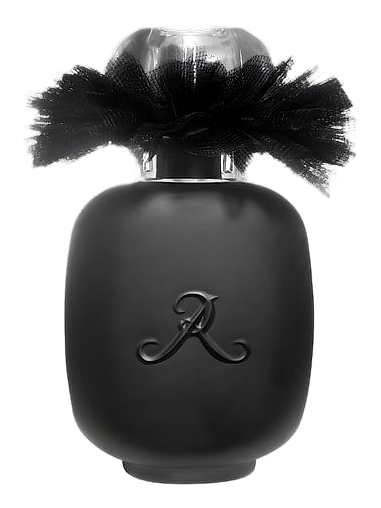
Ballerina No 3 emerged in 2015 from a Marie-Hélène Rogeon concept, executed by Delphine Lebeau-Krowiakj. The idea: a rose that refuses to be delicate. Not a bouquet. Not a daydream. A rose with actual presence, built from the house's rose-centric philosophy but pushed into something with real force. The name suggests movement, precision, and something held just behind the eyes, the ballet reference is deliberate.
The black rose and pepper pairing is the structural choice here, tension without sweetness, spice without apology. Violet leaf enters to keep the rose from becoming syrupy, adding a green, almost medicinal clarity that sharpens the composition. Then the precious woods arrive in the drydown, and that's when the intent becomes clear: this isn't a standard rose fragrance. The oud surfaces late, warm and intimate rather than loud or animalic.
The evolution
The opening makes an entrance. Pepper's electricity against fuchsia's sweetness, two notes that shouldn't coexist this easily, yet here they are. The black rose arrives jammy and deep, not the idealized version but something with weight. This isn't a linear fragrance that fades. It deepens. The heart holds as the rose intensifies, violet leaf threading through to keep it grounded. Then the precious woods arrive: sandalwood, cedar, patchouli building a dry base that refuses to dissolve into powder. The oud surfaces last, a late whisper of warmth that lingers close to the skin for hours. Six to eight hours of evolution, moderate sillage throughout, the presence is personal, not announced.
Cultural impact
Ballerina No 3 represents the 2015 moment when niche houses were pushing rose into stranger territory. It captures a shift away from polite florals toward fragrances with actual presence and a distinct point of view. The scent appeals to those who want something beyond a safe floral, a statement fragrance that walks the line between beautiful and challenging.