












Heritage
A house, in its own words
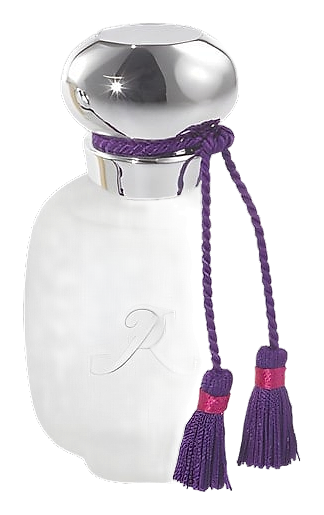
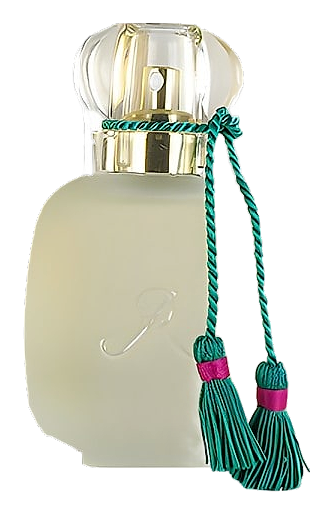
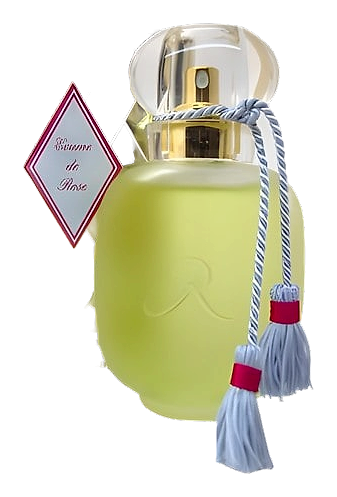
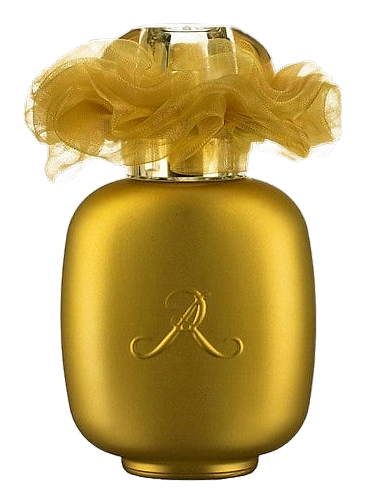
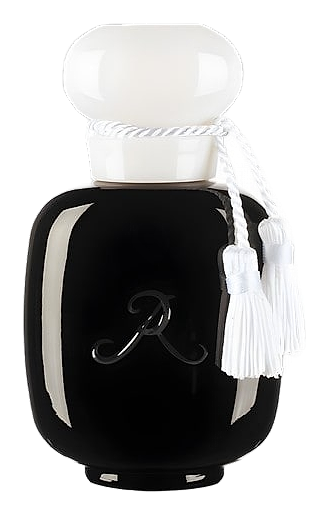
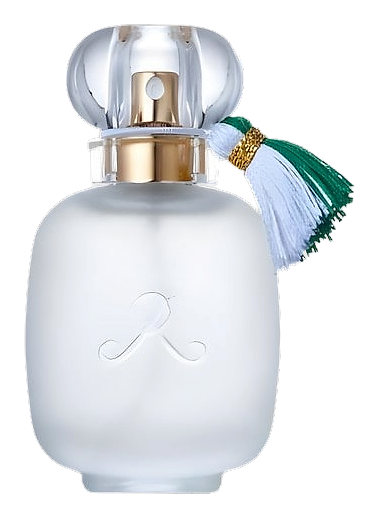
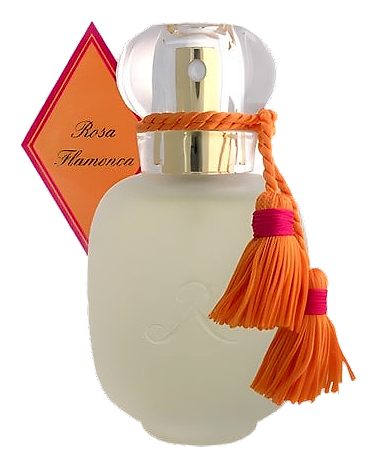
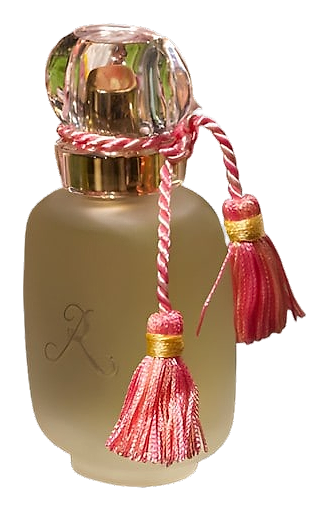
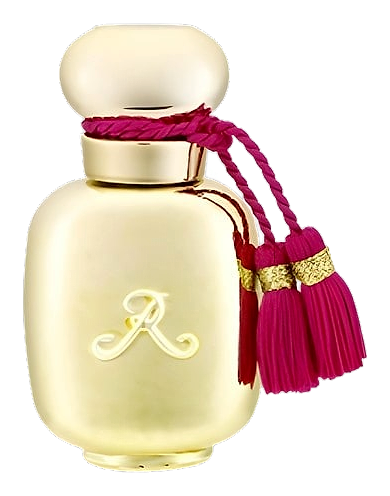
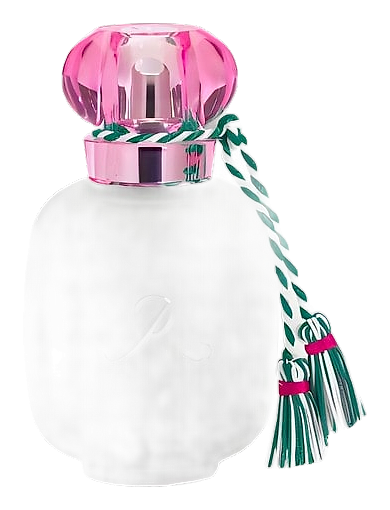
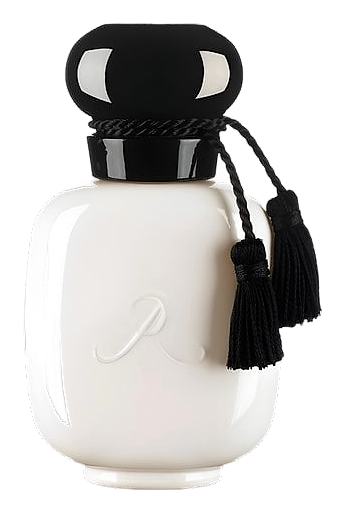
Paul Poiret built his reputation as one of the most influential designers of the early 20th century, reshaping women's fashion by eliminating the corset and introducing simpler silhouettes. In 1911, he extended his design empire into perfumery, launching Parfums de Rosine as one of the first fragrance lines explicitly tied to a fashion house identity. He named the collection after his daughter Rosine, making the house distinctly personal. Sources indicate the initial launch did not achieve commercial success, with some accounts describing the early compositions as poorly executed. However, the venture represented a pioneering moment in designer fragrance history. Chanel No.5, launched in 1921, would eventually succeed where Poiret's attempt faltered. Despite the early struggles, Parfums de Rosine reportedly flourished for eighteen years following its founding. The house eventually ceased production and remained dormant for decades. Marie-Hélène Rogeon, born into a family of perfumers, is credited with reviving the house. Her great-great-grandfather Louis Panafieu reportedly created Eau de Cologne for Emperor Napoleon III, giving the modern house a lineage in royal French perfumery. Under Rogeon's direction, the house relaunched with La Coupe d'Or in 1993, beginning a new chapter that has produced over a dozen fragrances spanning rose interpretations, colognes, and limited editions. The house carries its name like an inheritance, with rose as both literal subject and symbolic core. Marie-Hélène Rogeon approaches perfumery with the conviction that the rose offers infinite variation, each composition revealing a different facet of the flower. The collection explores rose in classical, spicy, powdery, and masculine registers, demonstrating that the flower can be reinvented without losing its essential character. Gender boundaries hold little importance here; Rose d'Homme deliberately challenges assumptions about masculine and feminine fragrance conventions. The philosophy extends to a broader respect for traditional French perfumery, treating each fragrance as an opportunity to work with natural materials and time-honored methods. Rogeon draws on her family's perfumery heritage to inform the house's direction, treating fragrance as both craft and inheritance. The aesthetic rejects overstatement in favor of considered elegance, allowing each scent to speak through its own qualities rather than marketing claims.