The Story
Why it exists.
The beginning
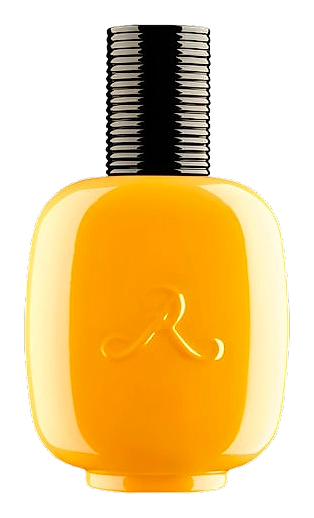
Delphine Lebeau-Krowiakj designed Vanille Paradoxe in 2019 around a single idea: what if vanilla refused to be predictable? The name is the concept, a fragrance that promises something sweet, then opens with rosemary, juniper, and grapefruit instead. The paradox isn't accidental. It's the point. The composition asks whether a vanilla fragrance can also be fresh, herbal, and alive.
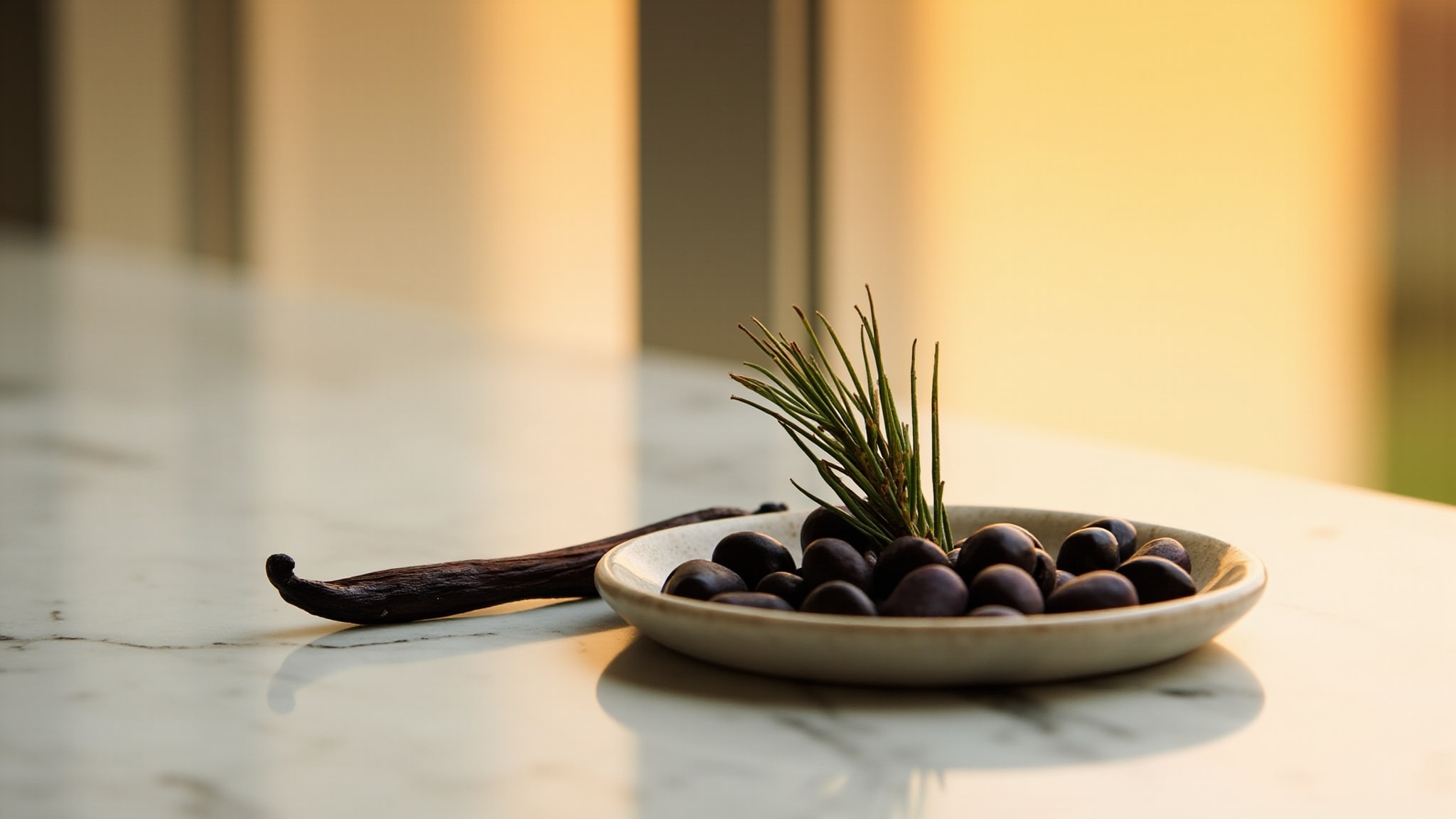
The structure breaks convention. Most vanilla fragrances announce themselves early, wrapping the wearer in warmth from the first spray. This one delays. The herbal-citrus opening lasts long enough to make you question what you've bought, then the vanilla arrives, not as a surprise but as a resolution. It's the scent equivalent of a held breath. Bourbon roses from Reunion Island, used traditionally to hedge vanilla fields, appear in the aromatic register, bridging the cool opening and the warm base.
The evolution
The first ten minutes are all clarity. Juniper and rosemary hit sharp, almost medicinal. Grapefruit adds a citrus brightness that keeps the herbs from feeling too masculine. Around the thirty-minute mark, the heart begins to show, cardamom and angelica softening the edges, cedar anchoring the composition. Rose arrives quietly, not floral in a traditional sense but present, rounding the structure. The vanilla finally announces itself after an hour, warm but restrained, never edible or gourmand. It doesn't project. It settles. Six to eight hours later, the drydown reads as powdery and musky, ambroxan adding a clean mineral finish that lingers close to the skin. On clothing, it holds for days.
Cultural impact
Vanille Paradoxe arrives in a niche fragrance landscape where vanilla has become synonymous with warmth, sweetness, and projection. This one refuses that template, cool and aromatic at first, warm and close at the end, asking the wearer to earn the payoff. It's a fragrance for people who find overt sweetness tiresome but don't want to abandon warmth entirely. The house positioning, rooted in rose-centered compositions and gender-fluid fragrance philosophy, informs how this vanilla reads: not as a concession to the mainstream but as a reinvention from within a classical tradition.