The Story
Why it exists.
The beginning
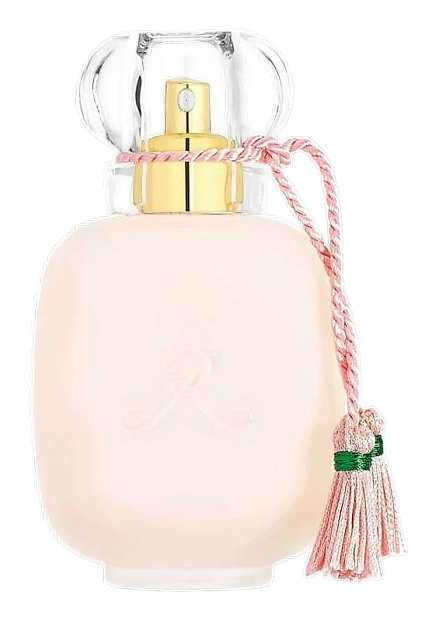
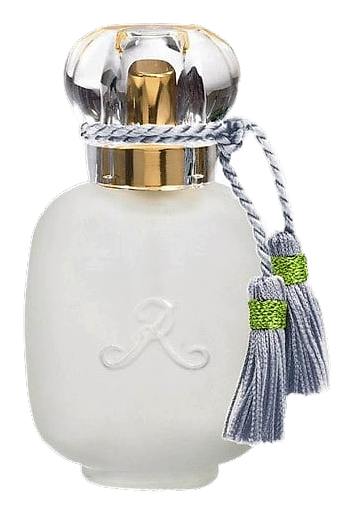
MON AMIE LA ROSE translates to "my friend the rose", and that word choice is the entire brief. In 2019, Marie-Hélène Rogeon conceived this as a rose fragrance for someone who finds conventional rose compositions too insistent, too much. The task: make the flower a companion, not a performance. Delphine Lebeau-Krowiakj answered by building upward rather than in. White tea and bamboo sap lift the composition from the start, creating space above the florals. The peony and Turkish rose arrive gradually, almost shyly, never demanding attention. The result is a fragrance that feels like an afternoon in a garden rather than a rose shop.
What makes this composition distinctive is its refusal to commit to a single register. The top notes, white tea, bamboo sap, Italian bergamot, are cool, almost mineral, creating an opening that reads as transparent rather than sweet. Then the heart arrives: peony and Turkish rose, but the peony is doing quiet work, softening what could be a sharp floral note into something rounder and more diffuse. The clary sage in the heart is an unusual choice, bringing a faint herbal quality that keeps the florals grounded in something green and real rather than purely decorative. It's the detail that prevents the composition from reading as purely feminine in a conventional sense.
The evolution
The opening arrives crisp and clear, white tea and bergamot create a cool, almost watery impression. The handoff isn't dramatic. Bamboo sap and green notes carry the transition, keeping the composition airy. Peony and Turkish rose arrive without fanfare, gradually becoming the most present element. The heart holds for several hours, maintained by lotus and jasmine that keep the florals fresh rather than heavy. Cedar and musk define the drydown, a quiet, woody close that stays intimate. On fabric, the florals linger into the evening while the woody base settles into something close and personal.
Cultural impact
MON AMIE LA ROSE occupies an interesting position within the Les Parfums de Rosine house, not the most famous, not the most challenging, but perhaps the most accessible. It shows a rose-centric house making a composition that doesn't require the wearer to commit to rose as a statement. The white tea accord introduces a cool, almost aqueous quality in the opening, while the floral heart brings peony and Turkish rose together, the peony softening the rose's edges into something rounder and more diffuse. Lotus adds an aquatic coolness underneath.