Hazelnut wood
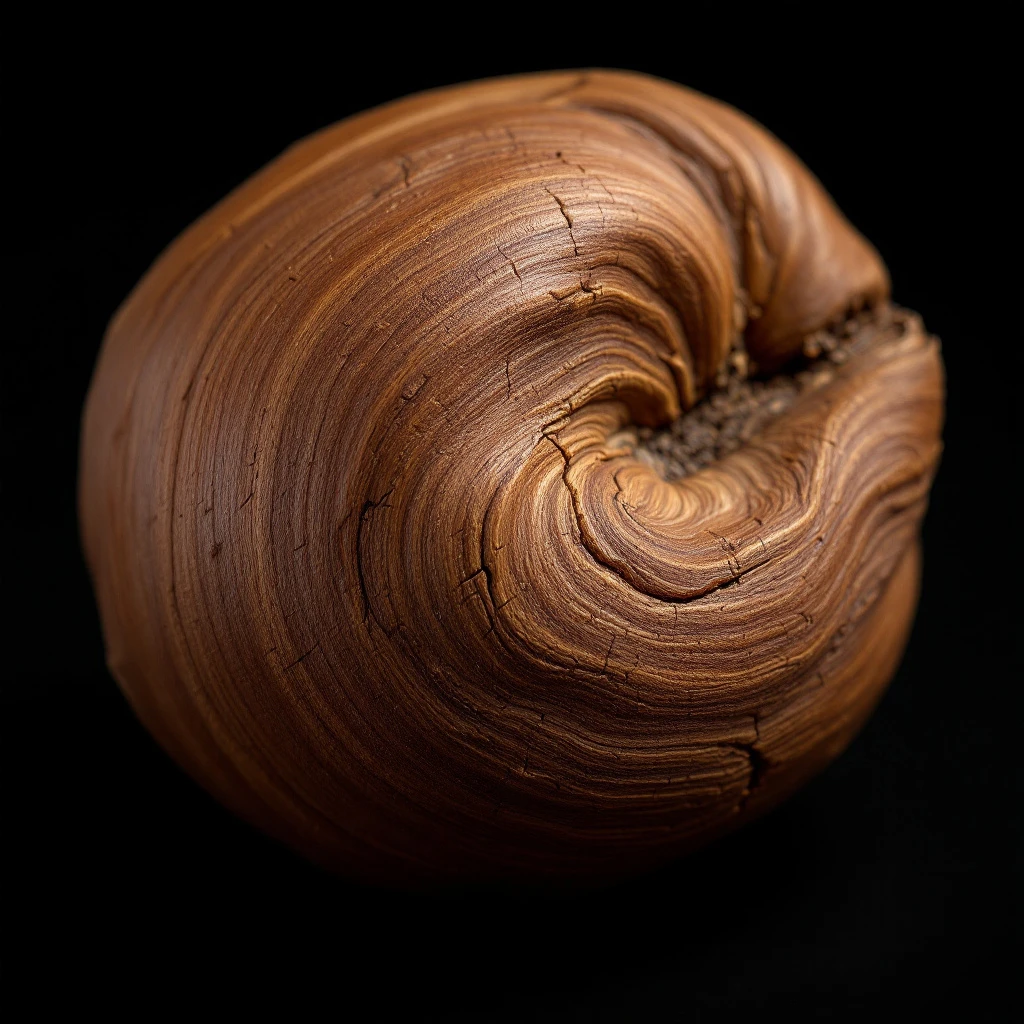
Hazelnut wood brings a warm, toasted depth to fragrances. Its woody character carries subtle nutty sweetness and smoky undertones, evoking autumn forests and roasted nuts crackling by the fire.
Character
How it smells
Warm wood with roasted nut and subtle smoke
Turkey produces roughly 70% of the world's hazelnuts, with the Black Sea coast providing ideal conditions for intensely aromatic nuts.





Origin
Turkey
Hazelnut trees have grown across Europe and Western Asia for thousands of years, with Turkey emerging as the dominant global producer over the past century. While perfumers have long worked with hazelnut absolute and CO2 extracts, hazelnut wood specifically as an aromatic material represents a more recent addition to the perfumer's palette. The ingredient developed as extractors began exploring the woody parts of the hazelnut tree as a source of aromatic material beyond the nut.
Today, Turkey remains the primary source country, with suppliers in the Black Sea region processing hazelnut wood and shells into specialty aromatic extracts for global fragrance houses. This development reflects the broader trend of perfumers seeking distinctive wood-derived materials that offer complexity beyond traditional aromatic woods.
Wears it best
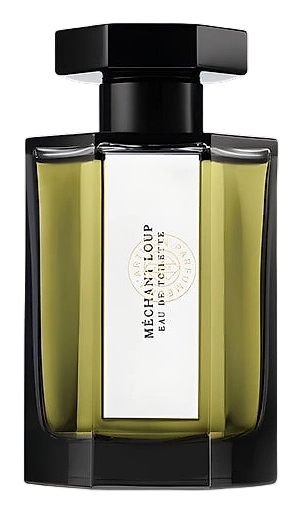
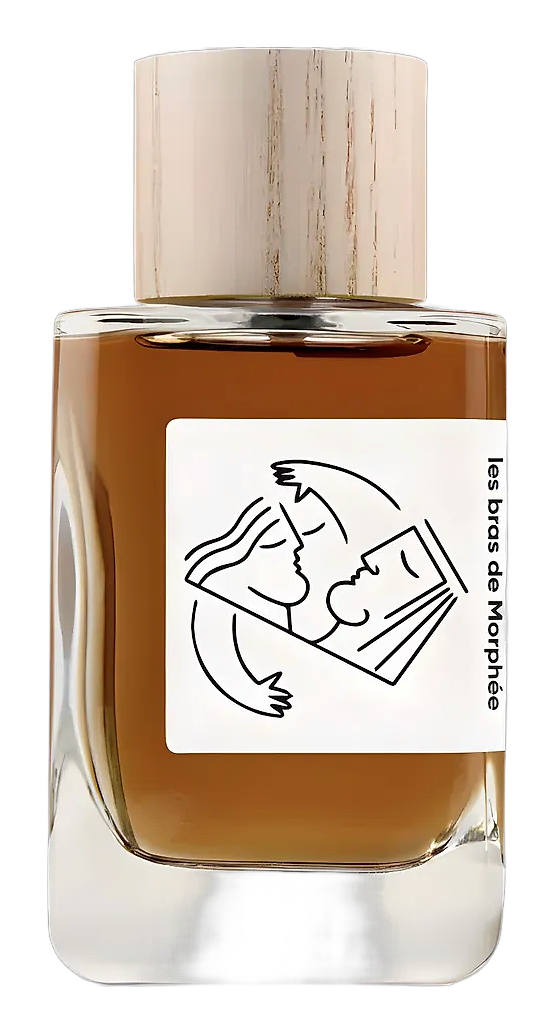
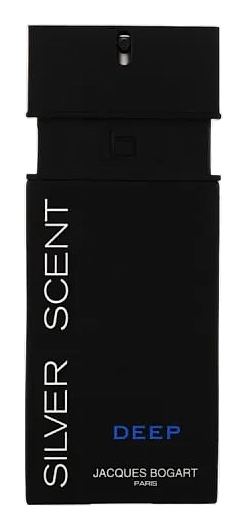
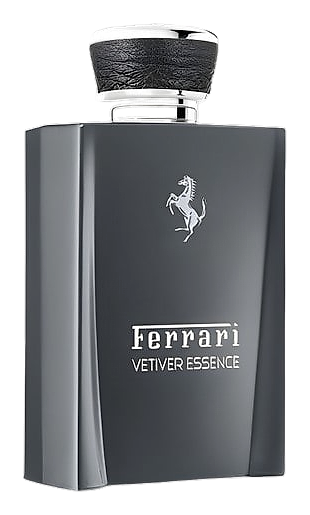
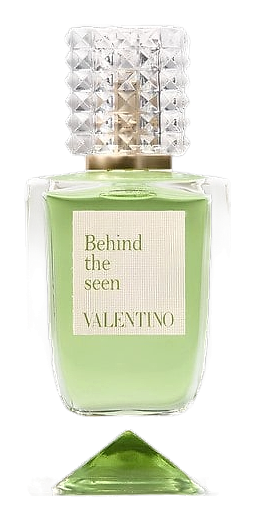
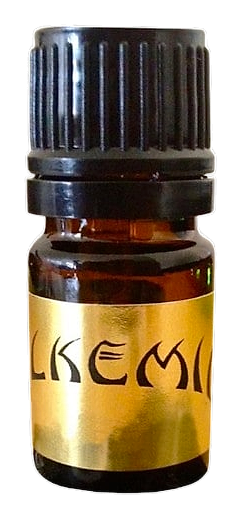
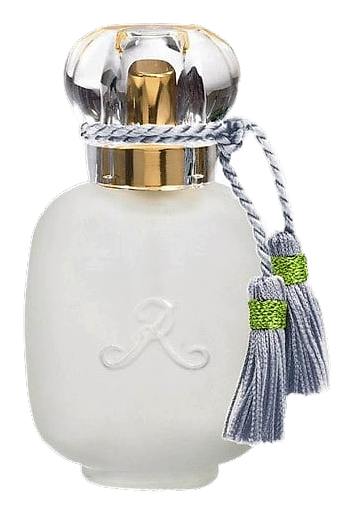
Fragrances featuring Hazelnut wood
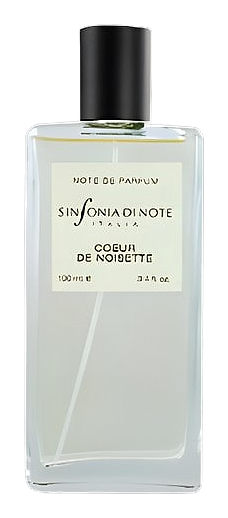
Brands
Brands known for Hazelnut wood
Good to know
Questions, answered
The essentials on Hazelnut wood in perfumery: how it smells, where it comes from, and how it behaves on skin.
What does hazelnut wood smell like in perfume?
Hazelnut wood carries a warm, woody character with toasted nutty sweetness and subtle smoky undertones. It evokes the feeling of roasted hazelnuts and autumn forest floors.
Is hazelnut wood derived from the nut or the tree?
Hazelnut wood absolute comes from the tree's wood and shells, not the edible nut. This distinction matters because the woody material develops roasted and smoky notes the nut lacks.
How is hazelnut wood extracted for perfumery?
Producers extract hazelnut wood using supercritical CO2 or organic solvent extraction. These methods pull aromatic compounds from the wood and shell material, yielding a concentrated absolute with warm, toasted characteristics.
Where does hazelnut wood originate?
Turkey supplies most hazelnut wood material, particularly from the Black Sea coastal region. The area's high rainfall and humid climate create ideal conditions for hazelnut cultivation.
How does hazelnut wood differ from hazelnut nut absolute?
The nut absolute captures the sweet, creamy aroma of the kernel, while wood absolute introduces roasted, smoky dimensions from the bark and woody tissue. Perfumers use both for different effects.
What fragrance families pair well with hazelnut wood?
Hazelnut wood works naturally with woody, gourmand, and oriental families. Common pairings include vanilla, tonka, sandalwood, amber, and other warm base materials.
Is hazelnut wood a rare perfumery ingredient?
It ranks as a specialty ingredient rather than a standard material. A limited number of suppliers produce it, primarily in Turkey, and perfumers use it in small quantities to enhance blends.
How does terroir affect hazelnut's aromatic profile?
Turkish hazelnuts grown in the Black Sea region develop distinctive characteristics due to high rainfall, coastal fog, and moderate temperatures. These conditions concentrate aromatic compounds in the shells and woody parts.