The Story
Why it exists.
The beginning
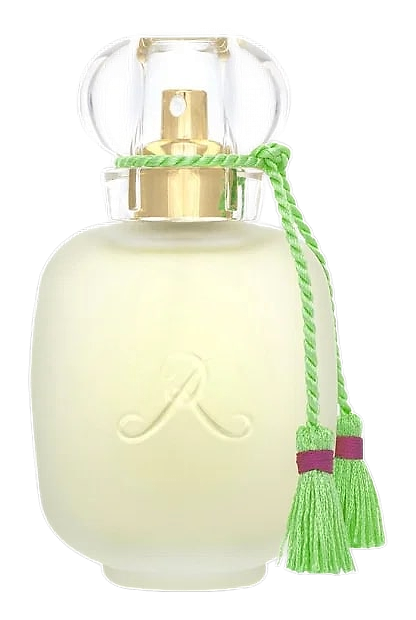
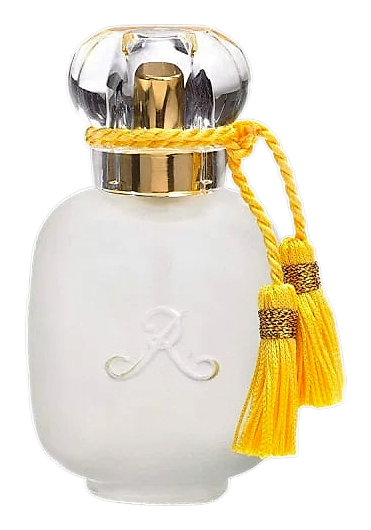
Rose d'Été exists because someone at Les Parfums de Rosine decided the house's rose obsession needed a summer volume. Not a lighter rose, a rose that lives in July. Perfumer François Robert built it around yellow rose, the variety that carries warmth in its petals rather than depth. The name is declarative: Rose d'Été. Rose of summer. No ambiguity about what it's for or when to wear it. It launched in 1998 and never changed, which tells you something about whether it found its audience. The yellow rose at its heart brings a sun-drenched quality, as if the petals have absorbed the heat of a July afternoon. There's a honeyed richness beneath the bright facets, a suggestion of ripe stone fruit that gives the floral core unexpected body.
The most interesting structural choice is Ambrette in the base. Ambrette, musk mallow, not animalic musk, gives the drydown a vegetable warmth that powdery roses rarely achieve. It smells like the inside of a clean wrist, not like detergent. Combined with Musk, it extends the yellow rose's warmth without sweetness, which is the tightrope this fragrance walks successfully: summery but not sweet, floral but not powdery, simple but not boring. The galbanum is what makes this honest. It keeps the apple honest, the rose honest, the whole thing from sliding into potpourri territory. Without it, this would be a different fragrance.
The evolution
The opening announces itself immediately: sharp green apple, bright bergamot, the herbal cut of galbanum. The fruitiness is crisp and immediate, almost effervescent, like biting into a just-picked apple on a warm day. As the top notes begin to settle, the yellow rose steps in with a quiet handover, not dramatic but unmistakably present. The transition feels natural, the fruitiness giving way to something softer without a hard edge. The mimosa and linden blossom arrive to soften what could have been a sharp floral heart, turning it creamy and slightly heady without losing the green. There's a powdery warmth that creeps in, almost like sun-warmed skin. The drydown brings the ambrette and musk, which arrive last, wrap the rose in something clean and warm, and stay. The base doesn't try to dominate the composition but instead supports the floral heart, extending its presence.
Cultural impact
Rose d'Été occupies a quiet corner of niche fragrance that most people never find. Those who do tend to keep it. It has the longevity to be a workhorse summer fragrance, with enough character to feel personal and distinctive. The sillage is present without being intrusive, creating a bubble of scent that stays close to the skin rather than announcing itself across a room. This is fragrance for those who want to smell good for themselves, who appreciate nuance over projection. It occupies a space in the collection that feels both essential and understated, the kind of fragrance that becomes a trusted companion through many summers.