
The Story
Why it exists.
The beginning
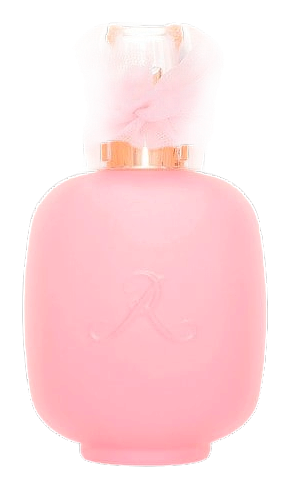
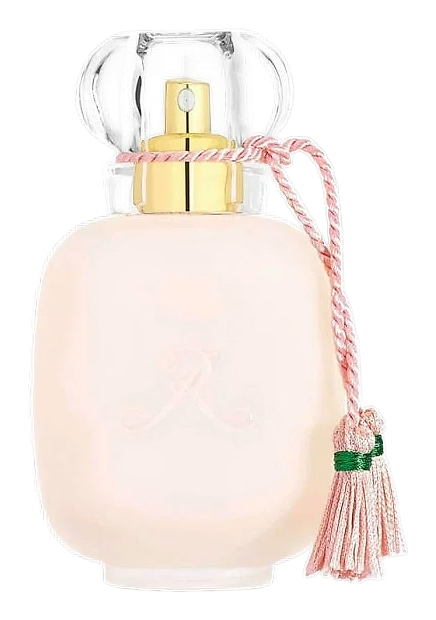
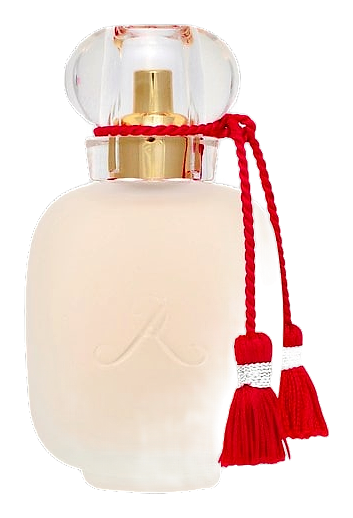
Benoist Lapouza worked under Marie-Hélène Rogeon's direction to build Glam Rose around a central rose-violet accord, launched in 2011. The brief was simple on paper: glamour with rock and roll spirit. Ultra-femininity with a declared difference. The fragrance targets the woman who doesn't need permission to stand out, the kind who applies her lipstick before the first call, not after. The 20% concentration across all Les Parfums de Rosine compositions signals an intent, this house wasn't interested in safe. Glam Rose follows that mandate. It opens bold, commits to its character, and refuses to be background music.
What separates Glam Rose from a standard powdery-rose is the ambrette seed threading through the base. Ambrette, musk mallow, carries a warm, slightly animalic quality that stops the powder notes from reading as strictly retro. The suede in the drydown reinforces this: it's not velvet, it's leather. Worn, soft, close. The litchi-rose combination (litchi rose, Damask rose, China rose per the house) brings a watery sweetness to the heart that keeps the violet from tipping into something dusty. It's a careful balance, bright fruit cooling the warmth, warmth preventing the powder from going flat.
The evolution
The opening announces itself immediately, blackcurrant leaf and black pepper, tart and sharp. The pepper doesn't bite; it cuts. Cassis. A bright, almost astringent quality that lasts maybe twenty minutes before the florals arrive. The heart is where Glam Rose earns its name. Violet and rose, inseparable from the first moment they appear. The jasmine underneath keeps everything lifted, not heavy, not indolic, just present enough to remind you this is a composition and not a coincidence. Raspberry builds quietly, preparing the transition. Six hours in, the suede is unmistakable. Soft, intimate, warm. The cedar holds everything steady. The ambrette lingers closest to the skin, that animalic warmth that reads as skin-scent rather than perfume. This is not a fragrance that announces itself at hour six. It whispers. It stays.
Cultural impact
Glam Rose launched into a rose fragrance landscape that had grown accustomed to either classical or minimalist interpretations. The powder-violet-and-raspberry combination occupies a specific register, the vintage lipstick rose, that fewer houses were exploring in 2011. Wearers who connect with it describe it as unlike anything in their collection, precisely because the powder quality isn't a passing phase but the fragrance's actual identity. The 20% concentration places it among the more serious EDPs in the Les Parfums de Rosine range.
The House
Les Parfums de RosineLes Parfums de Rosine is a historic French perfume house rooted in early 20th-century Parisian luxury. Paul Poiret, the celebrated fashion designer credited with liberating women from corsets, founded the house in 1911, naming it after his daughter Rosine. This made it one of the first fragrance lines attached to a fashion house identity. The brand lay dormant for decades before Marie-Hélène Rogeon, a fourth-generation perfumer whose family lineage traces to Louis Panafieu who reportedly created fragrances for Napoleon III, revived it in the 1990s. Today the house crafts rose-centric fragrances that range from powdery and classical to modern and gender-fluid. Each scent reflects a commitment to French perfumery traditions while speaking to contemporary sensibilities.
The Creator
Benoist LapouzaBased on his work with By Kilian, Benoist Lapouza seems drawn to rich, gourmand accords blended with boozy notes and warm spices. He likely favors using high-quality raw materials and has a knack for creating fragrances with significant depth and longevity.