
The Story
Why it exists.
The beginning
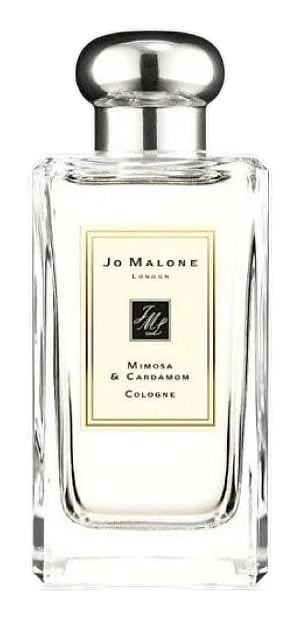
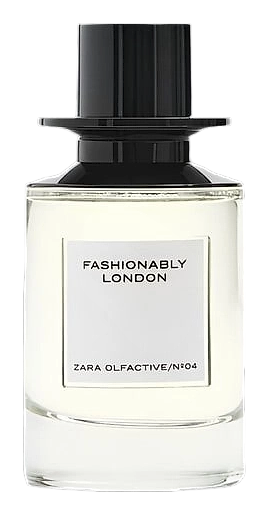
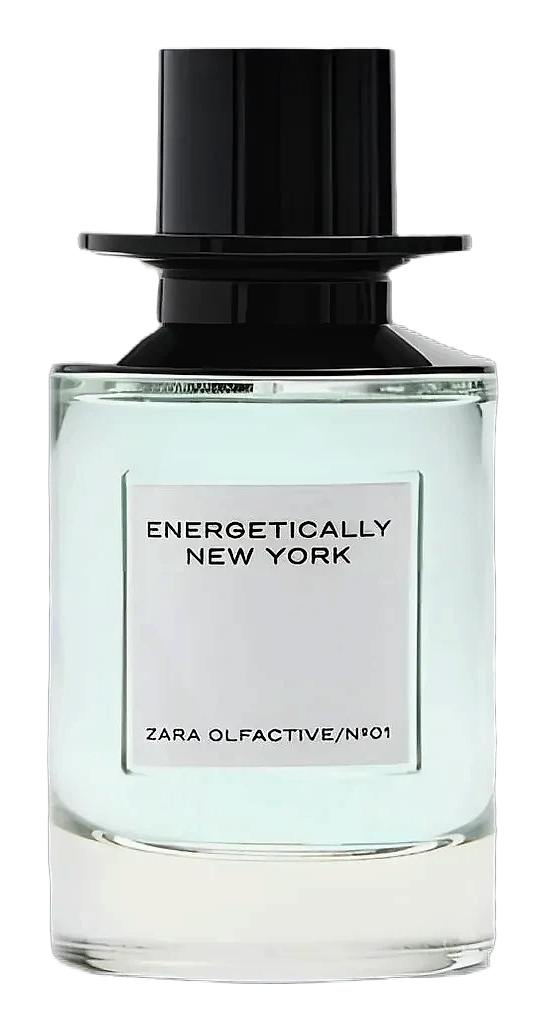
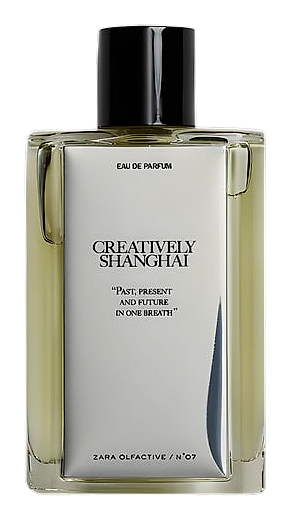
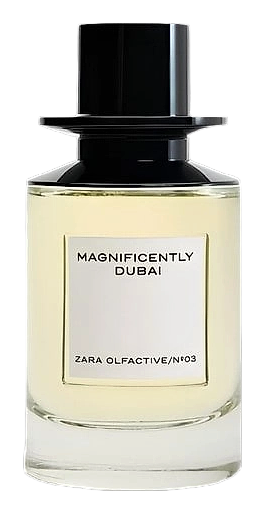
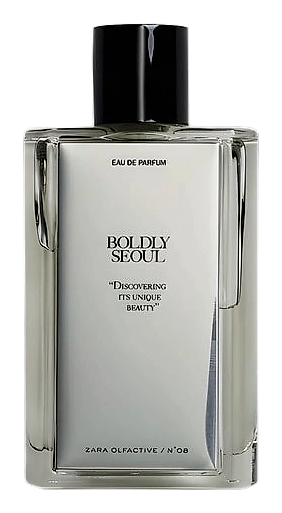
Boldly Seoul arrived in 2021 as part of Zara's Vibrant Cities collection, a collaboration with Jo Malone CBE, founder of Jo Loves. The naming is deliberate: Seoul, a city that moves at the speed of now, where tradition folds into neon and the result is something entirely its own. The brief was clear, the execution tender. This wasn't designed to shout from across a room. It was built for proximity, the kind of fragrance someone notices only when they're close enough to matter. Jo Malone brought her signature restraint to the work, translating urban energy into something soft and wearable at Zara's accessible price point. The name promises boldness; the composition delivers tenderness. That's not a contradiction, it's the point.
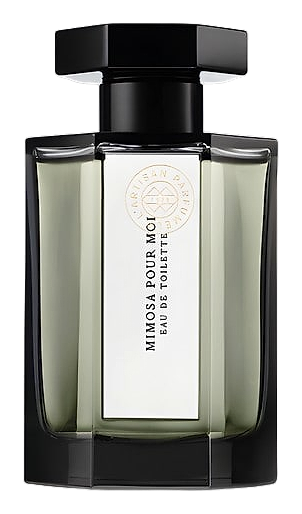
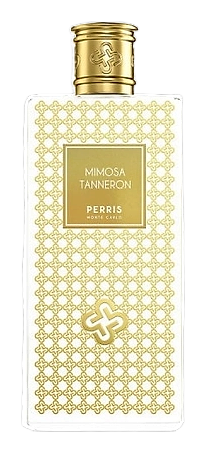
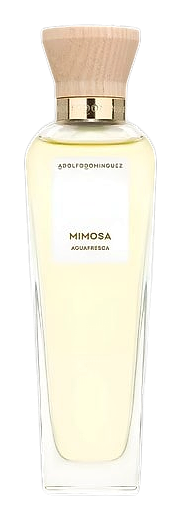
What makes this work is the powder-to-floral axis. Mimosa isn't a common centerpiece, it's soft, yellow, slightly honeyed, and in Boldly Seoul it's allowed to bloom without interruption. Pear keeps things clean and watery, preventing the mimosa from becoming too sweet or too retro. The base is where Zara's craft shows: ambrette seed (a natural musk substitute) combined with heliotrope and white musk creates a skin-close warmth that doesn't project but lingers. The fragrance doesn't compete with its wearer. It accompanies them.
The evolution
It opens clean, bergamot and mandarin are present for maybe twenty minutes before the florals take over. That first chapter is brief, almost a formality. Then mimosa arrives, and the fragrance becomes something else: powdery, slightly sweet, almost edible in the way good skincare smells when it lingers on warm skin. The drydown is the real story. Ambrette and heliotrope create a soft, almost almond-like warmth that clings to fabric and skin for hours after application. On clothes especially, a shirt worn to bed, a scarf left in a bag, it lasts well past six hours. On bare skin, closer to four or five. Not a sillage beast. A lingerer.
Cultural impact
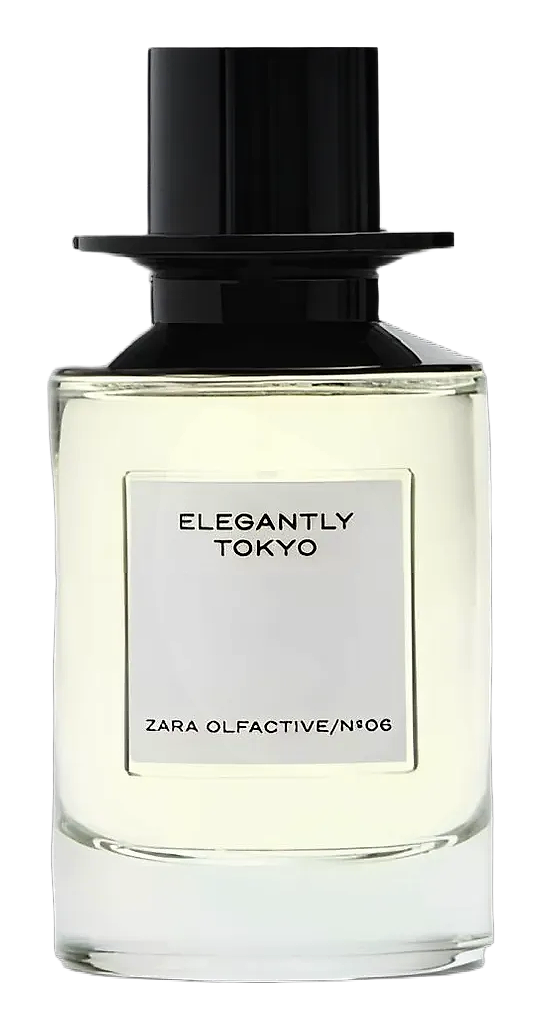
Part of Zara's Vibrant Cities collection, Boldly Seoul landed during a moment when Korean cultural influence, K-beauty, K-fashion, K-drama, had reached global saturation. The naming tapped into that energy while the fragrance itself walked a different path: soft, inoffensive, almost anti-bold. It found its audience among those who wanted the aesthetic of something trend-forward without the commitment of a statement scent. Compared to its Zara siblings, Elegantly Tokyo, for instance, it skews warmer, more powdery, more intimate. The fragrance enjoys a loyal following among those who appreciate its restraint over projection, its perceived value stems from what it delivers within its category rather than measurable ratings.