The Story
Why it exists.
The beginning
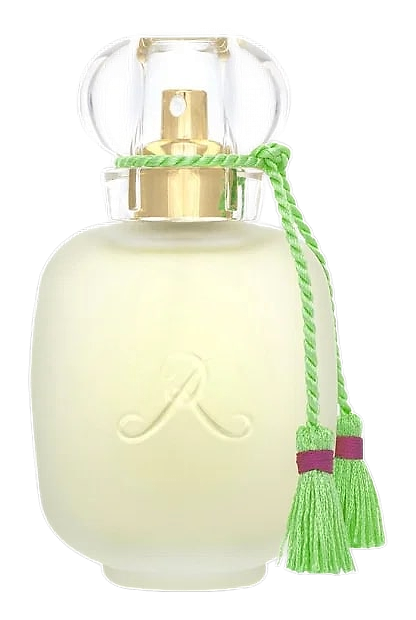
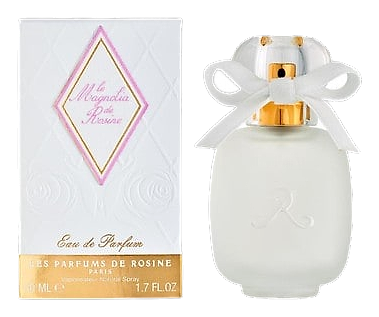
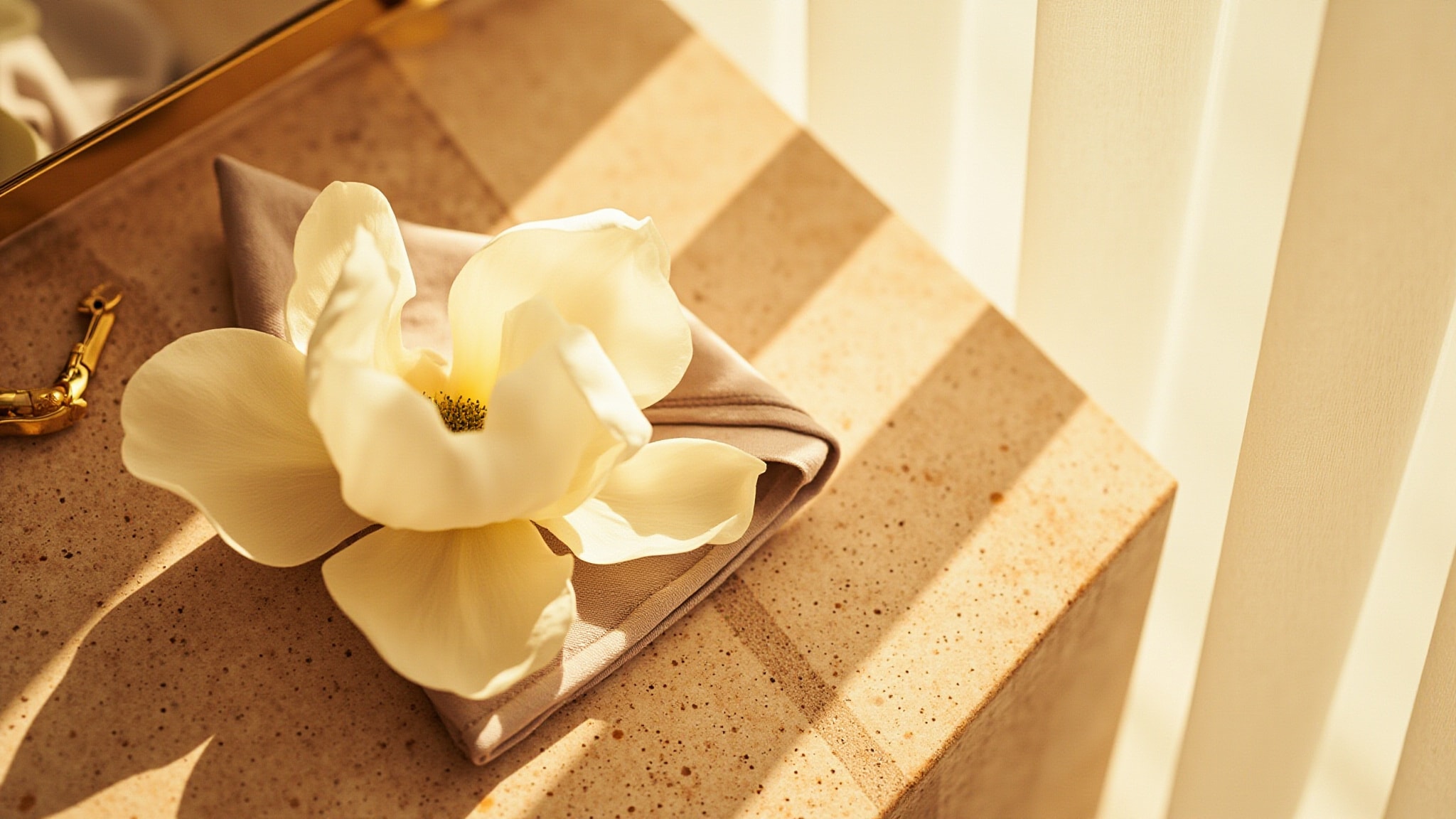
This fragrance was born from two memories of the same flower. Marie-Hélène Rogeon spent childhood summers in Brittany, surrounded by enormous magnolia trees that burst into bloom each August, their velvety cream flowers heavy with a fresh, citrussy scent that outshone everything else in the garden. For Louis Rogeon, the memory was urban: a magnolia tree on Rue Notre Dame des Victoires, near the house's boutique in the Palais Royal, whose fragrance each summer transformed that corner of Paris into something wild and garden-like. When the time came to add a new soliflore to the Les Parfums de Rosine collection, magnolia was the obvious choice, though the northern climate of Picardy meant the trees couldn't grow in their own garden. Pierre Bourdon built the composition around purity and naturalness, creating a fragrance that captures the flower at its most itself: solar, bright, and unapologetically floral.
What makes Le Magnolia de Rosine interesting is its restraint. Magnolia as a soliflore is uncommon, the flower is notoriously fleeting in perfumery, its scent difficult to extract and easy to lose. The solution here wasn't to layer in heavy fixatives or build a fortress of supporting notes. Instead, the composition uses the fresh-fruity-green family to keep the magnolia buoyant: blackcurrant adds a tart, almost berry-like depth to the top; lily of the valley brings that clean, slightly green crispness that feels native to the flower; peony adds body without heaviness. The three-essence accord of magnolia, citrus, and rose (the house's namesake) keeps everything centered on the floral.
The evolution
The opening arrives quickly: citrus brightness sharpened by blackcurrant's tart, almost sour fruit. Freesia adds a delicate floral undertone so the citrus doesn't feel like a cleaning product, it's fruity-floral from the first breath. This phase lasts thirty to forty minutes, charming and bright. The heart takes over gradually. Magnolia becomes the obvious note, creamy, velvety, full without weight. Peony and lily of the valley soften the edges. Rose is present but behaves itself, sitting quietly beneath the magnolia as a warm, familiar foundation. The heart lasts two to three hours on most skin. By the fourth hour, the white musk has settled close. The rose lingers. The magnolia, true to its nature, has already left the room.
Cultural impact
Since its 2018 launch, Le Magnolia de Rosine has found its audience among wearers who want fragrance to feel personal rather than performative. The perfumers' stated goal was purity and naturalness, and the community response reflects that intent. Some find the opening irresistible; others wish the drydown lasted longer. That tension is the fragrance's honest signature: it's lovely while it lasts, and when it's gone, you're not sure whether to reapply or let it go.