The Story
Why it exists.
The beginning
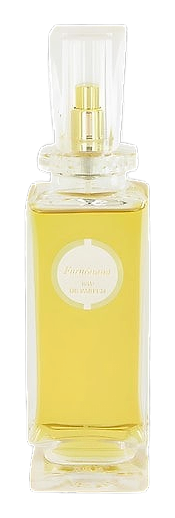
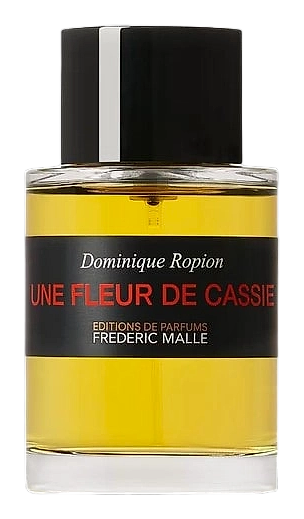
Cassia is a rare flower in the mimosa family. It doesn't grow everywhere. It doesn't appear in every perfume. When Dominique Ropion decided to build a fragrance around it, he wasn't reaching for safety. He was reaching for something most perfumers never attempt. The result is Une Fleur de Cassie: a composition that takes the powdery, honeyed intensity of cassia and wraps it in aldehydic elegance. The aldehydes lift the floral heart, giving it a waxy brightness that feels simultaneously vintage and contemporary. This is not a polite floral. It's one that arrived with intention and refuses to apologize for taking up space.
What makes this unusual is the combination of materials. Mimosa absolute is intensely powdery. Cassia blossom adds honeyed depth that most yellow florals can't match. Jasmine absolute brings indolic warmth that some find intoxicating and others find confrontational. Aldehydes tie it all together with that waxy, vintage brightness. Sandalwood, vanilla, and musk form the base, not to tame the florals, but to let them linger.
The evolution
The opening arrives fast, aldehyde brightness that announces itself in seconds, the waxy electricity that signals intention. Within minutes, the yellow florals push forward. Mimosa absolute fills the space. Cassia blossom follows with its honeyed warmth. Jasmine absolute thickens everything into something warm and slightly animalic. This is not a quiet phase, the florals own it. The base arrives quietly but commits for the long haul. Sandalwood keeps it creamy. Vanilla adds sweetness. Musk lingers where the florals begin to recede. The next morning, there's a quiet powder warmth that remains, faint, intimate, close to the skin. This is a fragrance that starts strong and stays present.
Cultural impact
Une Fleur de Cassie sits in a specific tradition: the aldehydic floral, the powdery yellow bloom. It's not trying to modernize that tradition, it's extending it. Some describe it as ravishing, a high-water mark of perfumery. Others find it dusty and dirty, the animalic notes confrontational. That's the mark of something that refuses to be safe. Dominique Ropion built his reputation on bold florals, Ysatis, Amarige, Alien, and Une Fleur de Cassie continues that lineage. It's a fragrance for someone who treats perfumery as a serious art form and doesn't need their flowers to apologize for taking up space.