
The Story
Why it exists.
The beginning
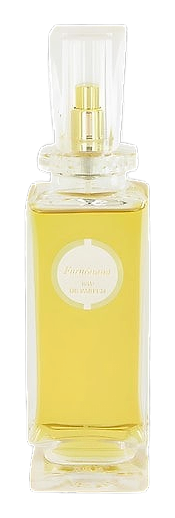
Farnesiana takes its name from the flower itself, the golden mimosa, also known as the sweet acacia, with its distinct fluffy yellow blooms and warm, almost hay-like fragrance. The perfumer Michel Morsetti chose to build an entire perfume around this note when most houses treat mimosa as a supporting player. The reason: mimosa holds. Its natural tenacity makes it a vessel for something that lasts, and Morsetti wanted that staying power to anchor the composition from opening to drydown. Released in 1947, Farnesiana was his answer to a question most perfumers never thought to ask: what happens when you let mimosa lead?
The result is a fragrance that manages to feel both delicate and forceful at once. The hay note, often considered a hazard in perfumery, becomes a bridge here, connecting the sweet fruitiness of black currant to the powdery florals of the heart. It's a difficult balance. Most compositions that try to span fresh and powdery end up smelling disjointed. Farnesiana doesn't. The secret is in the structure: top notes that arrive bright and green, heart notes that warm into something almost creamy, and a base that anchors everything without overwhelming it. The herbal undertone isn't accidental, it's what keeps the sweetness from becoming sentimental.
The evolution
The opening announces itself immediately. Mimosa leads, but the hay doesn't wait, it arrives alongside, giving the floral a green, almost botanical edge that stops it from reading as sweet. Black currant adds a jammy fruitiness that deepens the effect. This is the most assertive phase. Within twenty minutes, the violet, jasmine, and lily of the valley take over. The powdery florals push the composition toward something warmer, more intimate. The transition isn't abrupt, it's a slow hand-off, the green notes receding as the vanilla and musk begin to assert themselves. By the third hour, you're in the drydown. Vanilla, sandalwood, and opoponax layer into something that feels close and personal. Not projecting. Not filling the room. But there, a warm, powdery embrace that stays until the next morning if you let it. The sillage never becomes loud. Moderate from start to finish, which is part of why it works as a daily fragrance. You'll smell it. The room won't.
Cultural impact
Farnesiana arrived in 1947 as part of Caron's collection of high-perfumerie intensities. The house works with exceptional raw materials in substantial concentrations, and this fragrance is a case in point, the longevity is the proof. Community feedback consistently highlights the realistic mimosa character and the impressive staying power as defining features.