The Story
Why it exists.
The beginning
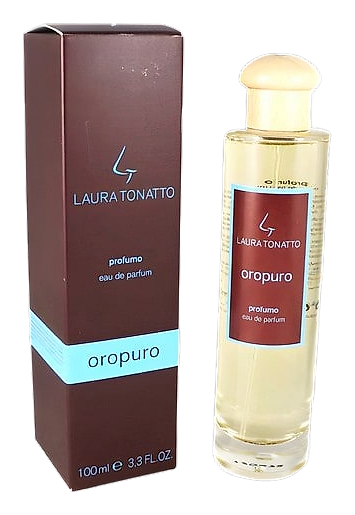
Oropuro arrived in 2000 as Tonatto's opening statement, the house's first fragrance from Laura Bosetti Tonatto and her husband Alberto. The name itself, gold and pure, signals intent. This was meant to be something foundational, a pillar of what the house stood for: Italian craft meeting genuine creative impulse, unhurried by commercial pressure. The animalic core wasn't accident or afterthought. It was philosophy made scent.
The pairing of vanilla with civet is unusual precisely because it refuses the usual separation between comfort and provocation. Vanilla suggests warmth, the familiar, the soft. Civet suggests skin, warmth of a different kind, the intimate and slightly uncomfortable. Most fragrances choose one direction. Oropuro holds both. The white musk doesn't smooth this over; it amplifies the tension, making the vanilla read as almost edible while the civet stays present throughout.
The evolution
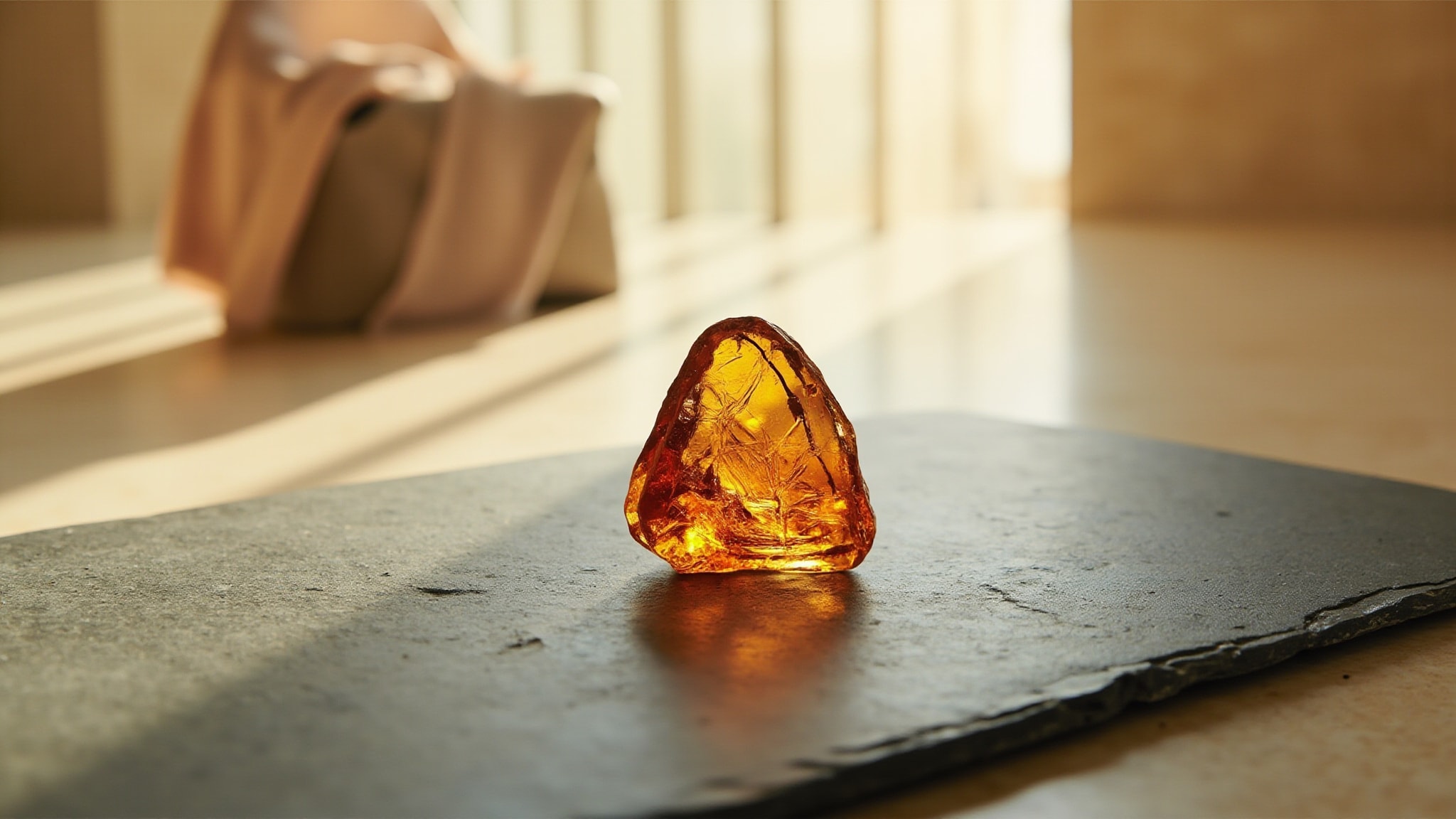
The opening announces itself with vanilla and amber, rich and golden. The bergamot arrives within minutes, a brief coolness, a citrus edge that keeps the sweetness from becoming cloying. Then the white musk settles, turning the composition powdery and close. The civet doesn't burst in. It builds. By the third hour, it's the dominant voice, warm, animalic, alive. On skin, this lasts 6-8 hours easily. The drydown lingers on fabric long after the wearer has left the room.
Cultural impact
Oropuro occupies an interesting position: an early-2000s oriental that hasn't softened with age. The animalic core keeps it relevant for those seeking something with actual character. It's been discontinued, which has only sharpened its cult appeal among collectors who value warmth with an edge.