The Story
Why it exists.
The beginning
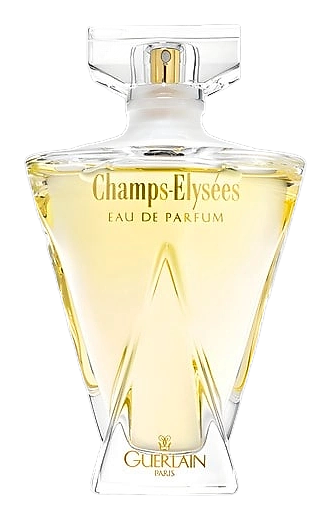
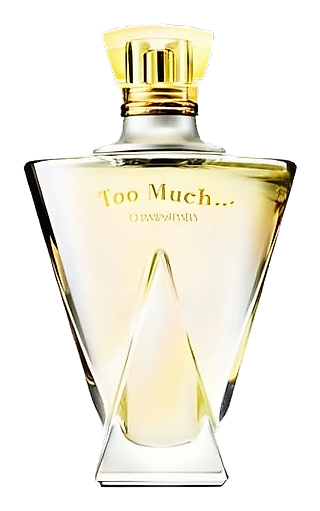
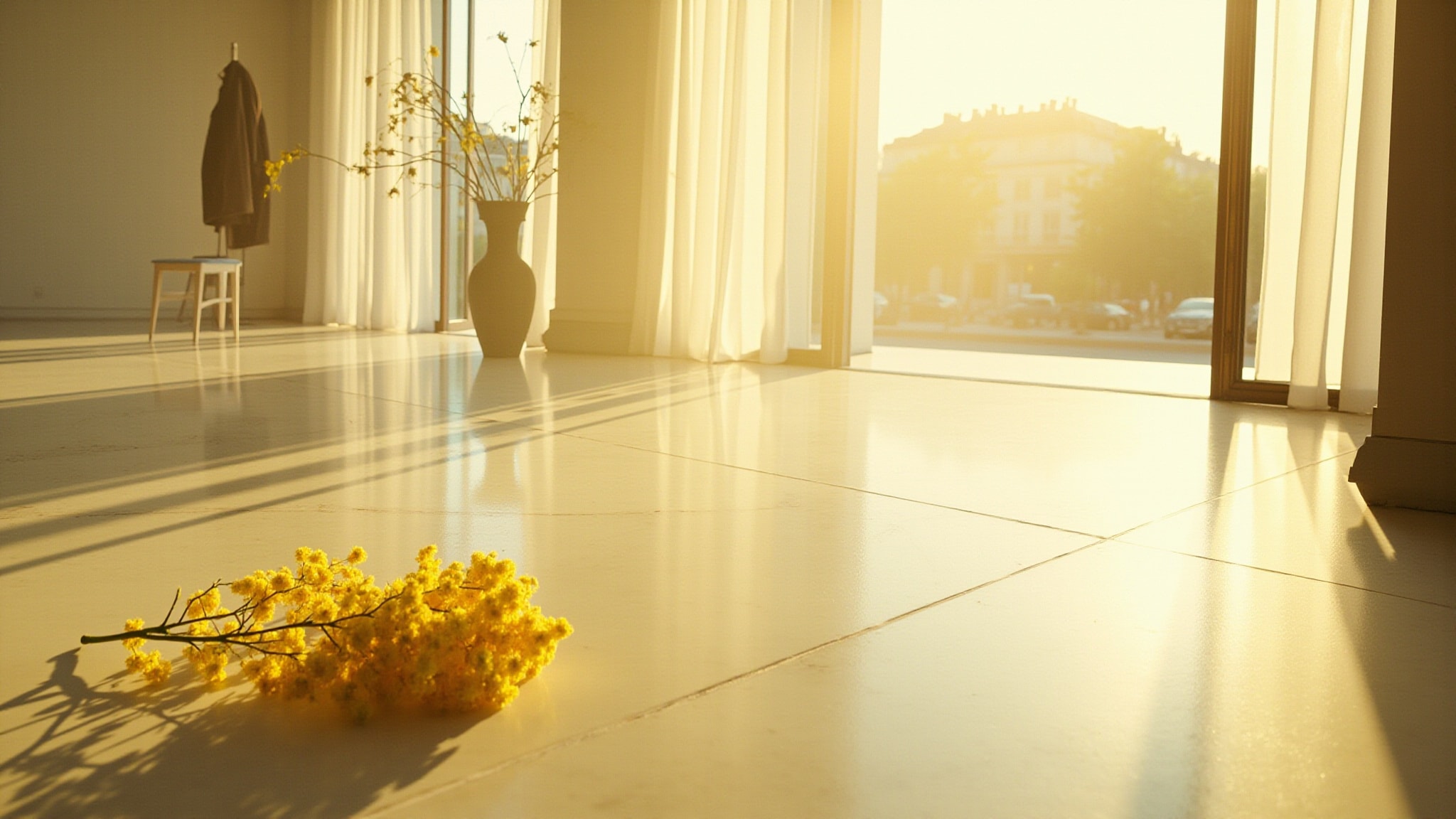
In 2000, Jean-Paul Guerlain created Too Much as a more intensive, more floral interpretation of Champs-Élysées. The original fragrance drew inspiration from a couple's trip to the French capital, and this follow-up pushes further into that Parisian sensibility. The name itself is the concept, not a warning, but an announcement of intent. Mimosa leads the composition, arriving with unmistakable presence and golden warmth. The Champs-Élysées has long been associated with bold confidence, and this fragrance carries that same spirit forward into an entirely new sensory territory.
The structure here is unusual: mimosa doesn't just open the composition, it echoes through the heart as well. This doubling of the note creates a continuous thread of floral presence that runs from first spray to final moments on the skin. Hyacinth appears alongside mimosa in the heart, and lily adds its own white floral dimension to the yellow florals that dominate. The combination feels textured and deliberate, each note supporting the others rather than competing for attention.
The evolution
The opening hits bright and immediate, bergamot's citrus coolness providing sharp contrast to the mimosa's golden presence. The citrus element clears quickly, and mimosa steps forward alone, asserting itself with confidence. The heart arrives gradually as lily and hyacinth weave into the mimosa, adding texture and depth to the yellow florals. Jasmine appears in the base, bringing white floral richness that deepens the composition. Benzoin provides a warm, resinous foundation that anchors everything that came before, turning the florals toward something softer and more intimate. The final hours offer a quiet fade, the florals settling into a gentle, powdery warmth that lingers close to the skin.
Cultural impact
Too Much sits in an interesting moment in Guerlain's feminine fragrance history. The house has produced many variations on floral themes over the years, and this discontinued flanker represents a particular approach to that tradition. Collectors of vintage Guerlain seek it out as an example of Jean-Paul Guerlain's late style: lush mimosa-forward compositions that speak to a specific moment in the house's creative evolution. The fragrance stands as a testament to a time when floral fragrances could be generous, unapologetic, and deeply satisfying.