Jonquil
Jonquil absolute captures the intensely sweet, honeyed heart of spring. Its rich floral character carries green facets and a warm, almost narcotic depth that distinguishes it from its poetic cousin. This precious material adds bewitching complexity to floral and white flower compositions, prized by perfumers for its distinctive warmth.
Character
How it smells
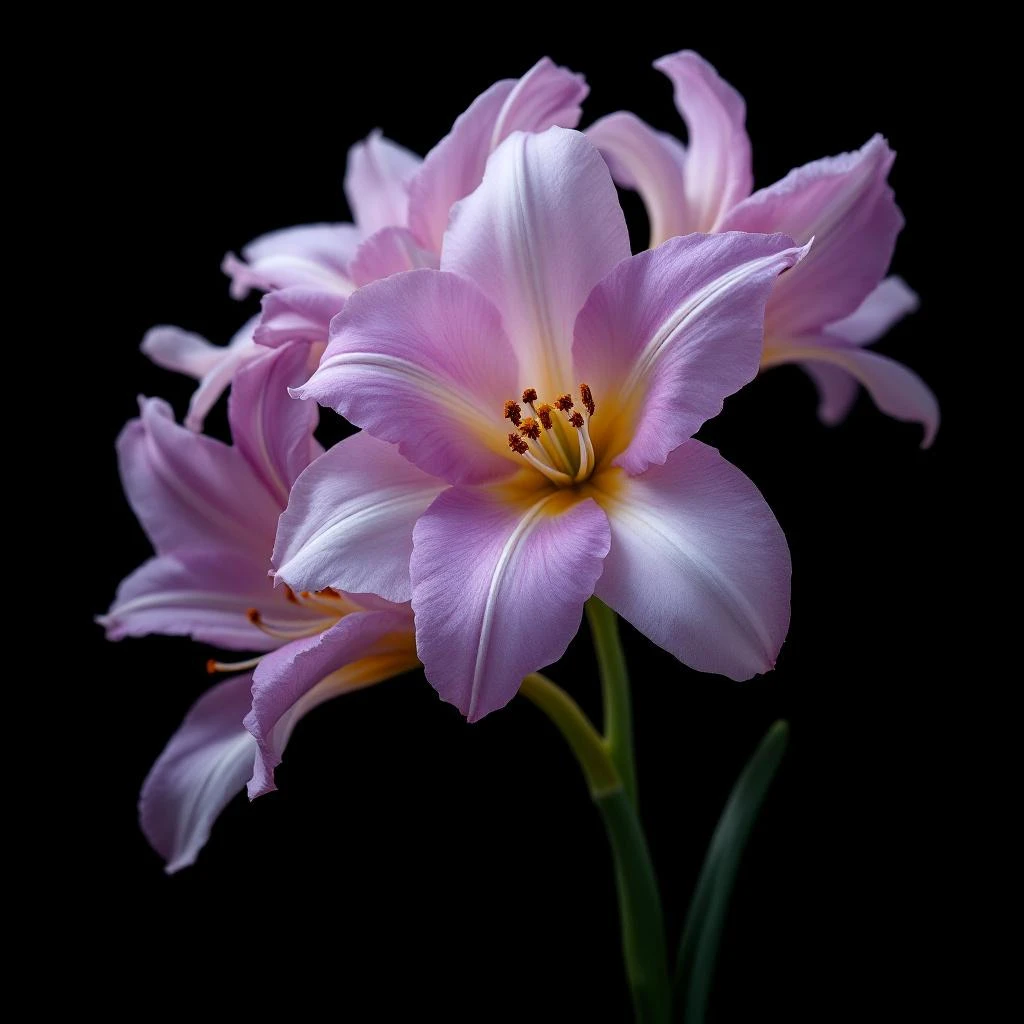
The honeyed soul of spring, distilled into golden floral warmth.
Jonquil takes its name from the Spanish word junquillo, meaning little rush, a reference to its slender, reed-like foliage that grows wild across the Iberian peninsula.








Origin
Spain
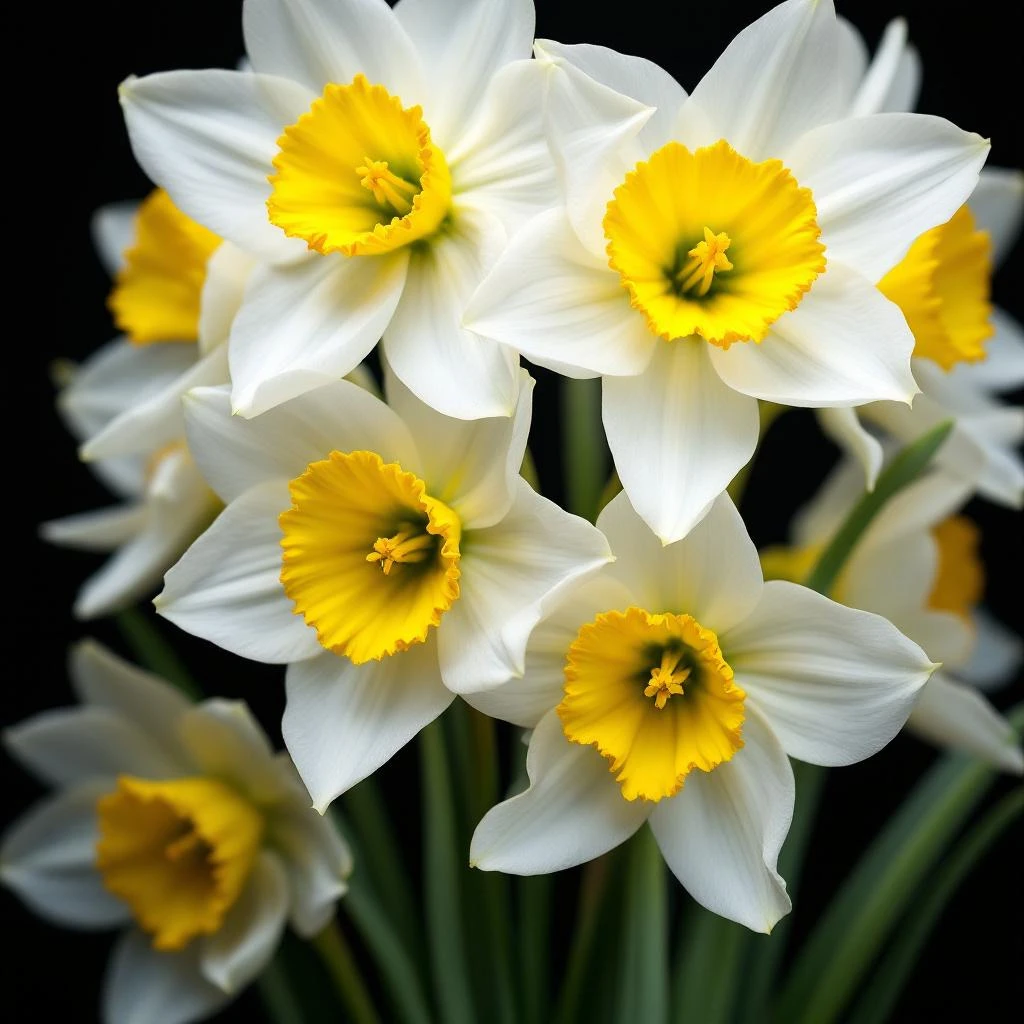
Jonquil has been celebrated since antiquity along the Mediterranean rim, where it grows wild across rocky slopes and grasslands. Spanish and Portuguese botanical traditions particularly cherished this flower, with its slender leaves and clusters of small golden blooms earning the common name that persists today.
The plant was among the Narcissi cultivars brought into garden cultivation centuries ago, valued as much for its intoxicating fragrance as for its ornamental appeal. By the 19th century, French and British perfumers had begun incorporating jonquil into their formulations, drawn to its honeyed floral intensity.
The flower's association with spring and rebirth made it a natural symbol in art and poetry, while its cultivation spread from Iberian wildlands to purpose-grown fields in Grasse and surrounding regions. Today, jonquil remains a relatively rare perfumery material, cherished by those who appreciate its warm, slightly animalic floral signature that evokes the sun-drenched meadows of its Mediterranean homeland.
Wears it best
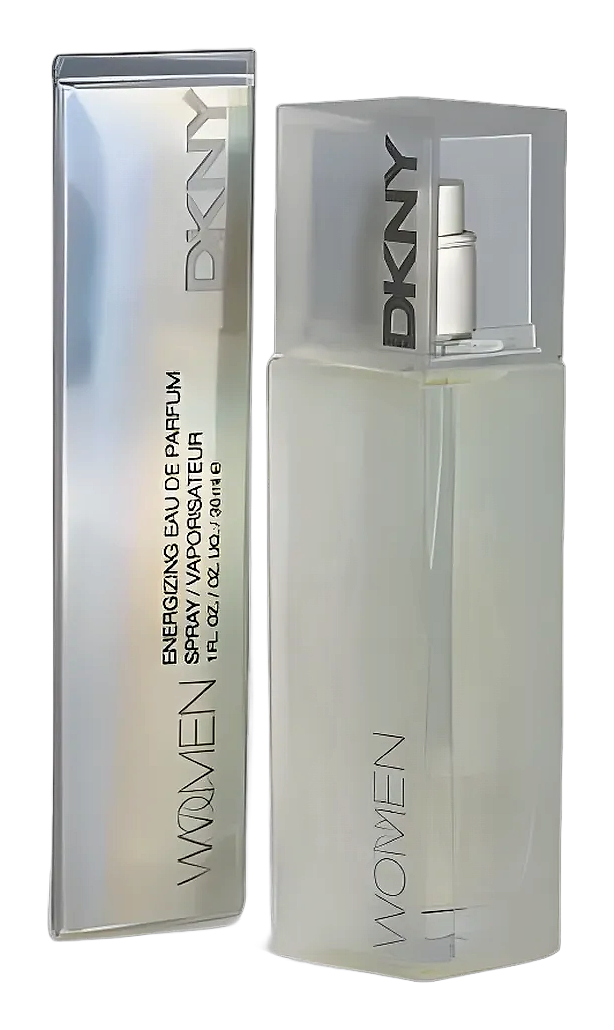
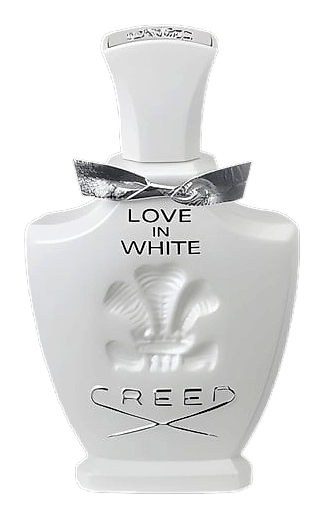
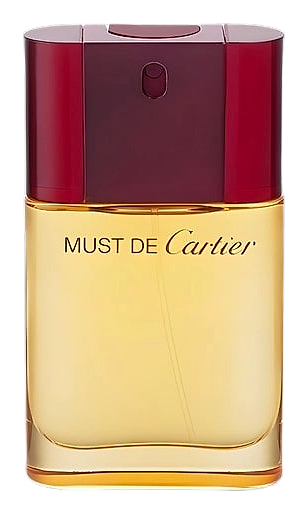
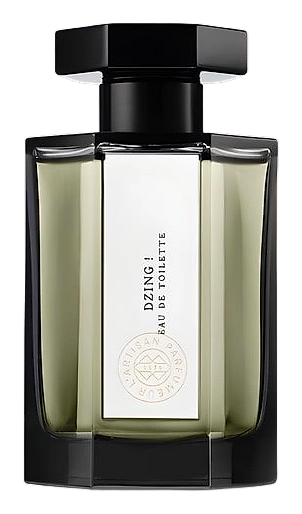
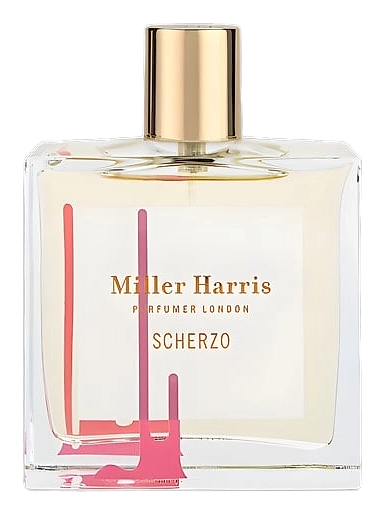
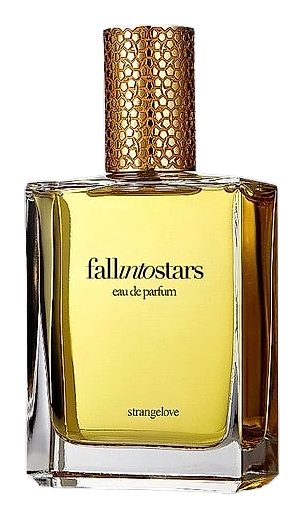
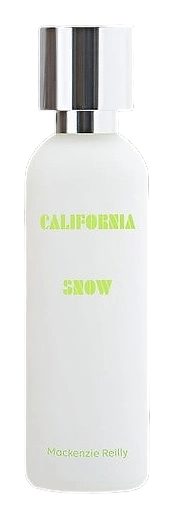
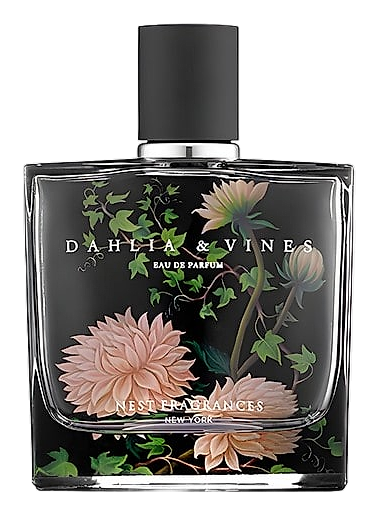
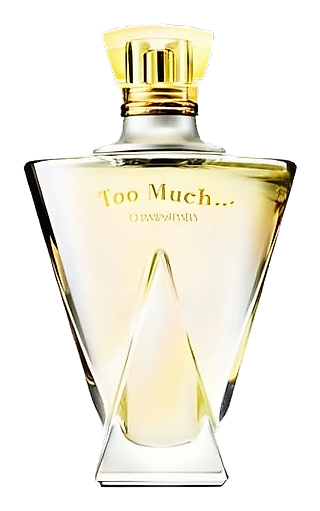
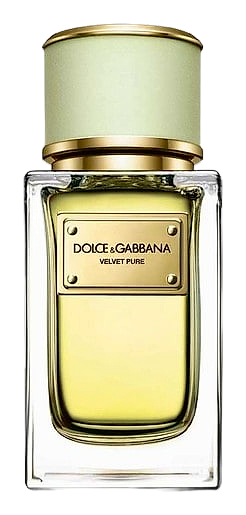
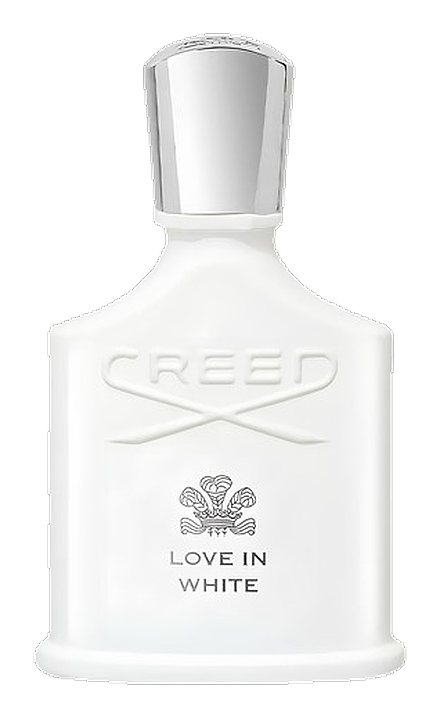
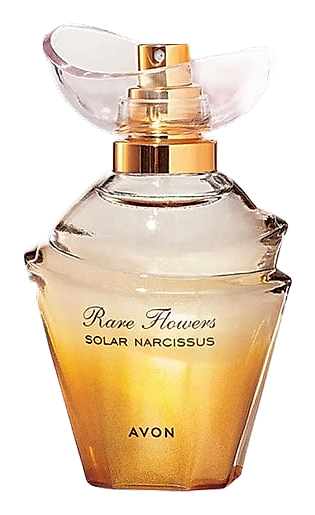
Fragrances featuring Jonquil
Brands
Brands known for Jonquil
Good to know
Questions, answered
The essentials on Jonquil in perfumery: how it smells, where it comes from, and how it behaves on skin.
What does Jonquil smell like in perfume?
Jonquil has an intensely sweet, honeyed floral scent with rich green undertones and a warm, slightly narcotic depth. Its fragrance evokes spring meadows at peak bloom, combining sweetness with an almost animalic richness that distinguishes it from lighter floral notes.
Why is Jonquil used in perfumery?
Jonquil adds exceptional warmth and honeyed complexity to floral compositions that cannot be replicated synthetically. Its natural green-floral character and subtle animalic depth create signature effects in white flower and spring-themed fragrances, making it highly prized among natural materials.
Is Jonquil in perfume natural or synthetic?
Jonquil used in perfumery is a natural ingredient derived from Narcissus jonquilla flowers through solvent extraction. While synthetic Narcissus compounds exist, authentic jonquil absolute comes directly from the flowers and contains the full complexity of natural botanical extracts.
What famous perfumes contain Jonquil?
Jonquil appears in several prestigious floral fragrances, particularly those from French and British houses. Its inclusion is typically noted in vintage and niche compositions where natural absolutes are emphasized, though specific perfume formulas remain proprietary.
Is Jonquil a top note, heart note, or base note?
Jonquil functions primarily as a heart note in perfumery. Its rich floral presence emerges during the mid-palette of a fragrance, projecting warmth and honeyed character that bridges top notes to the deeper layers of a composition.
What notes pair well with Jonquil in perfume?
Jonquil pairs naturally with other spring florals like hyacinth, tuberose, and muguet. Its honeyed warmth complements citrus top notes and blends beautifully with green galbanum. Base pairings often include sandalwood or powdery notes that ground its intense floral character.
How is Jonquil extracted?
Jonquil flowers undergo solvent extraction to produce a concrete, which is then washed with alcohol to yield the absolute. This process requires fresh flowers harvested at peak bloom, with the delicate blossoms processed quickly to preserve their aromatic compounds.
Is Jonquil used in men's or women's fragrances?
Jonquil appears in both women's and men's fragrances, though it is more commonly featured in feminine floral compositions. Its warm, slightly animalic character also appeals to designers creating gender-fluid or traditionally masculine chypre and fougère formulations.