Cassia Blossom
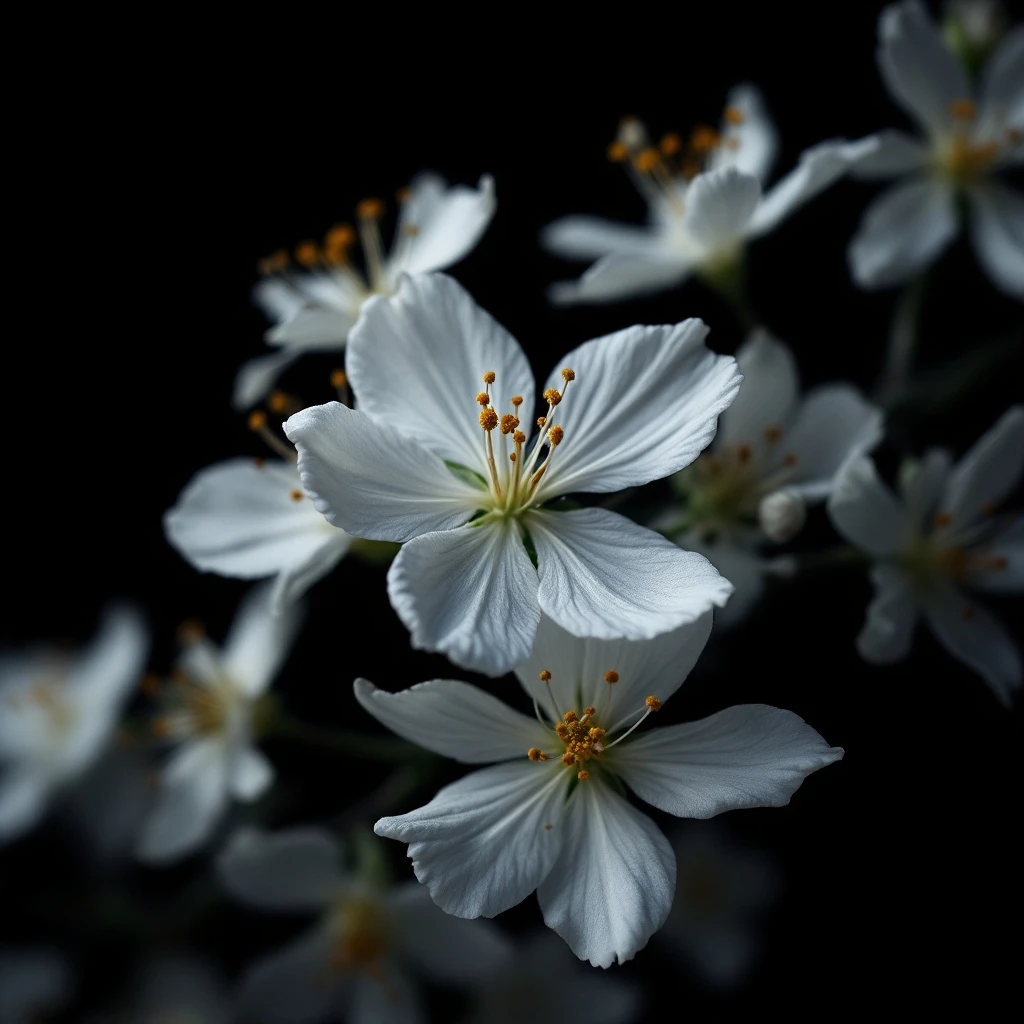
Cassia blossom brings a warm, spiced floral character to perfumery, drawing from the blossoms of Cinnamomum cassia. Native to southern China, this botanical adds an aromatic depth that bridges the line between floral and spicy.
Character
How it smells
Warm spice meets delicate bloom.
Cassia bark was the primary "cinnamon" available in Europe for centuries, long before Ceylon cinnamon was distinguished as a separate species.








Origin
China
Cinnamomum cassia has grown wild in the forests of southern China for centuries, with records of its use in traditional medicine dating back to the Han Dynasty. Chinese herbalists prized cassia bark for its warming properties, incorporating it into remedies for digestion and circulation. The spice reached the Mediterranean via the Silk Road by the first century CE, where it was simply known as "cinnamon" – the distinction between Chinese cassia and Sri Lankan cinnamon came much later.
European apothecaries favored cassia throughout the Middle Ages, valuing it as both a medicine and a luxury spice. Its entry into Western perfumery followed the expansion of fragrance trade routes in the nineteenth century, where perfumers discovered its rich, warm quality added a spicy backbone to oriental and floral compositions.
Wears it best
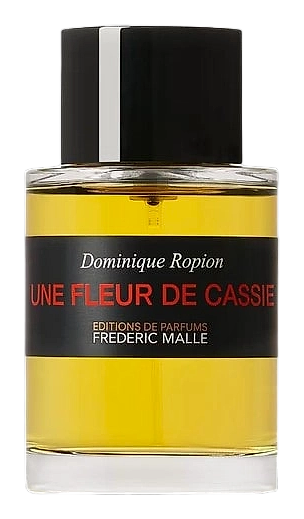
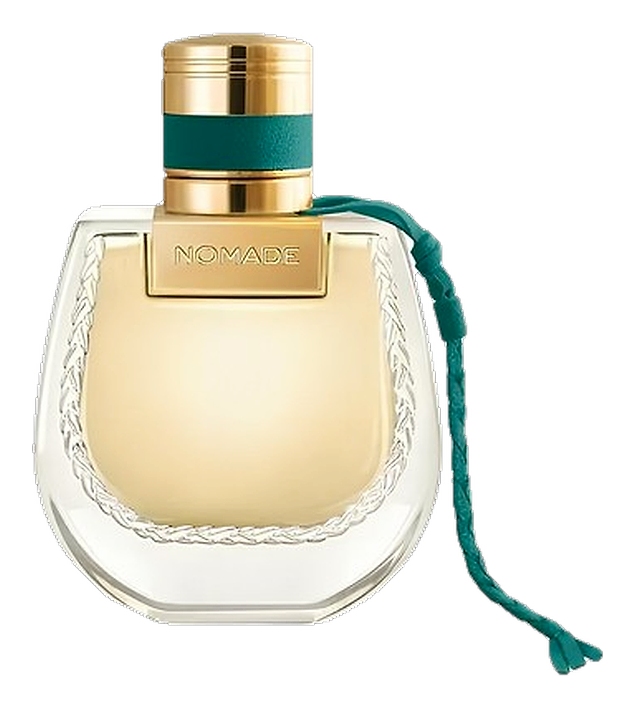
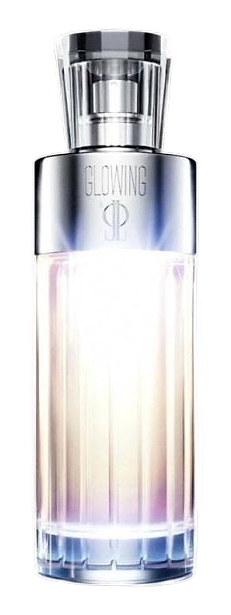
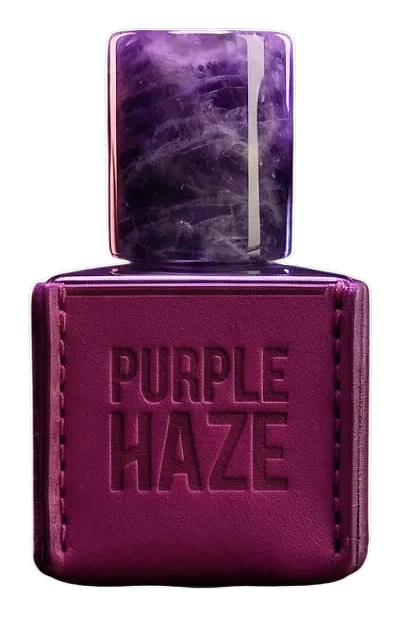
Fragrances featuring Cassia Blossom
Brands
Brands known for Cassia Blossom
Good to know
Questions, answered
The essentials on Cassia Blossom in perfumery: how it smells, where it comes from, and how it behaves on skin.
Is cassia blossom a real fragrance ingredient?
Cassia blossom as a commercial fragrance ingredient is rare. The plant's blossoms are not typically extracted for perfume. Cassia used in perfumery almost always comes from steam-distilled leaves and twigs of Cinnamomum cassia.
What does cassia smell like?
Cassia has a warm, sharp, spicy scent dominated by cinnamaldehyde. It carries a sweet-spicy quality with subtle floral undertones. It reads as bolder and slightly more bitter than Ceylon cinnamon.
What part of the cassia plant is used in perfumery?
The leaves and young twigs are the primary plant parts used for oil extraction in perfumery. Cassia bark is a separate product more commonly used in cooking and traditional medicine.
Where does cassia originate from?
Cassia (Cinnamomum cassia) originates from southern China, where it has grown wild for centuries. Guangdong, Guangxi, and Hainan provinces are key production areas. The tree thrives in warm, humid conditions.
Is cassia the same as cinnamon?
Cassia and cinnamon come from related but distinct species. Cassia (Cinnamomum cassia) is Chinese cinnamon. It has a stronger, bolder flavor and a higher cinnamaldehyde content than Ceylon cinnamon (Cinnamomum verum).
How is cassia oil produced?
Cassia oil is produced via steam distillation. Harvested leaves and twigs are placed in a still, where steam carries volatile aromatic compounds out of the plant material. The vapor condenses, and the oil separates from the hydrosol.
What fragrance families use cassia?
Cassia appears primarily in oriental and spicy fragrance families. It adds warmth and depth to amber bases, pairs with resins and woods, and provides a natural spiced quality to floral compositions.
Are there synthetic alternatives to cassia?
Cinnamaldehyde, the primary aromatic compound in cassia, is produced synthetically and used as an alternative. Synthetic versions offer consistency and avoid the intensity of natural cassia oil, which can be quite potent in formulations.



