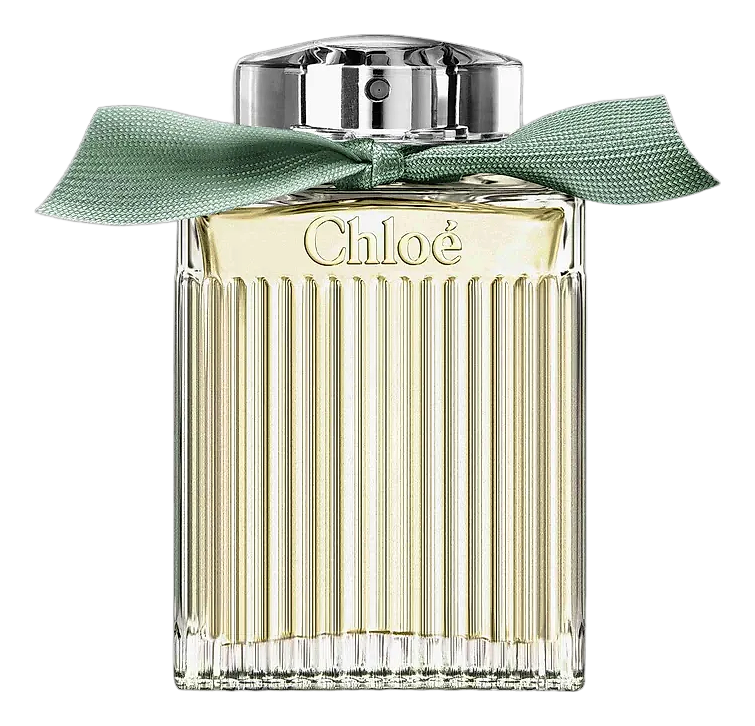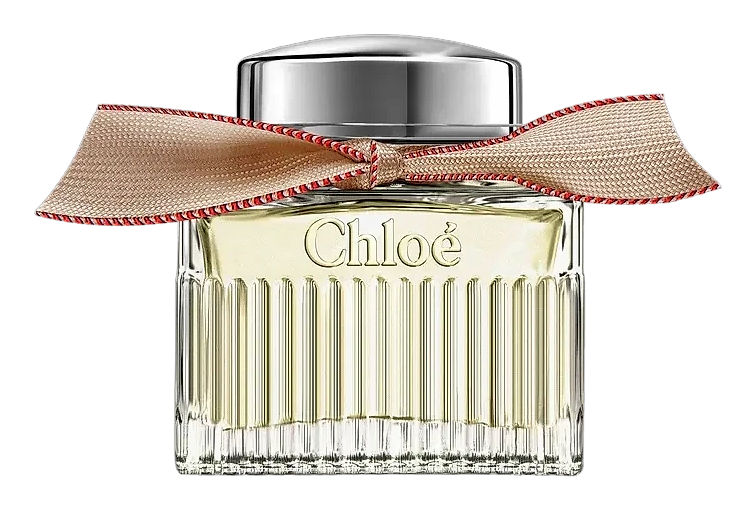

The Story
Why it exists.
The beginning
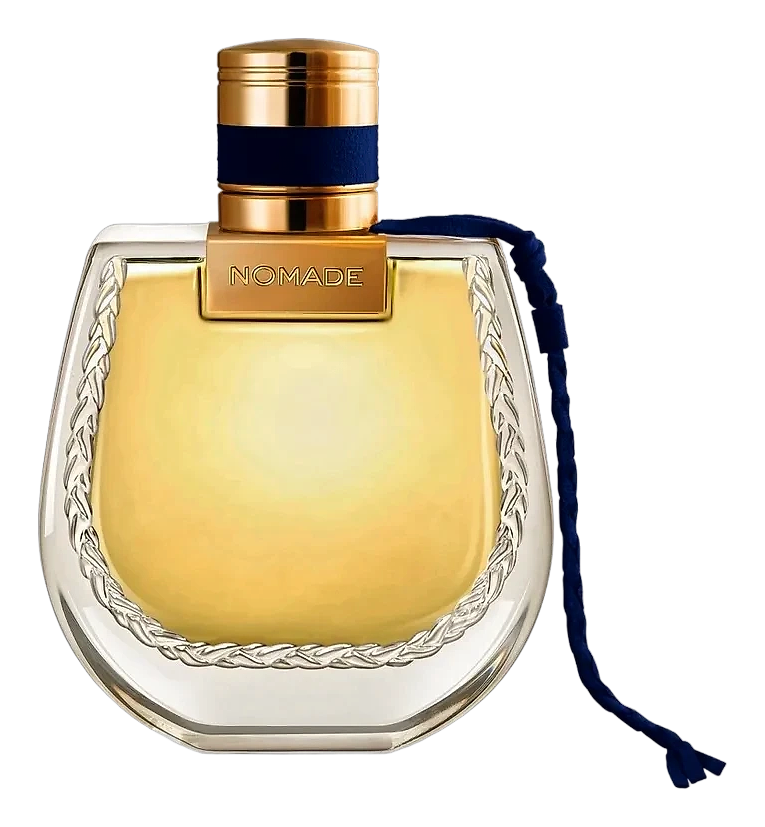
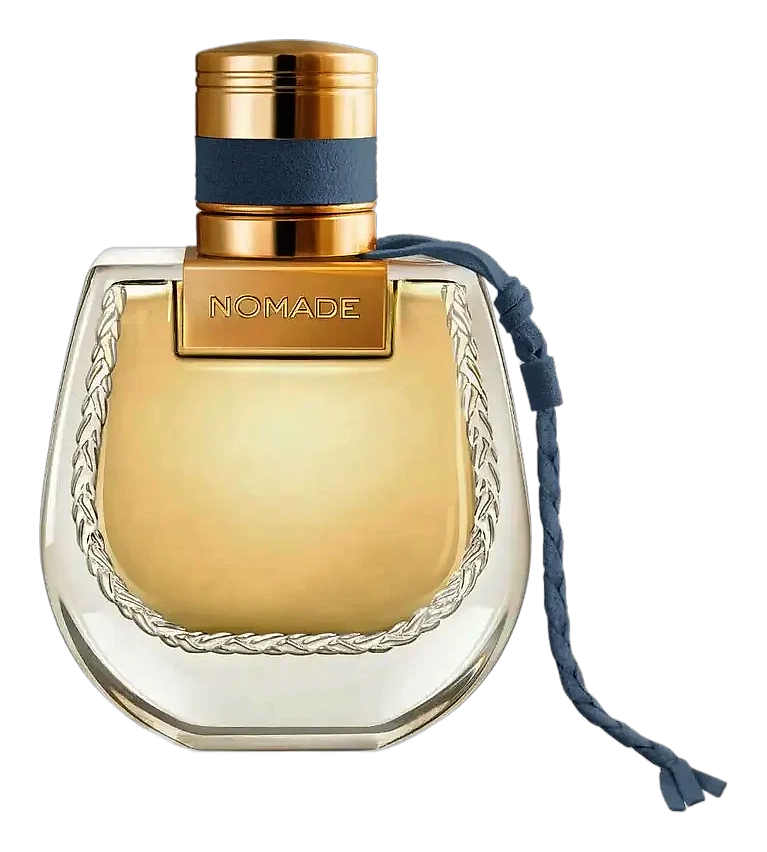
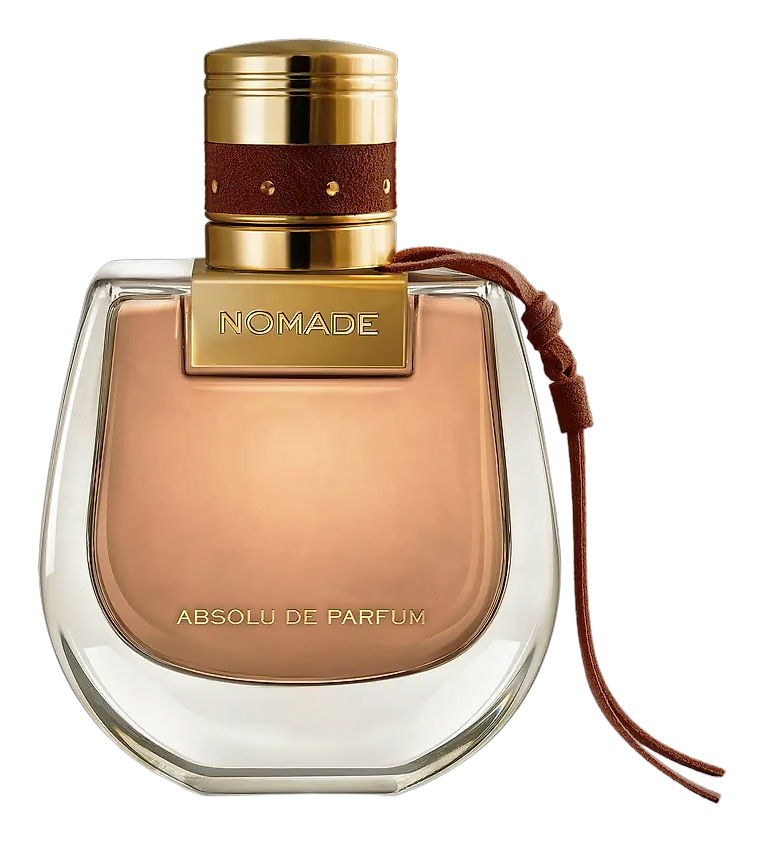
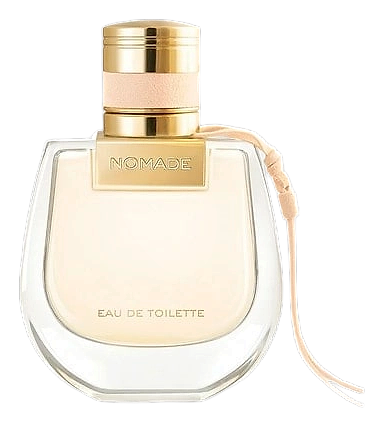
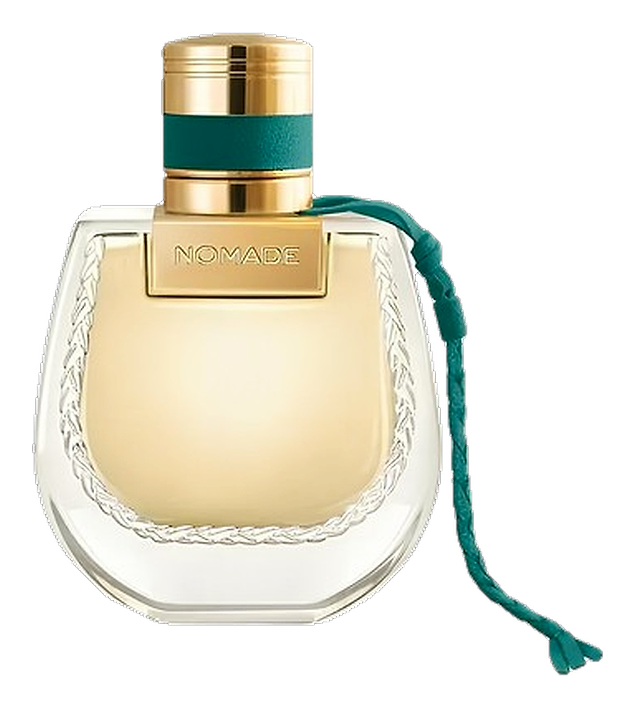
The name carries history. Egyptian heritage was woven into the house's DNA from the beginning, even when the connection was not explicit. Nomade Jardin d'Égypte is the house finally naming its own story, acknowledging a lineage that has quietly run through its collections for years. The fragrance takes its inspiration from the gardens along the Nile, where papyrus grows at the water's edge. But rather than treat Egypt as fantasy, perfumer Caroline Dumur built the structure around papyrus itself, a plant that actually grew there, with actual roots in Egyptian history. The note brings green, slightly watery facets that read almost mineral, a freshness that keeps the composition from becoming heavy or overwrought.
For the fragrance to live up to its name, papyrus needed to be structural, not decorative. The pyramid places papyrus in the opening where it brings green, slightly watery facets that read almost mineral, a freshness that keeps the sweet florals from becoming cloying. In the drydown, papyrus resurfaces as a warm, smooth accord alongside ambrette seed, grounding the composition in that freshwater-vegetal memory while the warmth intensifies. Ambrette seed adds a subtle muskiness that deepens the woods without overwhelming them.
The evolution
The opening announces cassie flower, a warm, creamy yellow floral with a sweetness that avoids synthetic character. Papyrus underneath adds a green, slightly watery kick that keeps it grounded. For the first hour, it reads as sunlit and slightly resinous, with a natural freshness that balances the sweetness. The heart is where fig and dates arrive. Sun-dried sweetness, not green or lactonic, balanced against cinnamon and myrrh that provide warmth without spice heat. The Kyphi accord weaves through smoothly, keeping the fruity notes from becoming gourmand-adjacent. This phase carries the composition forward, its warmth sustained by the interplay between the fruited heart and the resinous undercurrent. The drydown strips back to sandalwood and ambrette seed, where musky warmth beneath the woody core takes over.
Cultural impact
Chloé's Egyptian heritage runs deep, and Nomade Jardin d'Égypte honors that legacy by treating the connection with material authenticity rather than surface decoration. Perfumer Caroline Dumur approaches papyrus and Kyphi as structural materials in the fragrance pyramid, building the composition around ingredients with genuine ties to Egyptian history. The Kyphi accord serves as the aromatic heart, grounding the fragrance in something that feels rooted rather than borrowed. This is what sets it apart from countless fragrances that invoke Egypt as pure fantasy.
The House
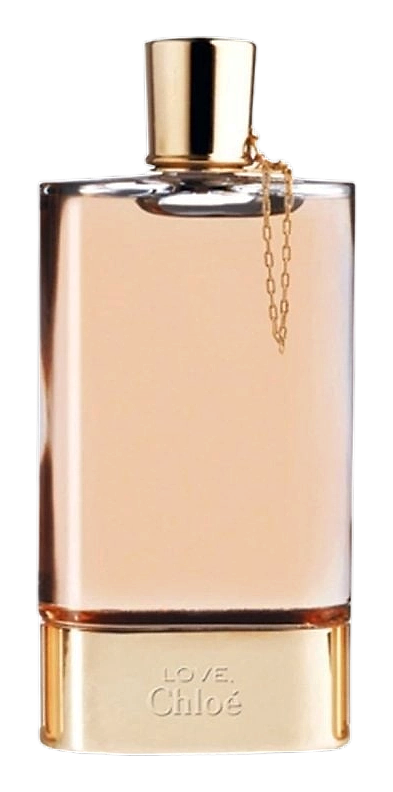
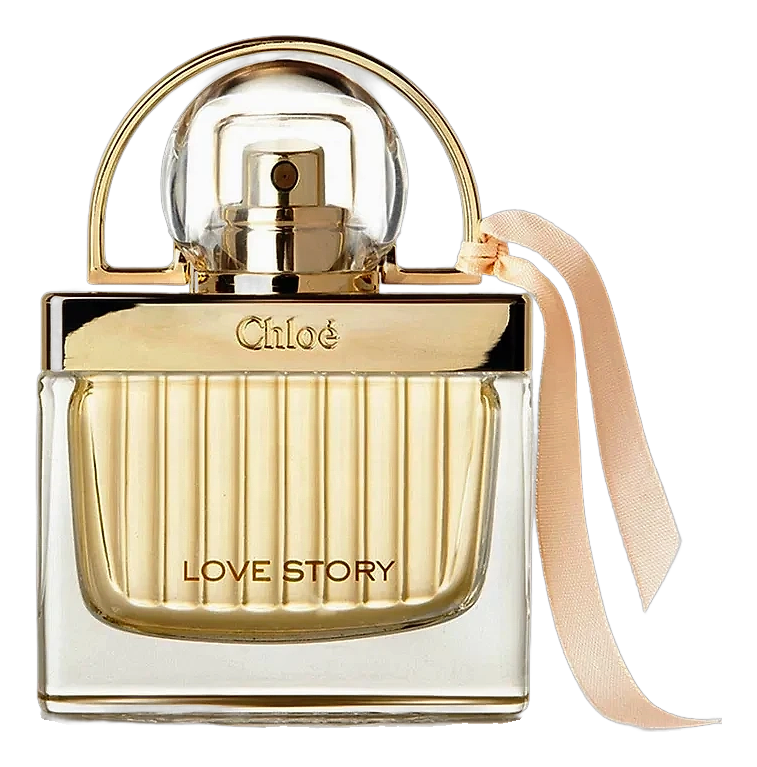
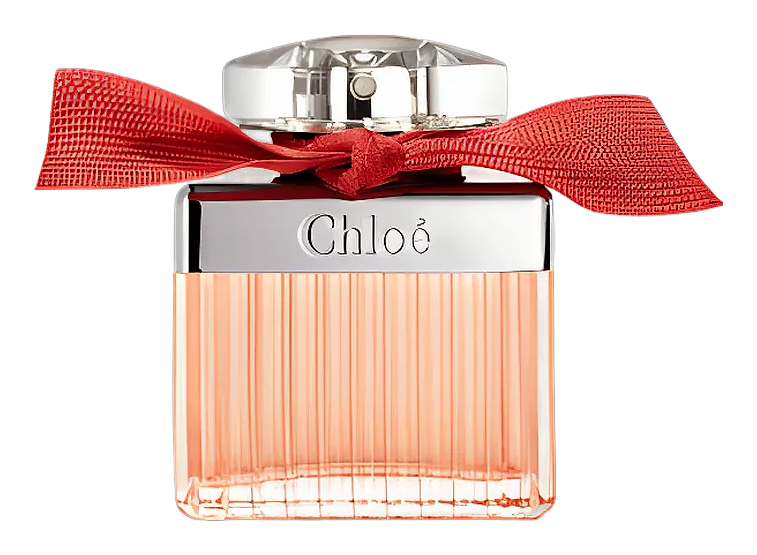
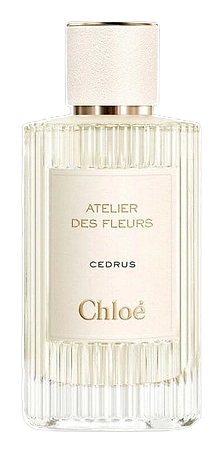
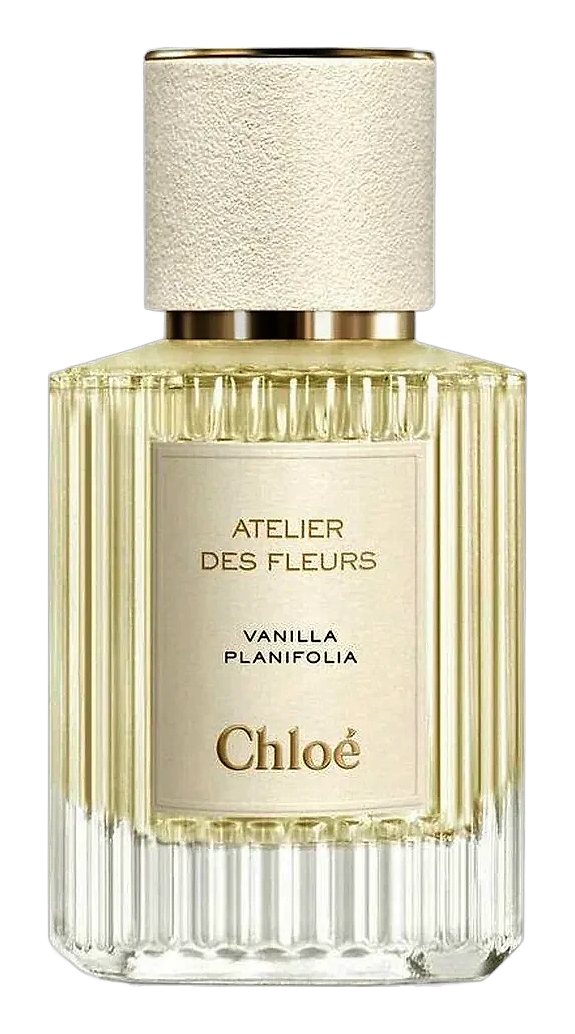
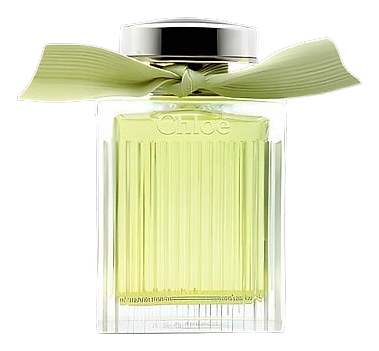
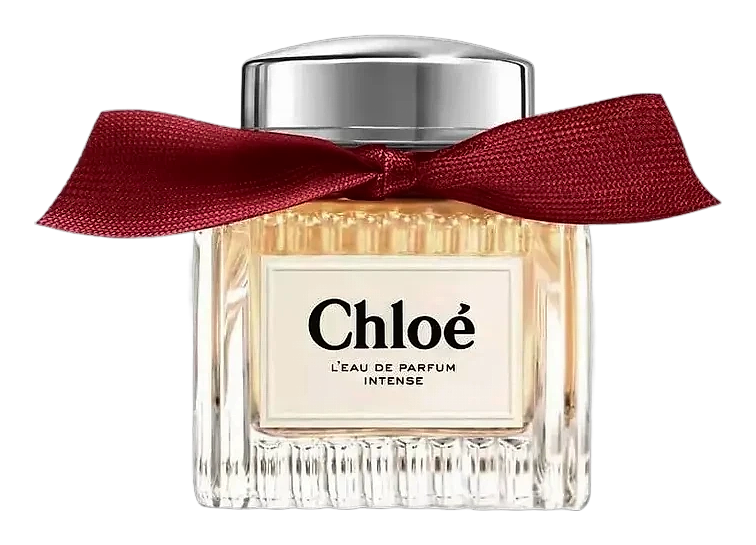
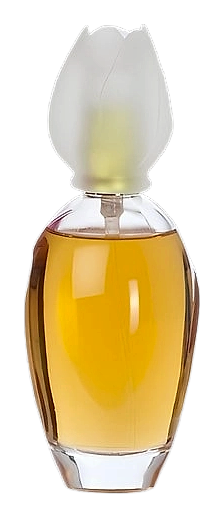
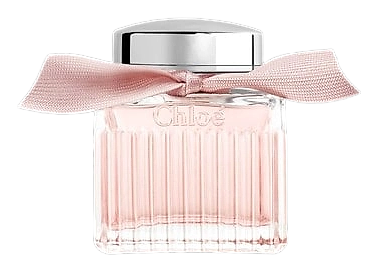
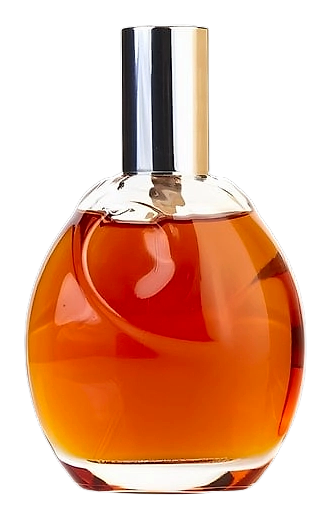
ChloéChloé is a French fashion house that entered the fragrance world in 1975 with an eponymous feminine scent. The brand works with Coty for fragrance production and has built a portfolio of 76 perfumes spanning floral, woody, and fresh scent families. Led since October 2023 by creative director Chemena Kamali, Chloé continues to channel the free-spirited femininity envisioned by its founder Gaby Aghion, who established the house in 1952 as a pioneering force in luxury ready-to-wear. The fragrance collection, including signature releases like the 2008 Chloé Eau de Parfum and the Atelier des Fleurs range launched in 2019, maintains the house's romantic aesthetic through light florals, rose-forward compositions, and elegant bottle designs featuring the signature pleated glass and hand-tied ribbon.
The Creator
Caroline DumurCaroline favors bold structures built on a clear hierarchy. She often starts with a dominant natural note—jasmine, oud, or cedar—then weaves in a synthetic accent that adds depth or sparkle.