
The Story
Why it exists.
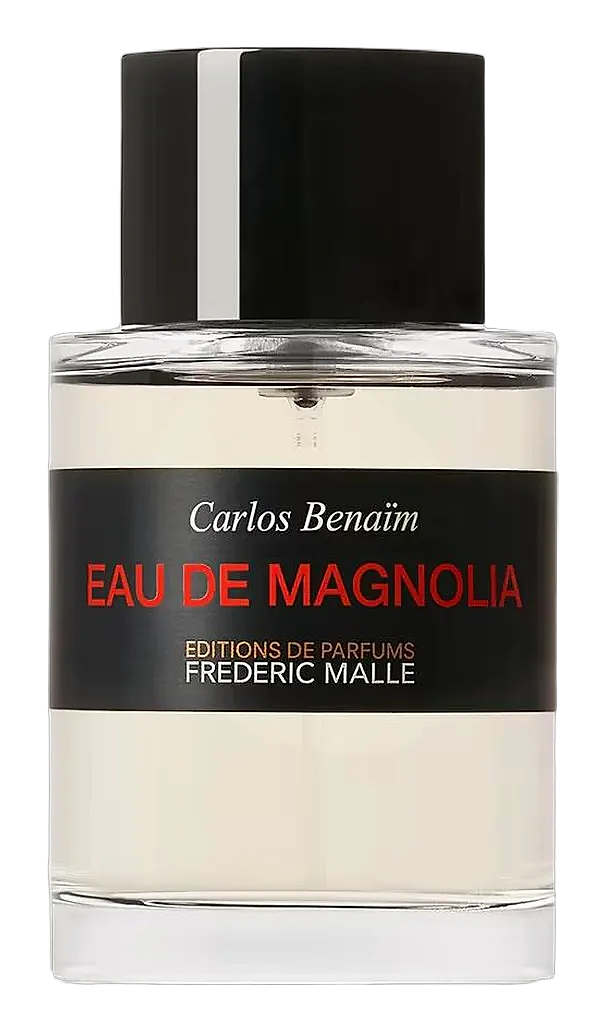
Carlos Benaïm built Eau de Magnolia around a paradox. Everyone recognizes the name. Almost no one knows what it actually smells like. The magnolia flower's scent is familiar in the abstract but rarely encountered in its truest form. It has been used in countless compositions, often as a supporting element that adds softness without demanding attention. Benaïm approached this challenge by working directly with magnolia essence, creating a composition where the flower itself becomes the protagonist rather than an accent. The result is a fragrance that doesn't reference the flower, it IS the flower, translated into something you can wear. The fragrance captures the flower's waxy petals, its subtle creaminess, and the quiet intensity that makes magnolia distinctive when encountered up close.
If this were a song
Community picks
The Morning
Beck
The Beginning
Carlos Benaïm built Eau de Magnolia around a paradox. Everyone recognizes the name. Almost no one knows what it actually smells like. The magnolia flower's scent is familiar in the abstract but rarely encountered in its truest form. It has been used in countless compositions, often as a supporting element that adds softness without demanding attention. Benaïm approached this challenge by working directly with magnolia essence, creating a composition where the flower itself becomes the protagonist rather than an accent. The result is a fragrance that doesn't reference the flower, it IS the flower, translated into something you can wear. The fragrance captures the flower's waxy petals, its subtle creaminess, and the quiet intensity that makes magnolia distinctive when encountered up close.
What makes this work is the restraint. The composition avoids loading the formula with white floral power, relying instead on the magnolia itself to provide presence and depth. The citrus top notes serve as an opening that complements the flower without overwhelming it. They bring a bright, clean quality that introduces the fragrance and prepares the palate for what follows. The moss and vetiver in the base provide structure, grounding the magnolia and giving the fragrance a botanical foundation.
The Evolution
The opening hits bright and clean, Calabrian bergamot and lemon, more rind than pulp. There's a slight tartness that some might read as sharp, but it settles within the first phase into something cooler. The green notes arrive quietly, almost mineral, and the magnolia follows without fanfare. No big floral explosion. Just a soft, waxy presence that feels more like memory than smell. By the second hour, the jasmine and vetiver take over, with Calone lending a barely-there aquatic edge. The drydown is where this lives longest, moss, cedar, and a warm amber that keeps the whole thing from reading as cold. The fragrance evolves through these stages with grace, each phase revealing new dimensions while maintaining the magnolia's quiet centrality. The base notes linger longest, offering a rich, enveloping finish that speaks to the composition's depth and craftsmanship.
Cultural Impact
Eau de Magnolia occupies an interesting position in the house's catalog. On the surface, it reads as accessible, a clean, citrus-floral with moderate projection that welcomes new wearers without intimidation. But it rewards attention. The magnolia isn't a filler note here, it's the entire point. The fragrance demonstrates how restraint and focus can elevate a scent beyond simple pleasure into something more considered. A white floral stripped of everything that makes white florals easy to wear and easy to dismiss.
The House
France · Est. 2000
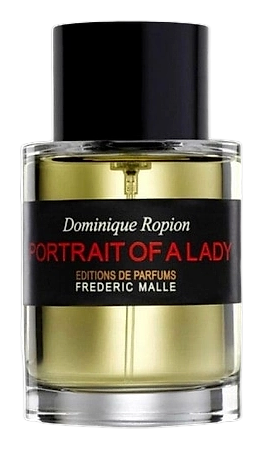
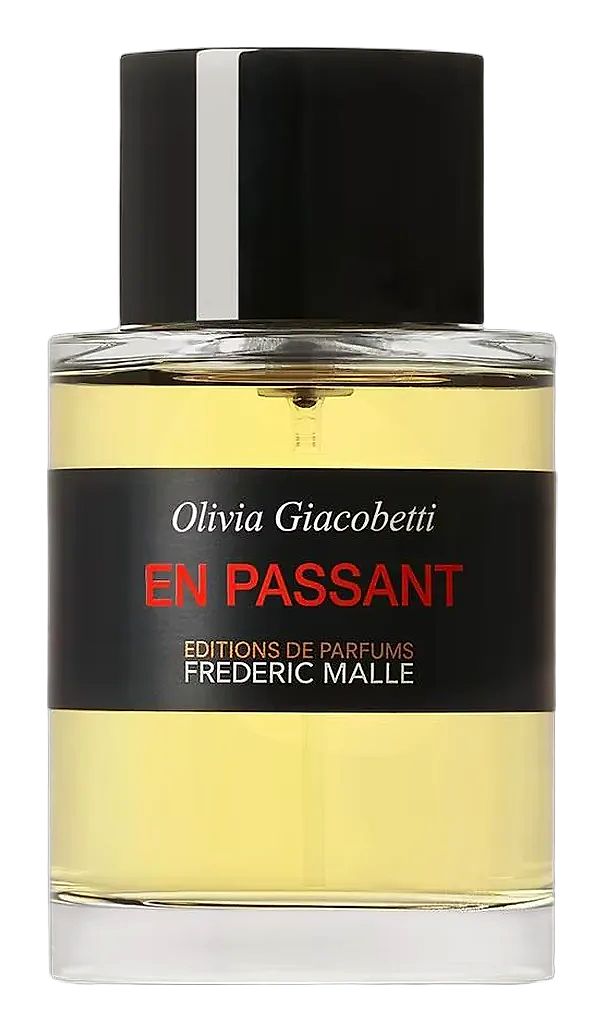
Editions de Parfums Frédéric Malle is a Paris-based fragrance house founded in 2000 by the man the industry calls the 'editeur de parfums.' Malle reversed the industry's hierarchy entirely. Instead of marketing departments steering perfumers toward safe, focus-grouped formulas, he gave the world's greatest nose talents total creative freedom: no budgets, no deadlines, no constraints. In return, he asked only that they sign their work. The results are radical, emotionally complex perfumes that refuse to be safe. The house operates like a literary press, except the medium is scent.
If this were a song
Community picks
This fragrance sounds like a late spring morning, the hour when the air is still cool but the light has turned warm. Clean piano runs, a nylon-stringed guitar, a brushed snare keeping time. Nothing too full. The arrangement thins out in the middle, just like the magnolia does after the opening, leaving space for a single melody to carry the weight. The bass note is always woody, cedar, moss, something that resonates at the bottom of the frequency range. If it had a tempo, it would be moderate. Enough forward motion to keep going, not enough to rush.
The Morning
Beck