
The Story
Why it exists.
The beginning
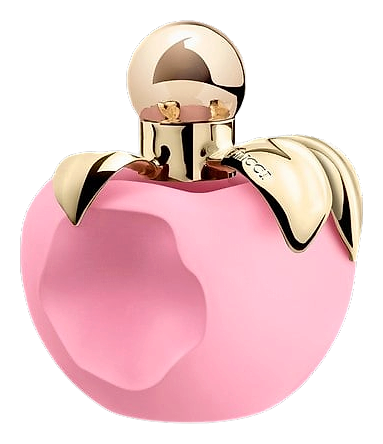
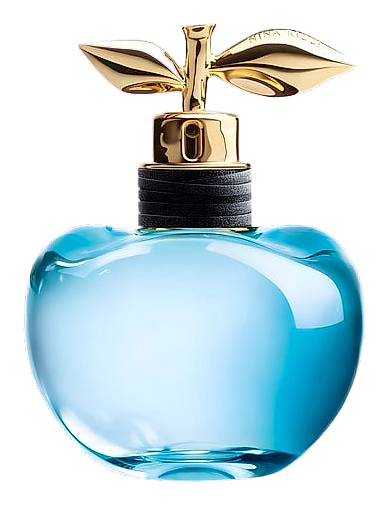
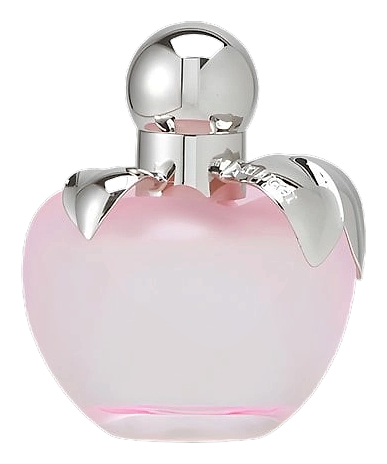
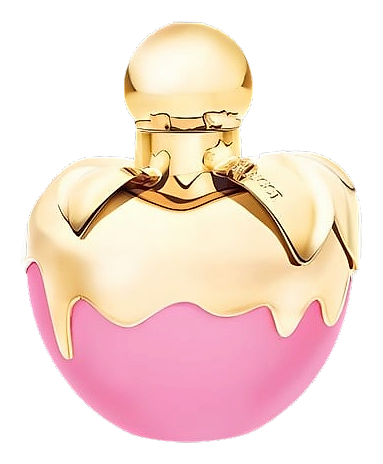
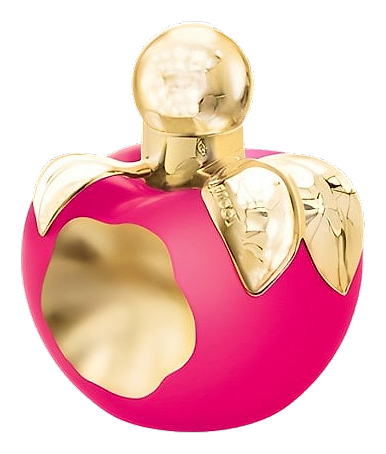
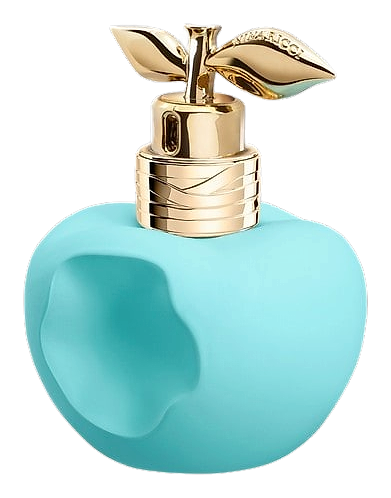
Les Sorbets de Luna arrived in 2019 as part of the Les Belles de Nina collection, scented interpretations of fresh, sweet ice cream desserts. But don't let the name fool you. This isn't gourmand. Fabrice Pellegrin imagined a frozen bouquet of flowers: jasmine, magnolia, and peony presented in a cool, dewy, springtime way. The milky cedar and touch of musk finish it off, transforming what could have been another sweet summer flanker into something with more depth.
The note structure is what makes this interesting. Jasmine, magnolia, and peony are traditionally heavy florals, the kind that can overwhelm a room. Here, they're kept cool, almost crystalline, by the fruit opening and the milky cedar base. It's a composition built on restraint rather than declaration. The cedar doesn't read as sharp or dry, it carries a lactonic warmth that keeps the florals from feeling heady. That's the trick: ice cream desserts without the sugar.
The evolution
The opening is cool and immediate. Bergamot zest and Nashi pear arrive together, citrus brightness softened by the pear's watery, almost translucent quality. Think of it as the frost on the glass. The heart develops over the next few hours: jasmine, magnolia, and peony unfurl with a dewy clarity that feels like spring morning. The florals stay light, never cloying. By hour three, the composition shifts. Cedar takes the lead, its milky quality adding warmth to what was bright. Musk enters quietly, not the loud, animalic kind, but something skin-close and intimate. The drydown isn't a grand finale. It's the opposite. A whisper that stays close, the kind of scent you catch on your wrist when you press it to your nose and wonder what you were wearing. That's the tell. The musky base, cedar and musk together, creates that personal, intimate presence that lingers as a skin scent long after the florals have settled.
Cultural impact
Since its 2019 debut, Les Sorbets de Luna has occupied a quieter corner of the Nina Ricci line. It doesn't try to out-L'Air-du-Temps L'Air du Temps. Instead, it offers something cooler, more modern, a choice for someone who wants a fresh floral but finds traditional romantic florals too heavy. The ice cream concept attracted attention, but the execution surprised people. It reads as restraint, not sweetness.
The House
Nina RicciNina Ricci is a Parisian fashion house founded in 1932 by Italian-born designer Maria "Nina" Ricci and her son Robert Ricci. The house began as a couture salon on Rue Haussmann, quickly establishing a reputation for refined, feminine gowns with romantic sensibility. Robert established an in-house perfume division in 1941, though the first fragrance would not arrive until 1946. That inaugural scent, Coeur Joie, marked the beginning of a partnership with Lalique that would define the house's olfactory identity. The house introduced its most celebrated fragrance, L'Air du Temps, in 1948, a scent that remains in production decades later. Puig acquired Nina Ricci in 1998, bringing the house under the same ownership that manages Carolina Herrera and Jean Paul Gaultier. Today, the fragrance collection spans from timeless classics to contemporary offerings like the Nina line, maintaining the house's commitment to feminine elegance.
The Creator
Fabrice PellegrinPellegrin's style often leans towards a bright, fresh feel, frequently incorporating citrus notes and clean musks. He's known for his skill in creating light and airy fragrances, yet with surprising depth and longevity.