
The Story
Why it exists.
The beginning
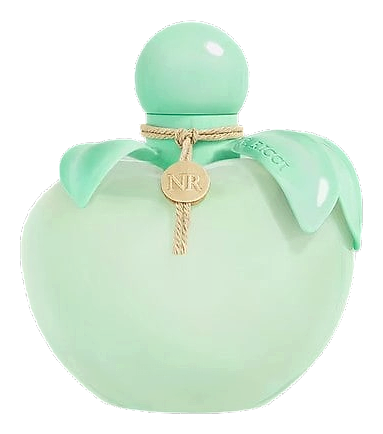
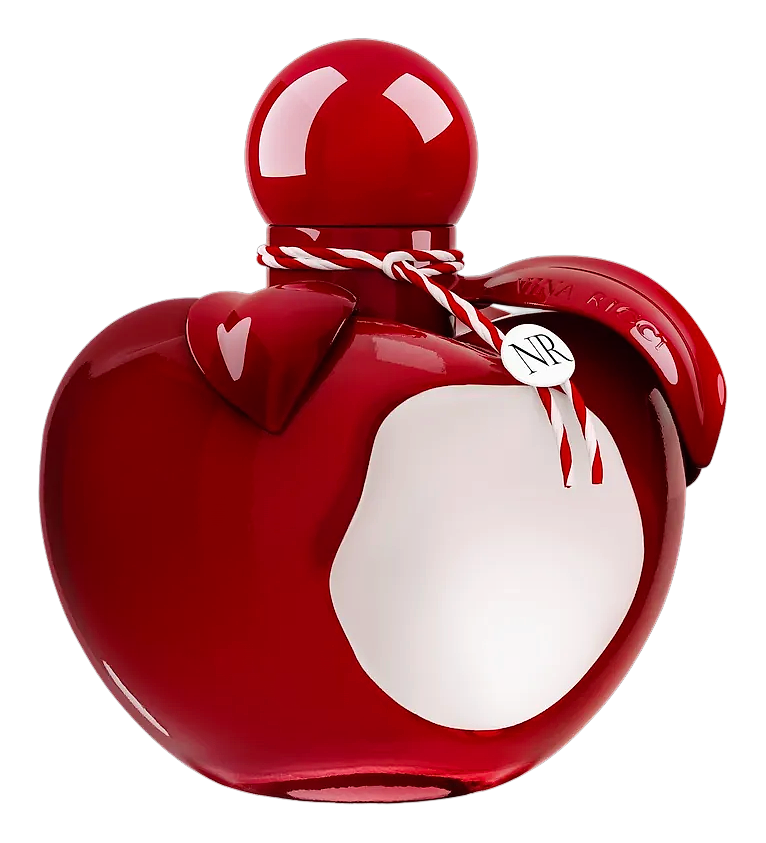
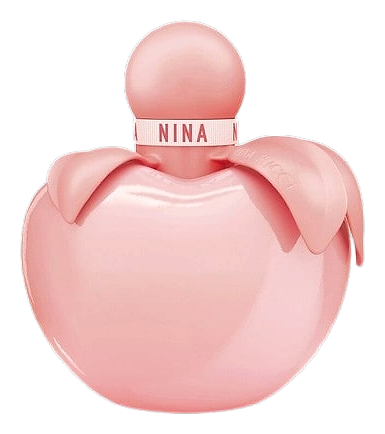
Nina Rose Garden arrived in 2021 as part of the Les Belles de Nina collection, a line that honors the house's long romance with romantic florals. Olivier Cresp, the nose behind it, drew from Nina Ricci's legacy of feminine beauty expressed through refined, graceful compositions. The garden is the concept: not a wild meadow, but a tended one. Where everything has a purpose and nothing shouts.
What makes this structure interesting is the restraint. Two notes per tier. Most fragrances pad the pyramid, this one doesn't. The green grass and pear aren't decorative; they're the thesis. Then neroli and orange blossom arrive to do what the house does best: romantic florals with couture precision. The vanilla and white musk in the base don't overpower. They hold. They keep the freshness from disappearing entirely.
The evolution
The opening hits with grass and pear, dewy, crisp, almost cold. Like stepping into a garden before the sun fully rises. The pear adds a soft fruitiness that keeps it from being too sharp. Within minutes, the neroli and orange blossom arrive. The orange blossom is the quieter of the two, but it's the one that gives this its French elegance. Waxy, delicate, slightly bitter in a way that makes the sweetness earn its place. The heart settles into a gentle white floral, present but not loud. Then the drydown. White musk and vanilla. Soft. Warm. Close to the skin. The grass doesn't disappear entirely, it lingers underneath, a green thread through the warmth. Lasts six to eight hours on most. Moderate sillage means it stays close. Intimate, not announced.
Cultural impact
Nina Rose Garden occupies a quiet space in the fragrance landscape, not trying to reinvent anything, just doing what the house does best with more restraint. It's the kind of fragrance that becomes a signature for people who want something fresh, feminine, and unapologetically pretty. The moderate sillage keeps it approachable. The white floral heart keeps it elegant. The green persistence keeps it interesting.
The House
Nina RicciNina Ricci is a Parisian fashion house founded in 1932 by Italian-born designer Maria "Nina" Ricci and her son Robert Ricci. The house began as a couture salon on Rue Haussmann, quickly establishing a reputation for refined, feminine gowns with romantic sensibility. Robert established an in-house perfume division in 1941, though the first fragrance would not arrive until 1946. That inaugural scent, Coeur Joie, marked the beginning of a partnership with Lalique that would define the house's olfactory identity. The house introduced its most celebrated fragrance, L'Air du Temps, in 1948, a scent that remains in production decades later. Puig acquired Nina Ricci in 1998, bringing the house under the same ownership that manages Carolina Herrera and Jean Paul Gaultier. Today, the fragrance collection spans from timeless classics to contemporary offerings like the Nina line, maintaining the house's commitment to feminine elegance.
The Creator
Olivier CrespCresp's signature style often features a blend of fresh, clean notes with warm, comforting accords. He's known for his masterful use of fruit notes, particularly fig and berries, which he often combines with florals and musks to create scents that are both inviting and sophist…