
The Story
Why it exists.
The beginning
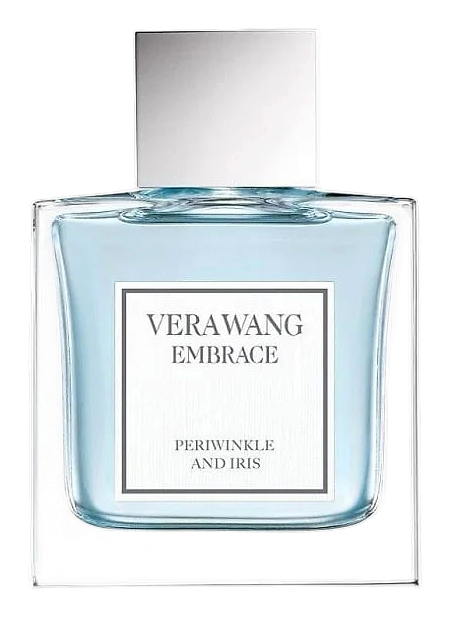
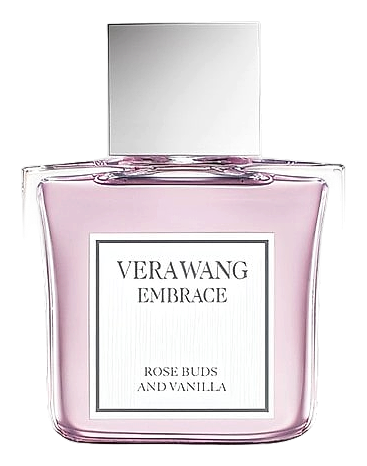
Embrace Rose Buds and Vanilla arrived in 2015 as part of Vera Wang's ongoing exploration of romantic narrative in fragrance. The concept was simple: take the most intimate part of a rose, the bud, compressed and concentrated, and pair it with a base that feels worn, not decorated. Perfumer Natasha Côté worked with the idea of contrast: the freshness of unopened petals against the depth of vanilla and sandalwood. The result is a fragrance that doesn't perform. It accompanies.
The blue iris in the heart is the structural surprise here. Iris reads cool, powdery, almost mineral, but paired with magnolia's broad floral warmth and cyclamen's green edge, it creates a middle stage that keeps the rose from becoming saccharine. On skin, this mid-section does the real work: it bridges the bright opening and the warm base without either side winning outright. That's unusual for a rose-vanilla composition, which typically leans one direction or the other.
The evolution
The opening arrives quick, mandarin's citrus flash, then the green bite of crushed rosebuds. That freshness lasts maybe twenty minutes before the florals take over: magnolia unfurls, cyclamen adds its subtle green note, blue iris brings the powder. The handoff from top to heart feels seamless because there's no gap, the rose doesn't disappear, it just softens. By hour two, vanilla and sandalwood have settled in. The musk keeps everything close to skin. The drydown on fabric is the tell: warm, soft, still recognizable six hours later as the rose-vanilla story, just quieter.
Cultural impact
Embrace Rose Buds and Vanilla arrived in 2015 as part of Vera Wang's broader strategy to extend the bridal luxury aesthetic into accessible fragrance. The Embrace line overall reflected a cultural moment when prestige branding and everyday self-care were beginning to merge, particularly for consumers who associated the Vera Wang name with wedding imagery and aspirational romance. The rosebud and vanilla pairing drew on a longstanding cultural shorthand for femininity and comfort, while the powdery iris heart added a complexity that kept the fragrance from feeling purely decorative.
The House
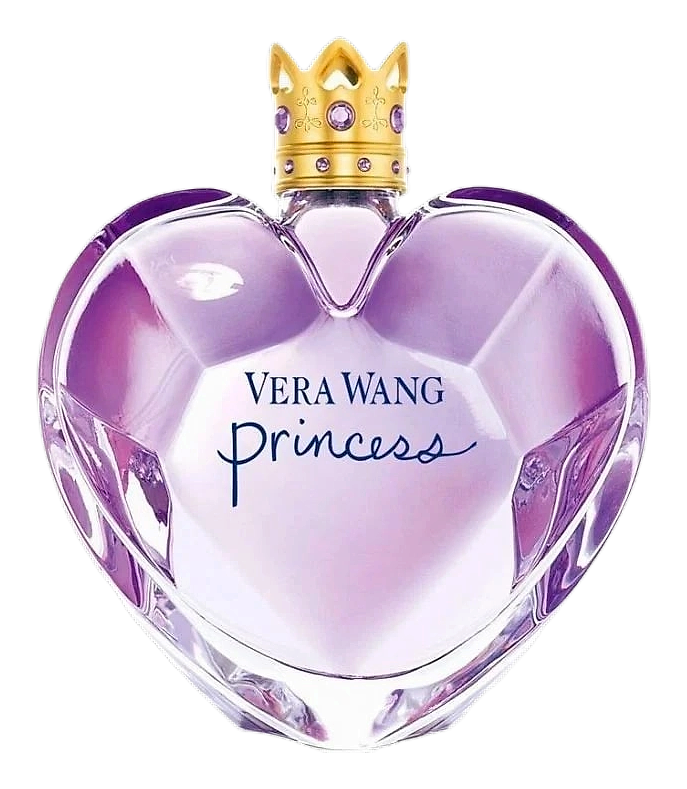
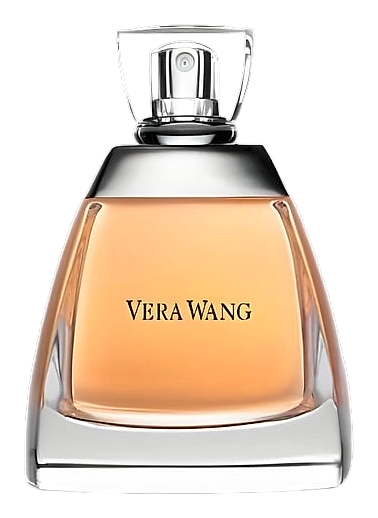
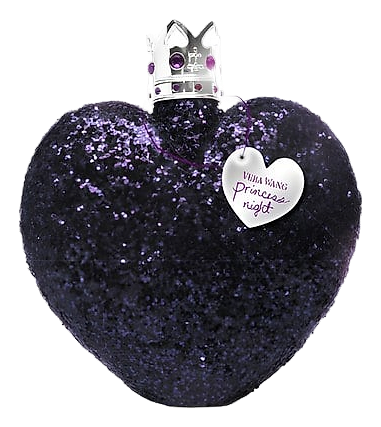
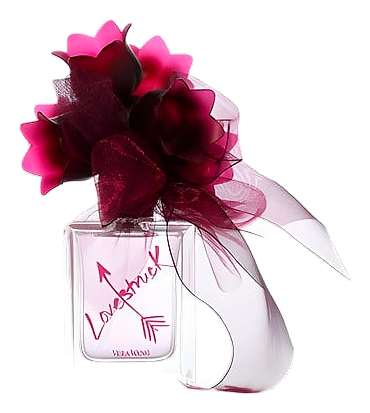
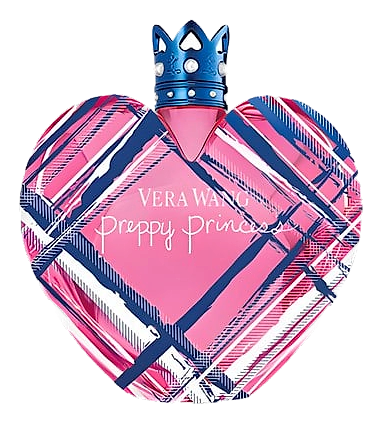
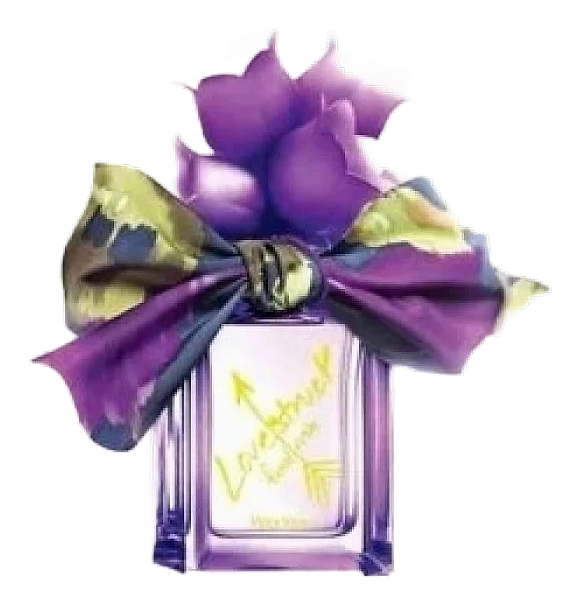
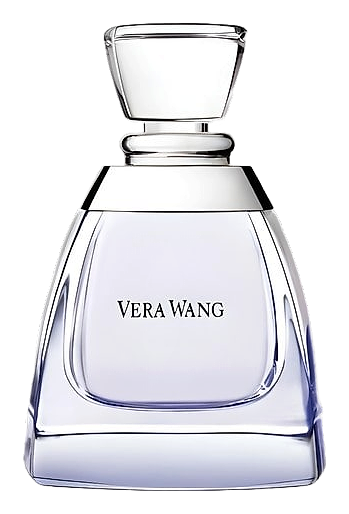
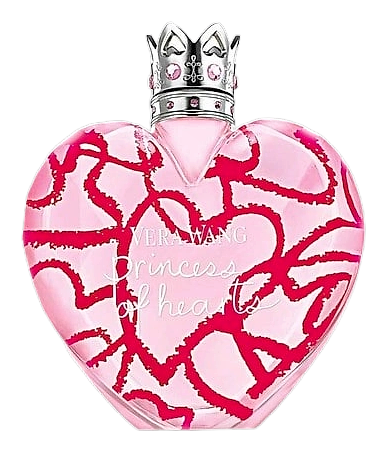
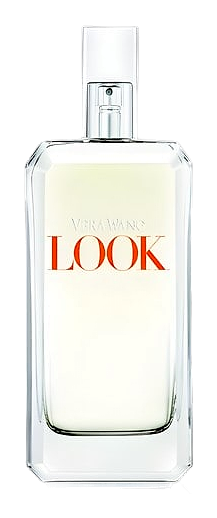
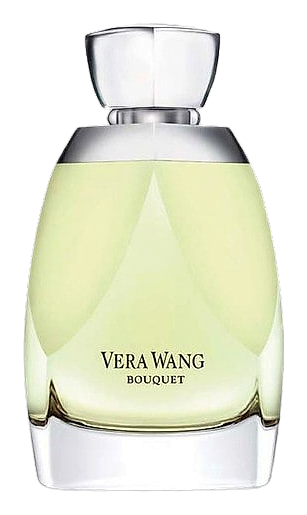
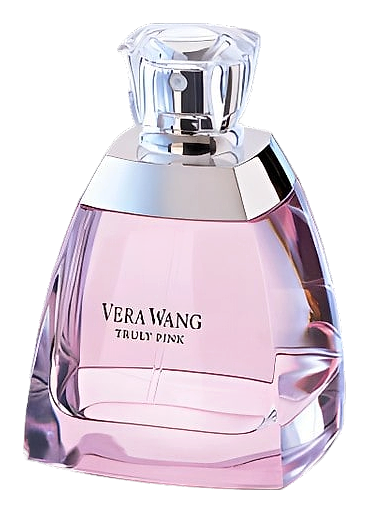
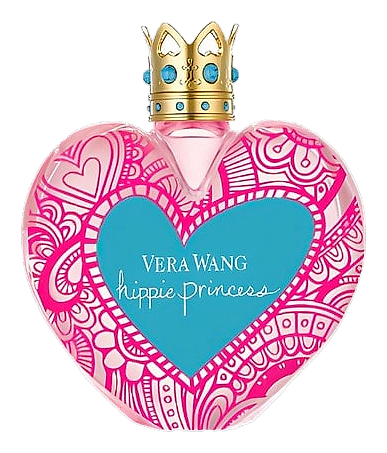
Vera WangVera Wang began as a bridal designer and grew into a lifestyle brand that includes ready‑to‑wear, accessories, home goods, and a line of fragrances. The perfume portfolio launched in 2002 with a floral scent created by Jean‑Claude Delville and Harry Fremont, and it now spans whimsical editions such as Hippie Princess (2015) and the recent Love Eau de Parfum (2025). Each fragrance reflects the brand’s blend of romance and modern edge, offering women a way to wear a signature moment beyond the aisle. The collection remains anchored in the designer’s reputation for clean lines, meticulous detail, and an unapologetic sense of personal style.
The Creator
Natasha CôtéHer work shows an affinity for contrasts. Recent creations include Peachy Oudy, which pairs stone fruit with the traditional depth of oud in a way that feels both luxurious and playful.