Blue Iris
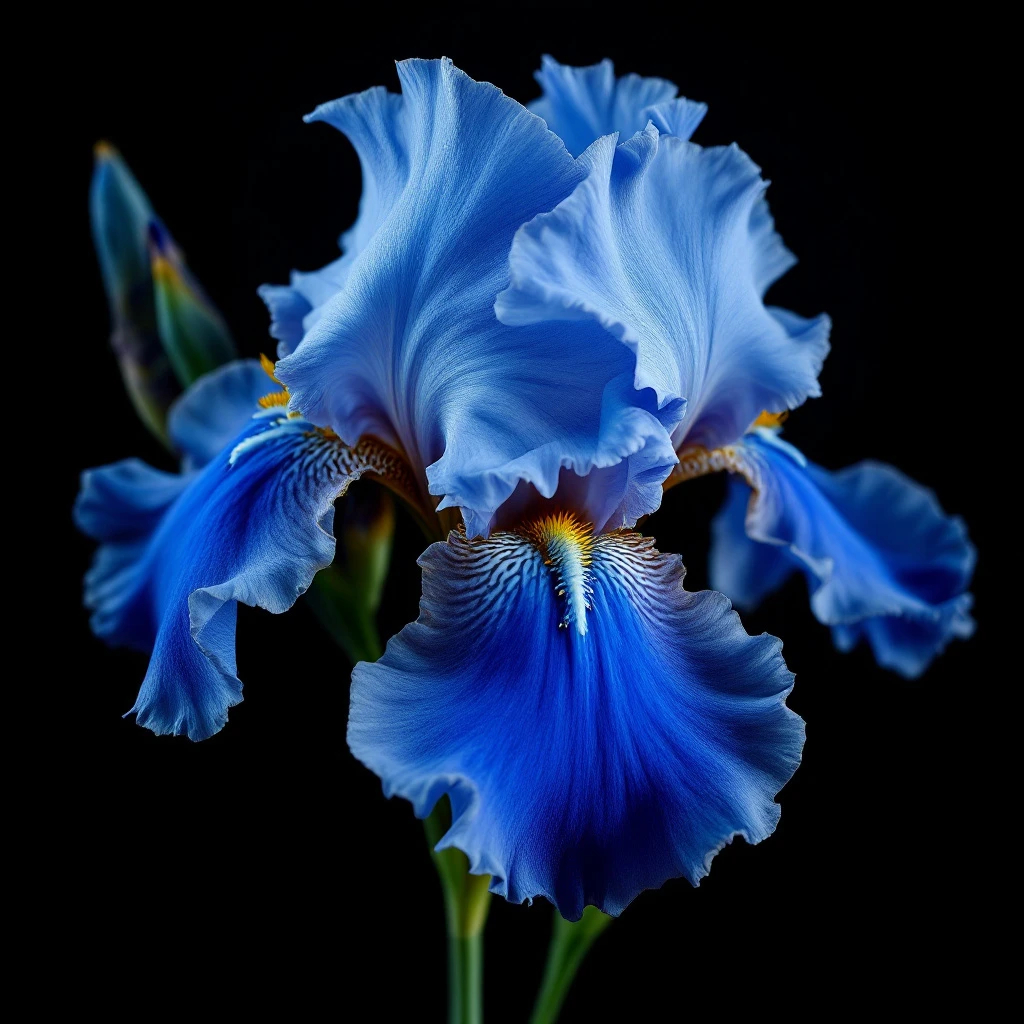
Blue Iris delivers the elegant, powdery-violet signature that perfumers chase across centuries. This precious orris material transforms fragrance into something quietly luxurious.
Character
How it smells
The violet-scented gold of perfumery
The rhizomes must cure for 3-6 years before distillation. Patience, not chemistry, creates this luxury.







Origin
Italy
Ancient Egyptian perfumers first incorporated orris into cosmetics and temple incense, recognizing its ability to anchor and round other scents. Roman physicians valued iris rhizomes for medicinal preparations.
The ingredient crossed into Western European perfumery during the Renaissance when Catherine de Medici ruled France, reportedly carrying iris powder to the French court. Italian growers near the village of San Polo in Tuscany established the premier cultivation region, where the climate and mineral-rich soil produce rhizomes with exceptional aromatic density.
By the 19th century, French perfumers developed the complex distillation techniques that transformed iris into the soft, powdery heart notes found in classic fragrances. The ingredient journeyed from ancient medicine to Renaissance court luxury to modern fine perfumery, never losing its reputation as something rare and precious.
Wears it best
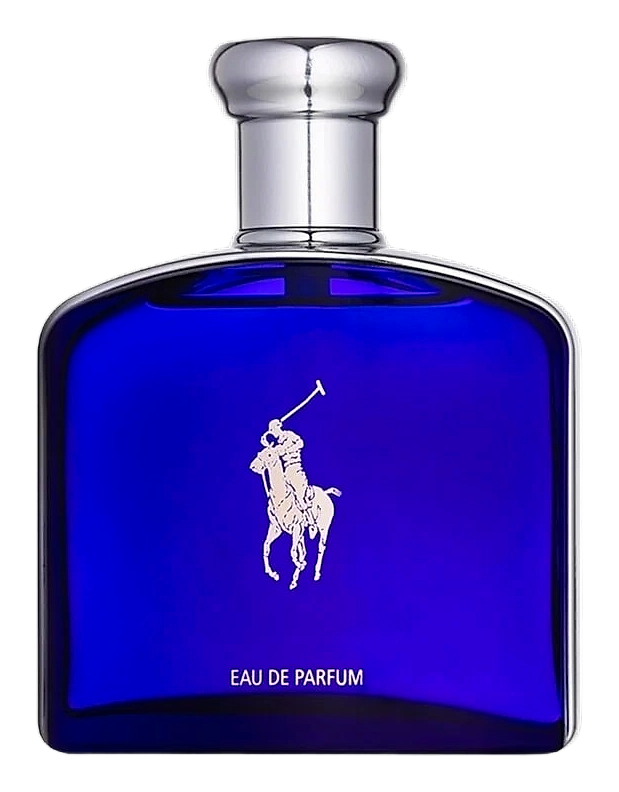
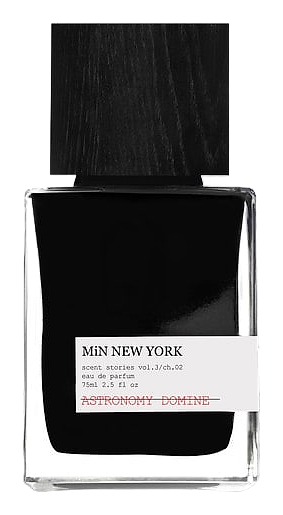
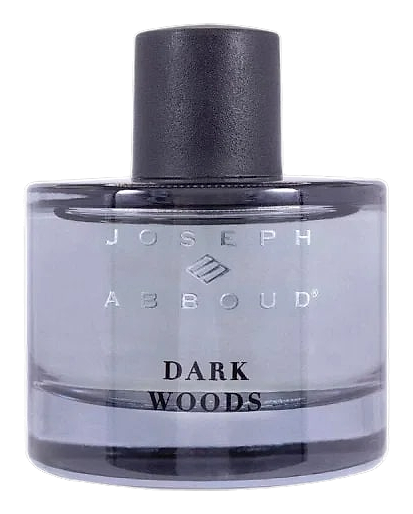
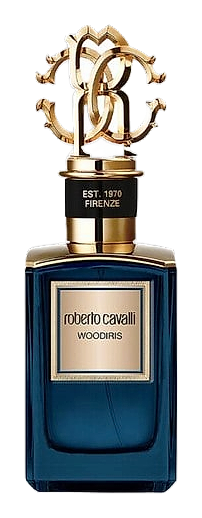
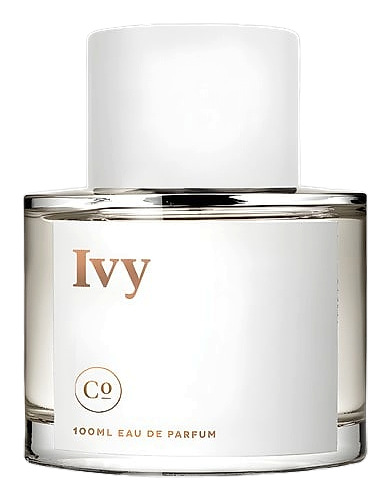
Fragrances featuring Blue Iris
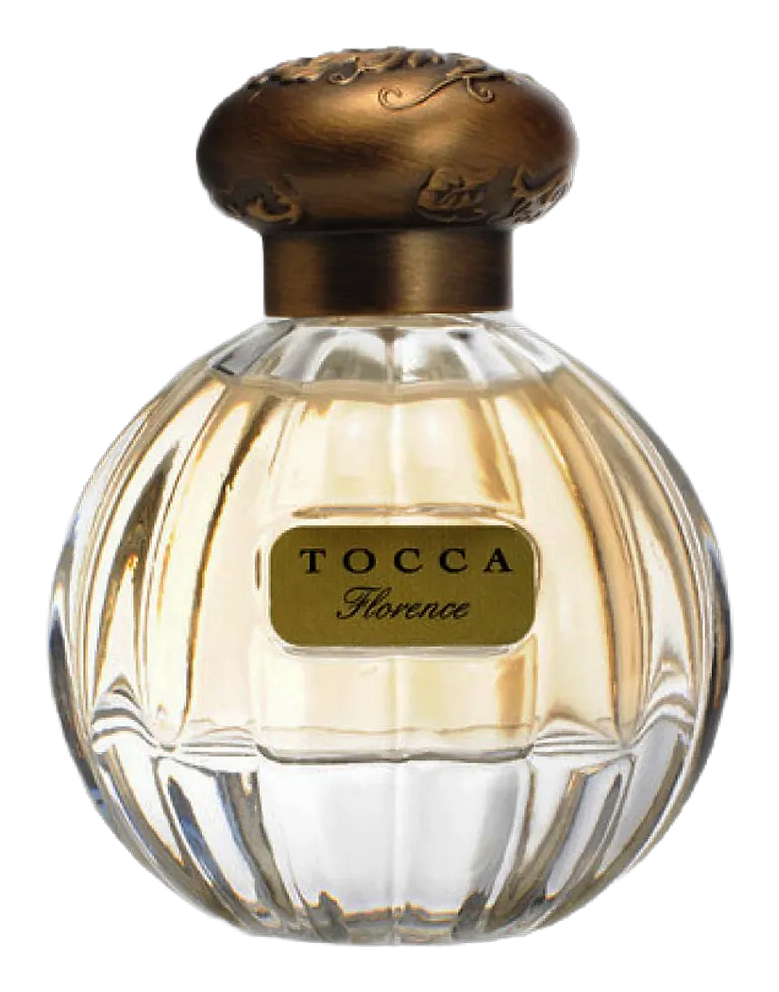
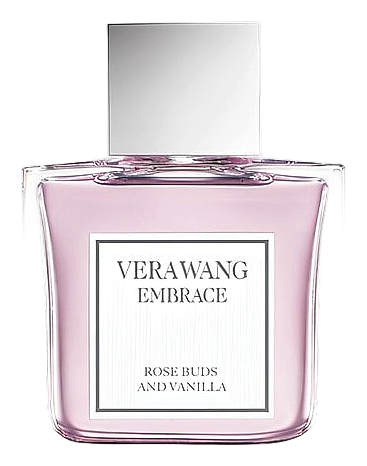
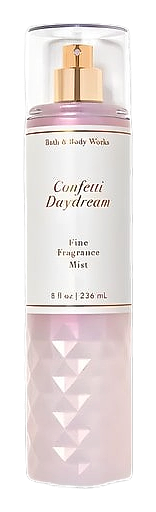
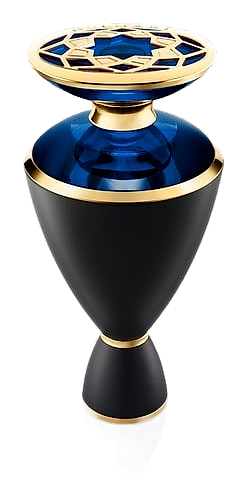
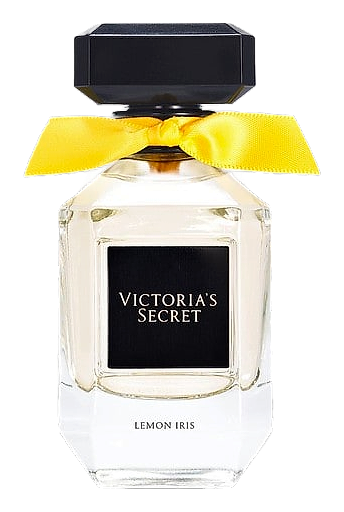
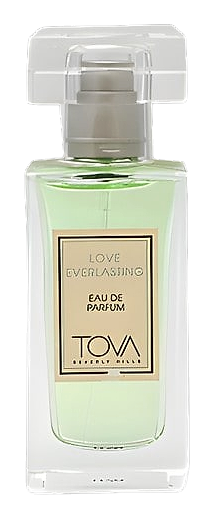
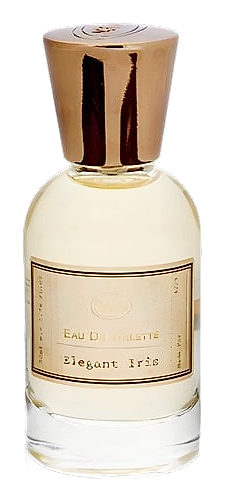
Brands
Brands known for Blue Iris
Good to know
Questions, answered
The essentials on Blue Iris in perfumery: how it smells, where it comes from, and how it behaves on skin.
What does Blue Iris smell like?
Blue Iris offers a powdery, soft floral scent with distinct violet and woody facets. The aroma feels clean, elegant, and slightly sweet without heaviness.
Why is orris so expensive?
Orris commands premium prices because the rhizomes require 3-6 years of curing before distillation. This extended timeline, combined with specific growing conditions and low yields, makes it one of the costliest natural materials in perfumery.
How long does it take to produce orris butter?
From planting iris rhizomes to extracting finished butter takes a minimum of 3 years, often longer. Most producers wait 5-6 years to ensure optimal aromatic development in the cured rhizomes.
Where does the finest iris grow?
The finest iris for perfumery grows in Tuscany, particularly near San Polo. Italian growers have refined cultivation techniques over centuries. Morocco and China also produce iris, but Tuscan orris remains the industry benchmark.
What creates the violet scent in iris?
Ironone is the primary aroma molecule in iris, responsible for its signature violet character. Irone, myristic acid, and various sesquiterpenes round out the scent profile, creating iris distinctive powdery elegance.
What fragrance families pair well with iris?
Iris complements florals like rose and jasmine, citrus notes including bergamot, woody bases such as sandalwood, and soft musks. It also harmonizes with vanilla and other powdery materials.
Does iris improve with age?
Orris butter improves with proper storage for decades. The curing process that develops its scent continues minimally after extraction, though the material remains stable for many years when protected from heat and light.
Are there alternatives to natural orris?
Violet leaf absolute captures some green-violet facets but differs from orris powderiness. Synthetic ionone provides a clean violet note at lower cost. These substitutes work in different positions than true orris heart notes.