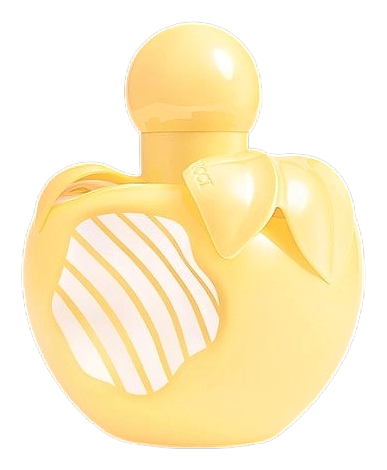

The Story
Why it exists.
The beginning
Soleil means sun in French. That word carries everything about this fragrance, its warmth, its brightness, its unapologetic cheerfulness. Released in 2022 as part of the Les Belles de Nina collection, Nina Soleil was created by perfumers Amandine Clerc-Marie and Olivier Cresp. Nina Soleil translates that spirit into scent, a fragrance that smells like the best part of a summer afternoon, when the light goes golden and everything feels possible. The opening is an immediate burst of sparkling citrus, mandarin orange so bright it practically glows, lifted by bergamot's subtle green bitterness. There's an effervescent quality to the top notes that feels sunny and optimistic, like stepping outside on a clear July day.
What makes Nina Soleil interesting is its structure. The top notes, mandarin orange and bergamot, are classics in citrus perfumery, reliable and bright. But the heart is where things shift. Gardenia is a challenging material; it's indolic, sometimes animalic, capable of veering into too much. Whipped cream, meanwhile, is gourmand territory, soft, sweet, edible. Putting them together creates a tension: gardenia's lush white floral quality against the comfort-food sweetness of cream. The vanilla in the base doesn't dominate; it lingers quietly, extending the drydown without announcing itself. Cedar adds a woody counterpoint that stops the whole composition from becoming too soft.
The evolution
The opening hits immediately, mandarin orange so bright it almost stings, bergamot adding a bitter green edge. For the first moments, it's crisp and clean, citrus that could belong to any competent summer fragrance. Then the hand-off begins. The tartness softens as the whipped cream note emerges, rounding the edges. Gardenia arrives next, not overpowering but present, lending its characteristic lush white floral quality to the composition. By the later stages, the citrus has receded entirely. What remains is creamy, slightly sweet, intimate. The vanilla and cedar take over slowly, extending the wear considerably. By the end, it's a soft skin scent, the kind you only notice when you're very close, a whisper rather than a statement.
Cultural impact
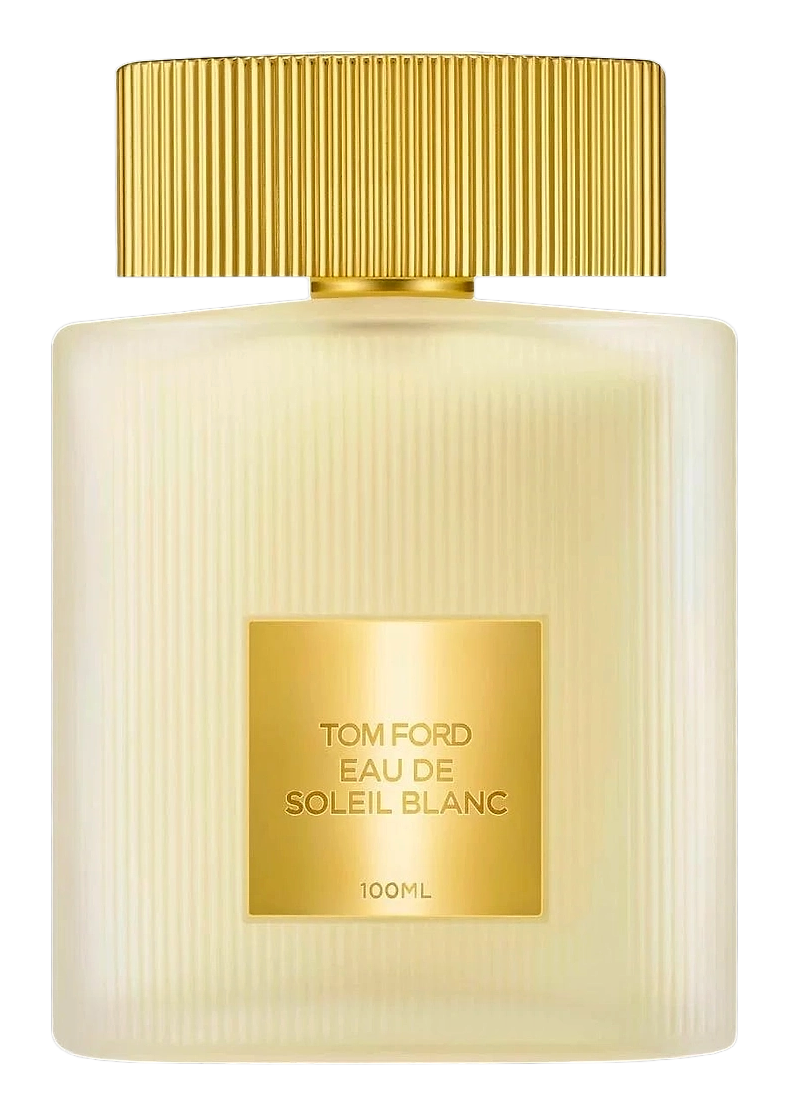
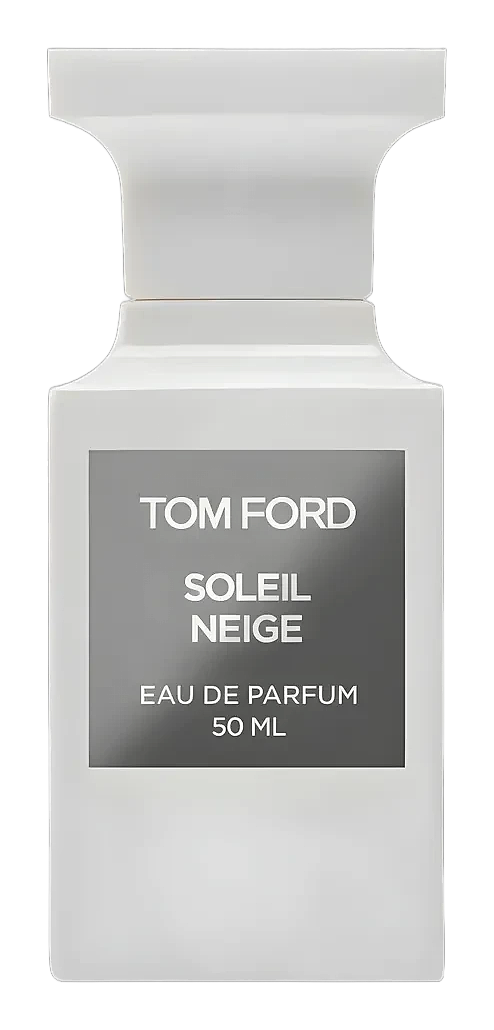
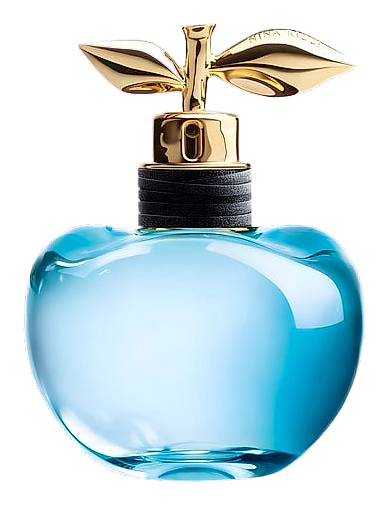
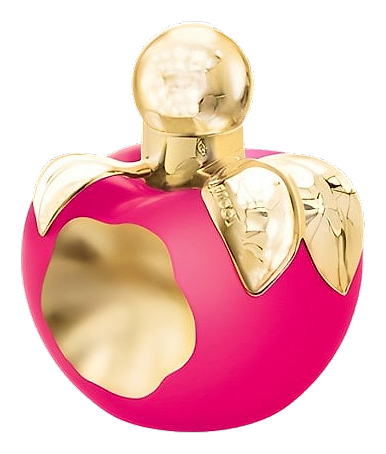
Nina Soleil has found its place among the fragrances that reviewers consistently compare to Tom Ford Soleil Blanc, earning favorable mentions for its quality relative to its price point. It's a crowd-pleaser by design: pleasant, summery, and easy to wear. The fragrance invites discovery rather than demanding attention. The bright yellow bottle has become a recognizable fixture in the Nina Ricci fragrance line, its design drawing from the house's visual heritage while adding a contemporary touch.
The House
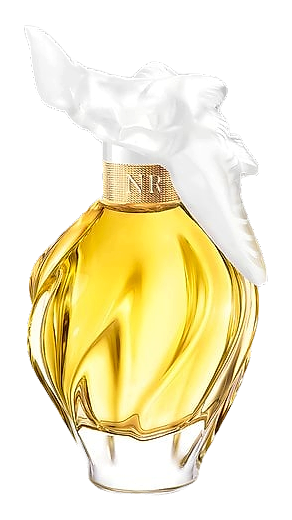
Nina RicciNina Ricci is a Parisian fashion house founded in 1932 by Italian-born designer Maria "Nina" Ricci and her son Robert Ricci. The house began as a couture salon on Rue Haussmann, quickly establishing a reputation for refined, feminine gowns with romantic sensibility. Robert established an in-house perfume division in 1941, though the first fragrance would not arrive until 1946. That inaugural scent, Coeur Joie, marked the beginning of a partnership with Lalique that would define the house's olfactory identity. The house introduced its most celebrated fragrance, L'Air du Temps, in 1948, a scent that remains in production decades later. Puig acquired Nina Ricci in 1998, bringing the house under the same ownership that manages Carolina Herrera and Jean Paul Gaultier. Today, the fragrance collection spans from timeless classics to contemporary offerings like the Nina line, maintaining the house's commitment to feminine elegance.
The Creator
Amandine Clerc-Marie & Olivier CrespWhile it's difficult to pin down a single, defining characteristic across her entire body of work, a certain smoothness and refinement seem to be consistent themes. She appears to favor well-blended compositions, where individual notes harmonize to create a cohesive whole.