The Story
Why it exists.
The beginning
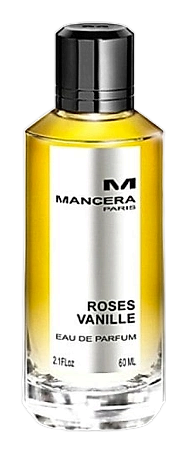
Roses Jasmine arrived in 2012 as the house extended its range. The name suggested roses; the reality was jasmine, bright and dominant, carried on a citrus-fruit opening. This wasn't a retreat into softness. It was a signal that the house could do white florals with conviction. Mancera was proving that a generous spirit could wear a floral dress.
The note structure is where Roses Jasmine earns its unusual character. The opening is built around pear and mandarin, a fruity touch of sorts, one that keeps the jasmine from arriving too conventionally. The heart features patchouli, which grounds the jasmine and rose, giving the composition a complexity that prevents it from reading as purely soft. Then there's oakmoss in the base, with cedar adding woody warmth that rounds out the drydown.
The evolution
The opening hits fast. Mandarin, pear, a flash of lemon, clean and bright, with grass adding a green crispness that keeps the fruit from being sweet. The jasmine doesn't wait politely for its turn. It arrives with fruity freshness, backed by rose and orange blossom, and it stays. The citrus fades; the jasmine doesn't. As the heart settles, patchouli emerges as a quiet anchor, earthy, warm, adding weight without darkening the composition. By hour two, the drydown begins its slow reveal. Jasmine remains, but it's deeper now, closer to skin. White musk arrives as a soft clean note, and cedarwood adds a woody presence that feels refined rather than masculine. The oakmoss is the surprise, a cool, mineral undertow that lingers close, adding an unexpected undertone to what could have been a straightforward floral.
Cultural impact
Roses Jasmine offers a different facet of the brand's character. The jasmine-forward composition with its unexpected patchouli and oakmoss drydown appeals to those drawn to white florals with presence and complexity. It sits outside typical expectations, not safe, not shy, but refined.