
The Story
Why it exists.
The beginning
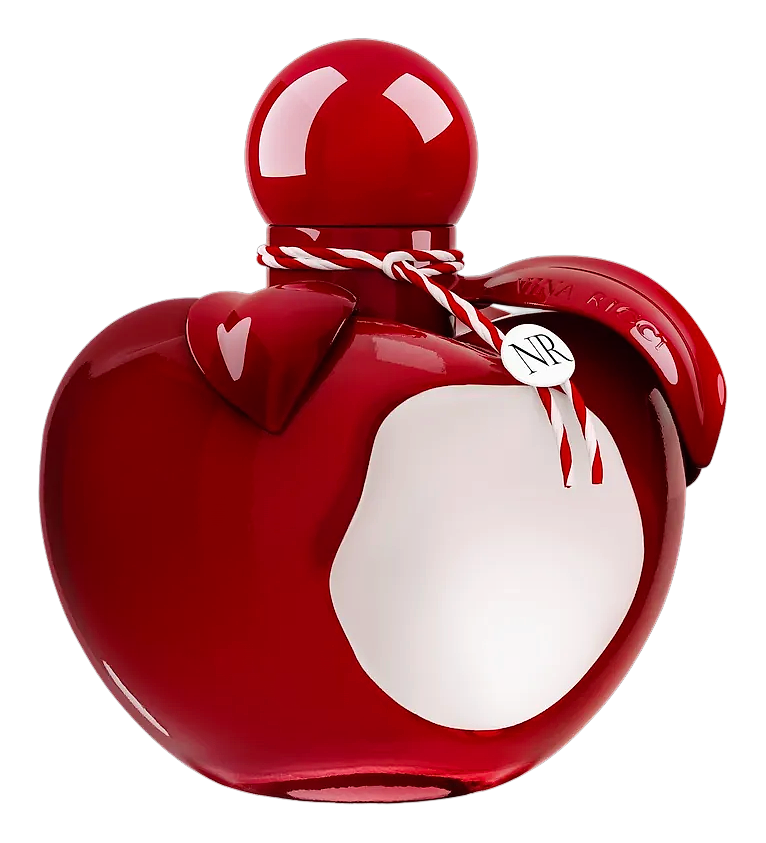
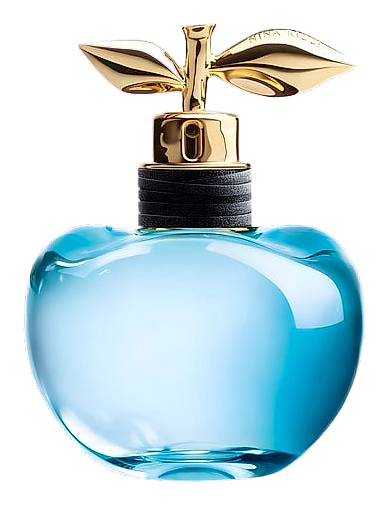
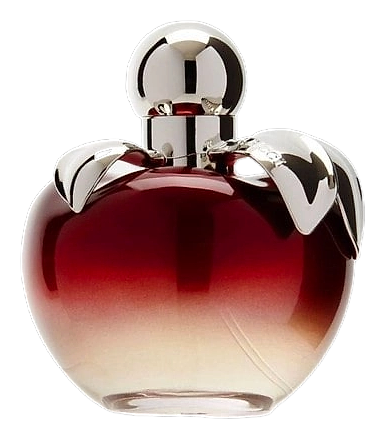
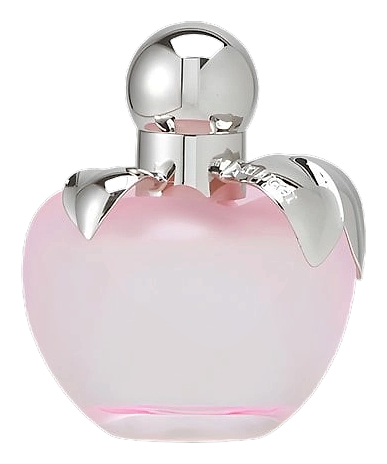
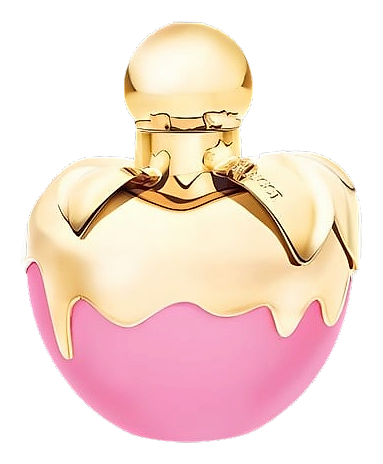
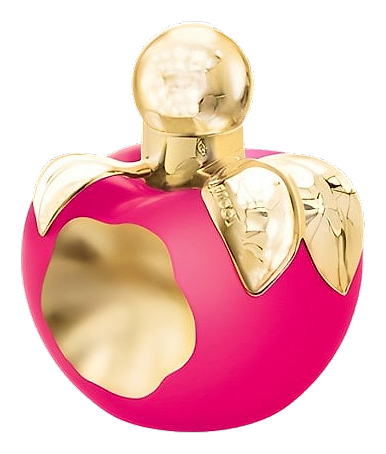
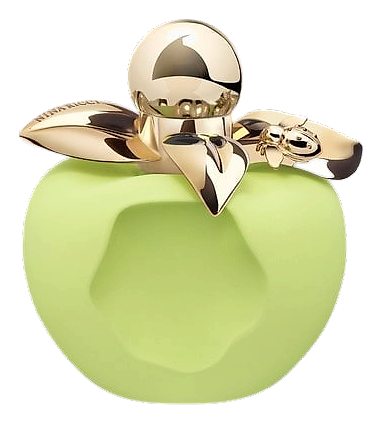
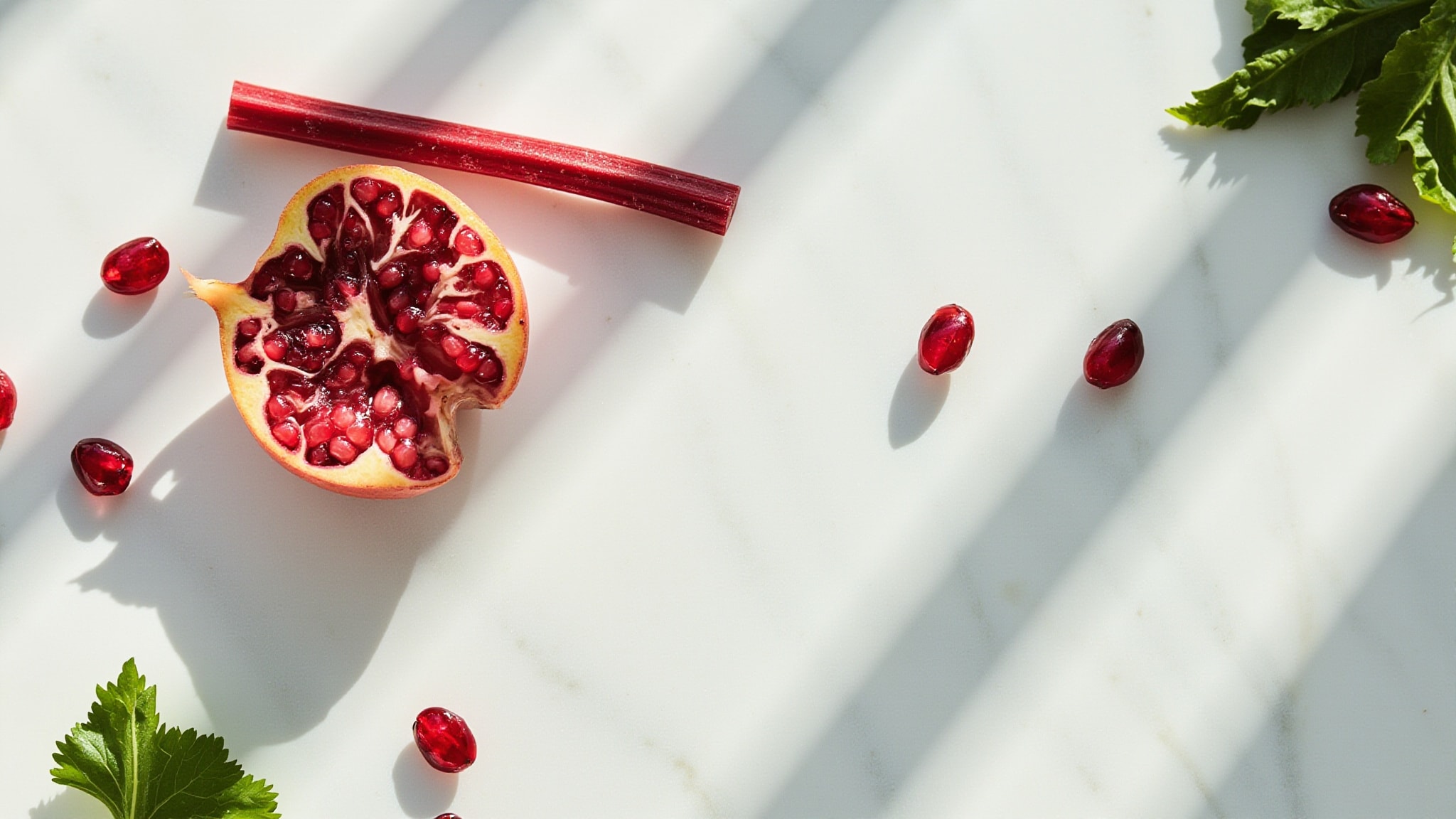
Les Sorbets de Bella arrived in 2019 as part of Nina Ricci's Les Belles de Nina collection, limited editions made in homage to Amorino ice cream. Sonia Constant created Les Sorbets de Bella, translating the sorbet concept into liquid form. Her mandate was a sorbet, not a dessert. Constant built Les Sorbets de Bella around acidity and chill, using rhubarb and pomegranate as the backbone, then layering in shiso leaf for an aromatic greenness that most summer fragrances skip entirely. Rose jam appears in the heart, but it arrives sweet and restrained, more jelly than bloom. The ice cream reference wasn't decorative. It was structural.
What makes Les Sorbets de Bella work isn't the individual notes, rhubarb and grapefruit appear in dozens of fragrances, it's the architecture. The top opens tart and stays tart. There's no gradual softening into sweetness. The shiso leaf in the heart doesn't round the edges; it sharpens them, adding a green, slightly medicinal quality that makes the rose jam read as jammy rather than powdery. This is the unusual part: shiso arrives mid-drydown, when you'd expect the composition to soften, and instead it keeps the fragrance's character consistent from open to close.
The evolution
Les Sorbets de Bella opens with rhubarb leading, tart, slightly metallic, the kind of sour that makes your mouth water. Grapefruit arrives within seconds, amplifying the brightness. Pomegranate adds a deeper fruitiness underneath, but it's not sweet; it's the dark, slow kind of fruit that keeps the composition from reading as candy. Green mandarin is the lightest note, a brief citrus flicker that prevents the opening from feeling too sharp. The heart takes over and rose jam is the anchor here, jam, not fresh rose, which means it's been cooked down, concentrated, slightly sweet. Violet leaf adds an aromatic green quality that bridges the top and heart without any harshness. The shiso leaf is the most interesting part of this phase: it doesn't smell like grass or herbs in the way you'd expect.
Cultural impact
Les Sorbets de Bella sits in the sweet spot between fruity and green, refreshing without being one-note, floral without being powdery. The shiso leaf gives it an unusual aromatic quality that sets it apart from straightforward citrus or rose soliflores. It occupies a space that feels both accessible and distinctive, offering complexity without feeling overwrought.
The House
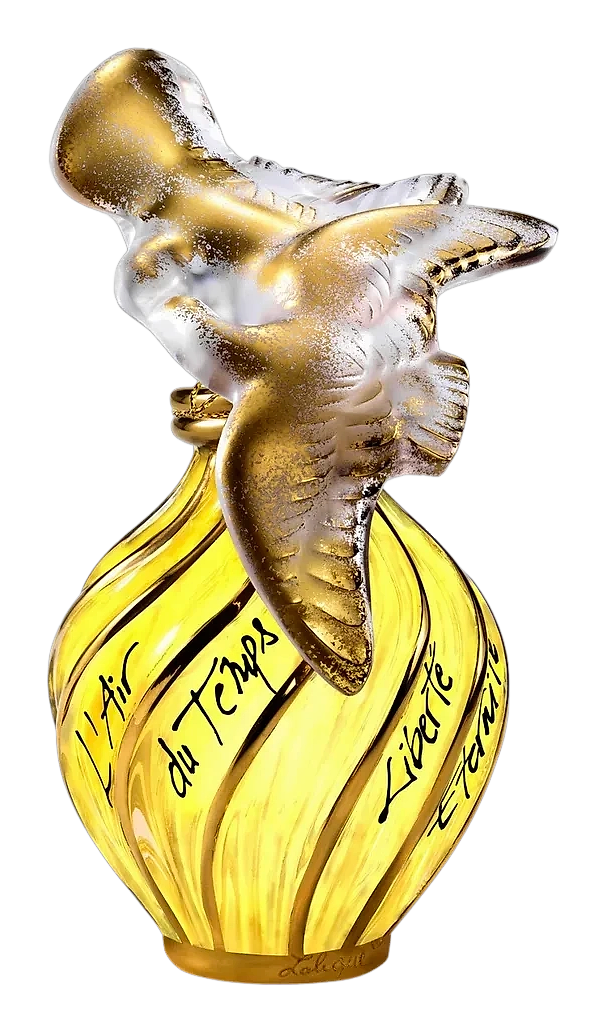
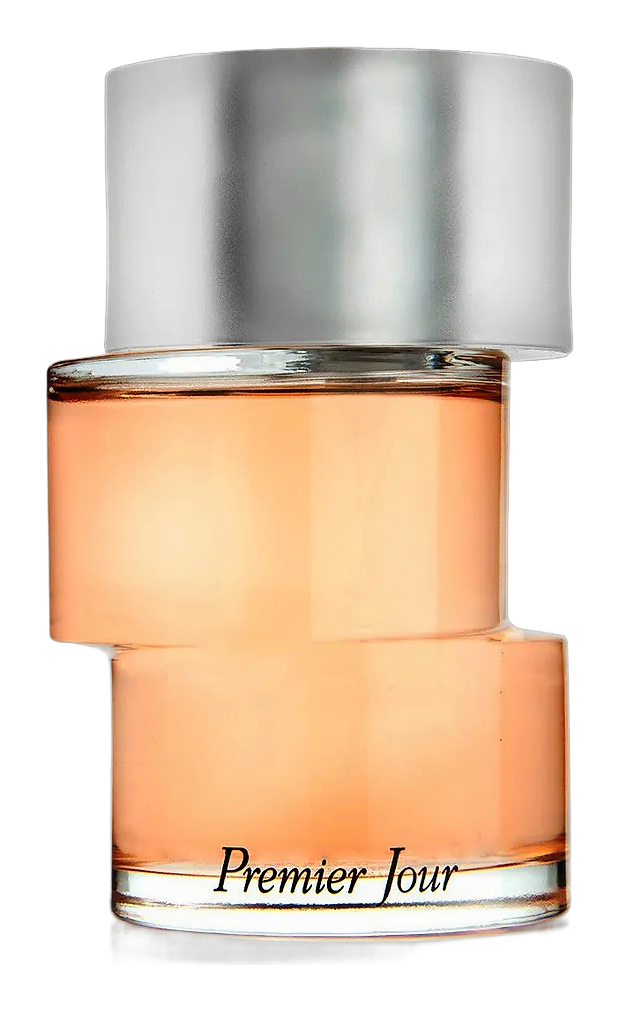
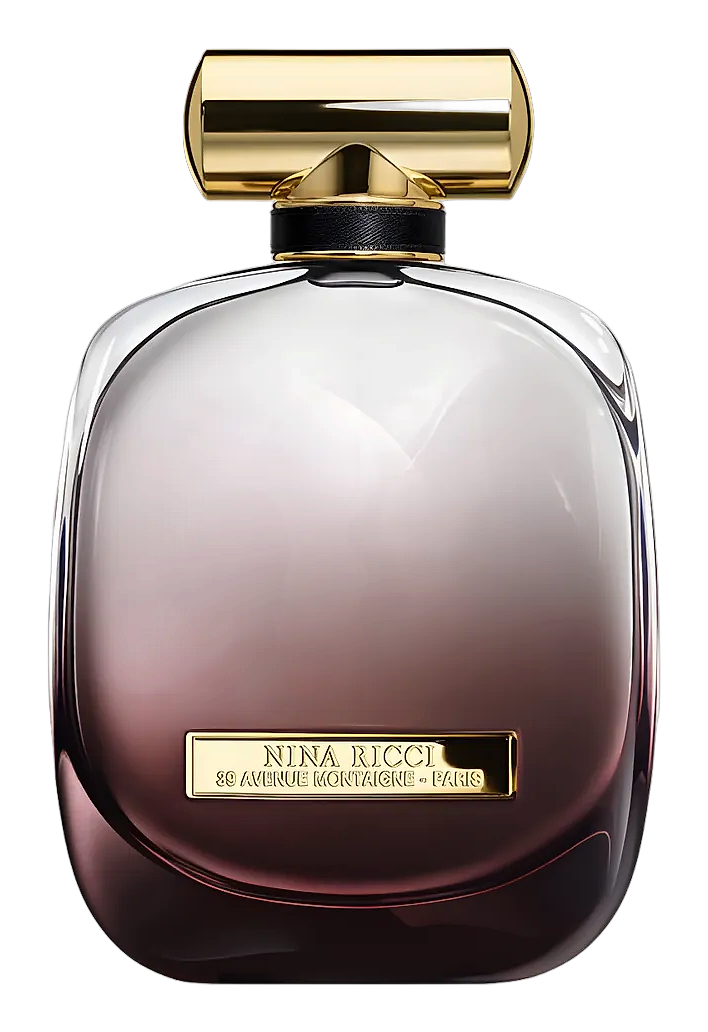
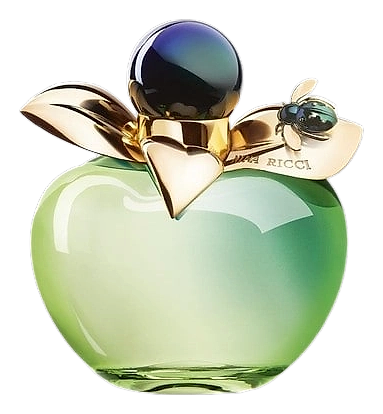
Nina RicciNina Ricci is a Parisian fashion house founded in 1932 by Italian-born designer Maria "Nina" Ricci and her son Robert Ricci. The house began as a couture salon on Rue Haussmann, quickly establishing a reputation for refined, feminine gowns with romantic sensibility. Robert established an in-house perfume division in 1941, though the first fragrance would not arrive until 1946. That inaugural scent, Coeur Joie, marked the beginning of a partnership with Lalique that would define the house's olfactory identity. The house introduced its most celebrated fragrance, L'Air du Temps, in 1948, a scent that remains in production decades later. Puig acquired Nina Ricci in 1998, bringing the house under the same ownership that manages Carolina Herrera and Jean Paul Gaultier. Today, the fragrance collection spans from timeless classics to contemporary offerings like the Nina line, maintaining the house's commitment to feminine elegance.
The Creator
Sonia ConstantConstant's style is often described as daring and complex. She's unafraid to use powerful ingredients and unexpected combinations, resulting in fragrances that are memorable and impactful.