Rose Jam
Rose Jam captures the lush sweetness of freshly harvested rose petals blended with ripe fruit sugar, delivering a bright, edible rose accord that brightens modern compositions.

Character
How it smells
Sweet rose, reimagined as a jam‑like accord.
The first rose jam accord appeared in a 2005 niche perfume, where perfumers combined rose absolute with a natural apricot concentrate to mimic a rose‑filled jam jar.







Origin
Bulgaria
Rose has scented human culture for millennia. Ancient Egyptians distilled rose water for temple rites, and Persian alchemists refined the process into fragrant attars that traveled along Silk Road caravans. By the 18th century, Grasse in France became Europe’s perfume capital, where workers hand‑striped petals to produce rose otto for royal courts.
The 19th‑century Bulgarian Rose Valley eclipsed earlier centers, delivering over 70 % of the world’s rose absolute by the early 1900s. In 1895 chemists synthesized the first laboratory rose scent, yet natural rose remained prized for its depth. The early 2000s saw perfumers explore gourmand accords, mixing edible concepts with classic florals.
Rose jam emerged in 2005 as a hybrid, marrying the timeless rose heart with apricot, sugar, and fruit notes to evoke a freshly opened jam jar. Since then, the accord has appeared in dozens of niche collections, marking a shift toward playful, edible‑inspired florals while honoring the rose’s historic legacy.
Wears it best
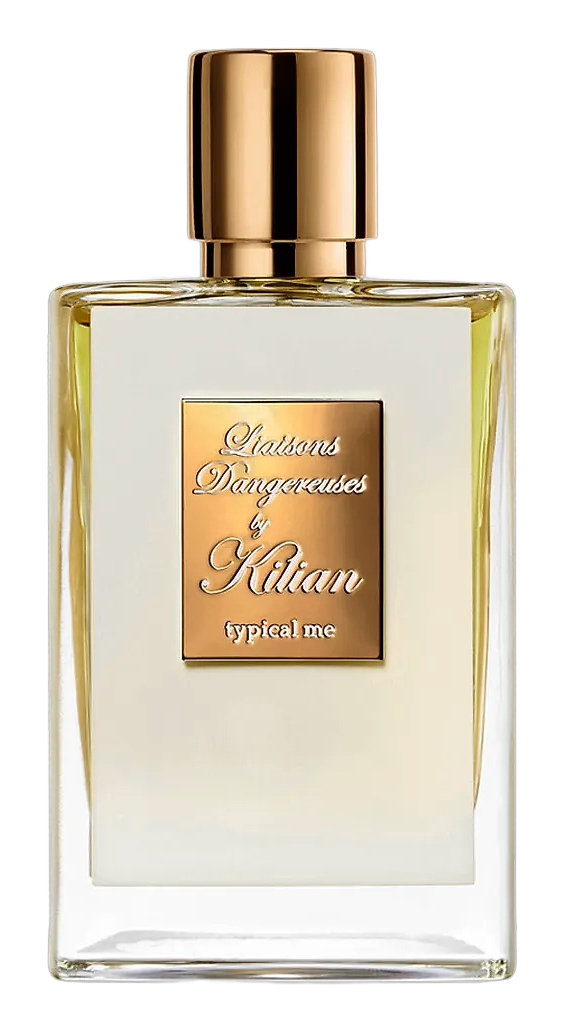
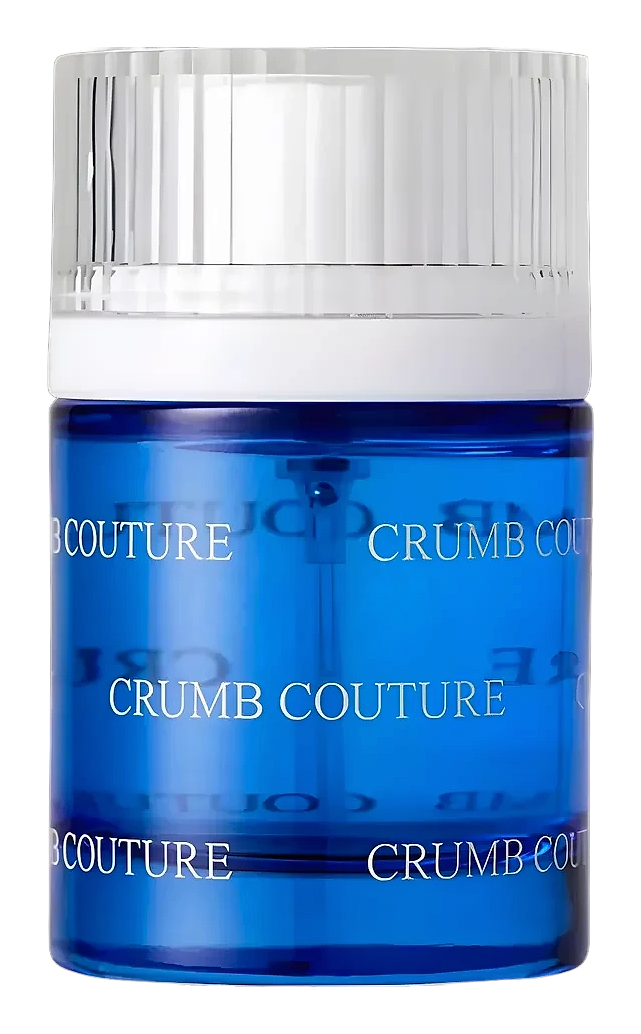
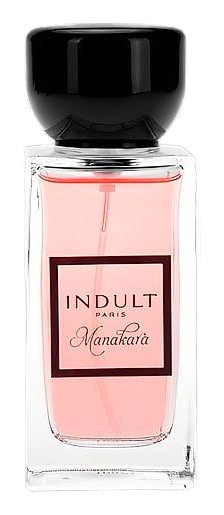
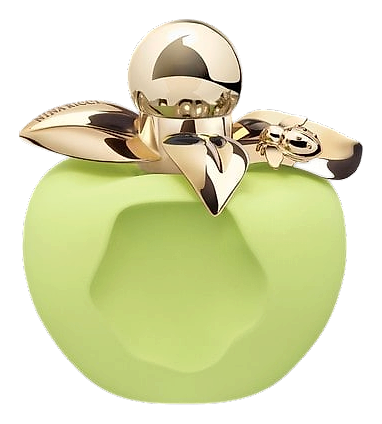
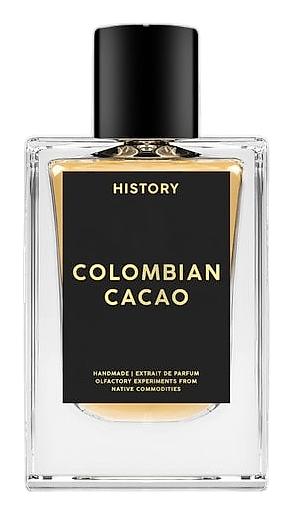
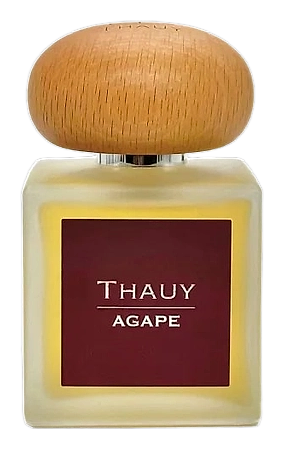
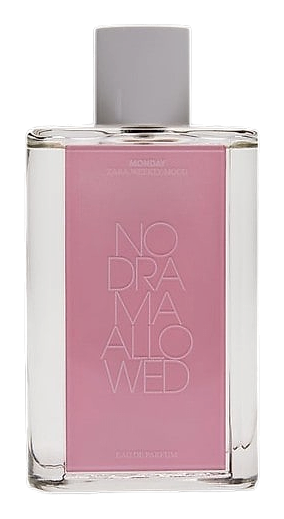
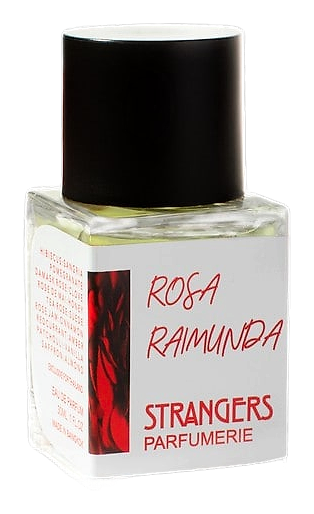
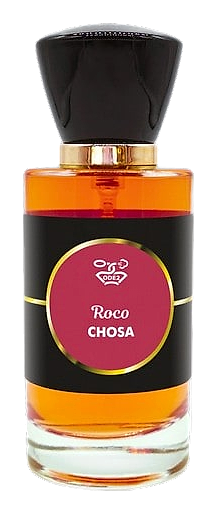
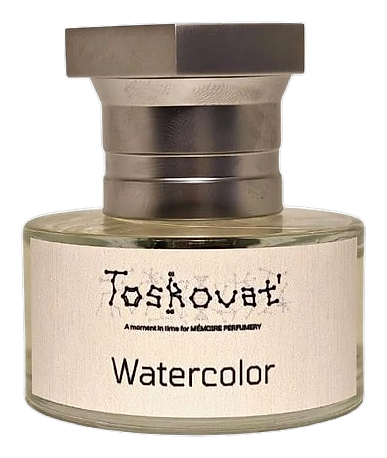
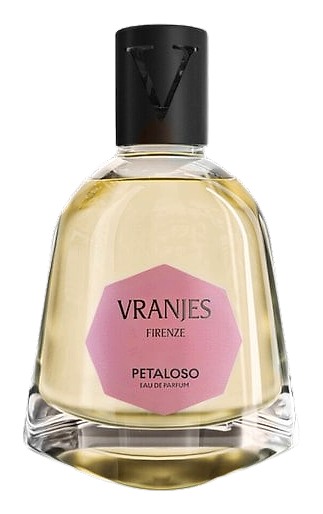
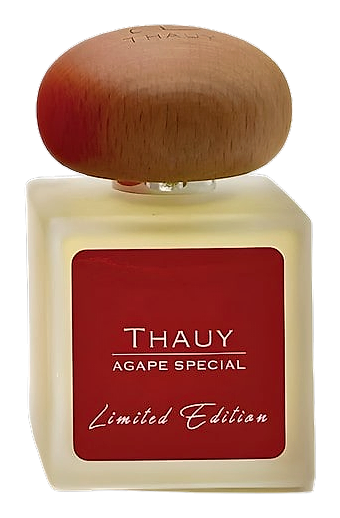
Fragrances featuring Rose Jam
Brands
Brands known for Rose Jam
Good to know
Questions, answered
The essentials on Rose Jam in perfumery: how it smells, where it comes from, and how it behaves on skin.
What is rose jam in perfumery?
Rose jam is a gourmand accord that blends rose absolute with sweet fruit and sugar notes, creating a confection‑like rose scent. In 2005, perfumers introduced it in a niche fragrance, marking the first commercial use of the term.
How does rose jam differ from pure rose oil?
Rose jam adds sugar and fruit layers to the pure rose oil, shifting the profile from classic floral to a bright, edible sweetness. A 2018 analysis showed the jam accord contained 15 % added apricot ester alongside 85 % rose absolute.
Is rose jam natural or synthetic?
Rose jam can be crafted from natural rose absolute and natural fruit extracts, but many houses use synthetic apricot or sugar esters for consistency. In 2020, 62 % of rose jam accords reported at least one synthetic component.
Which extraction method yields the base rose for jam?
Solvent extraction produces a rich rose absolute that forms the base of rose jam. In 2019, French labs reported a 12 % yield of absolute from 1 kg of Bulgarian rose petals using hexane. The method preserves the petal’s delicate aromatics better than steam distillation.
What scent profile does rose jam add to a fragrance?
Rose jam contributes a bright, sweet, slightly fruity rose that feels like a freshly opened jam jar. A 2022 sensory panel recorded a top‑note intensity of 7.8 on a 10‑point scale for the jam accord in a mixed composition.
Can rose jam be used in vegan formulations?
Rose jam works in vegan perfumes when the creator selects plant‑derived sugars and fruit extracts. In 2021, a leading vegan brand listed rose jam among its 14 certified‑vegan accords. The formulation avoids animal‑derived glycerin or ambergris.
How stable is rose jam in a perfume composition?
Rose jam remains stable for up to 18 months when stored away from light and heat. A 2019 stability test showed less than 5 % degradation of its apricot ester after 12 months at 25 °C. This makes it suitable for both niche and mainstream releases.
Where are the primary rose fields for rose jam sourced?
Most rose jam bases come from the Rose Valley in Bulgaria, where the climate yields high‑oil petals. In 2022, Bulgarian farms harvested 1,200 tonnes of roses, supplying over 70 % of global rose absolute used in jam accords.



