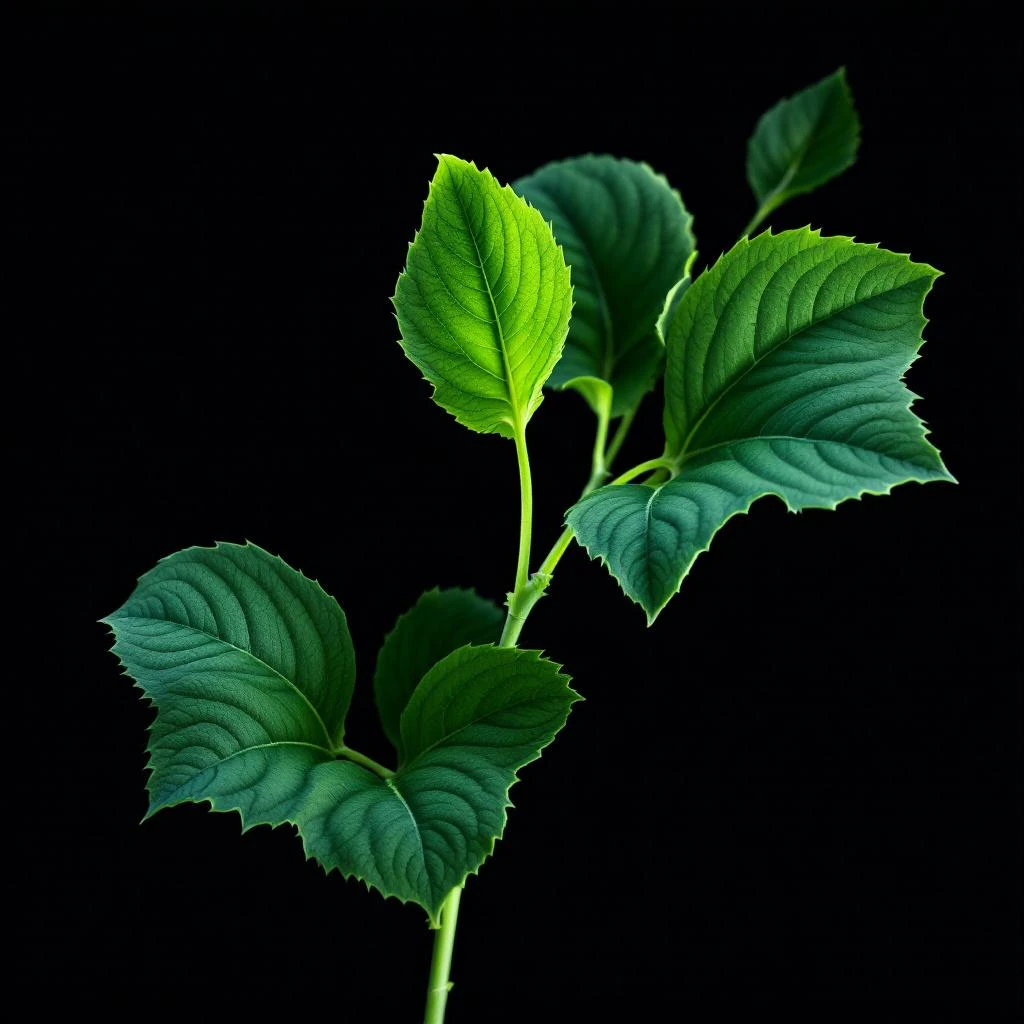
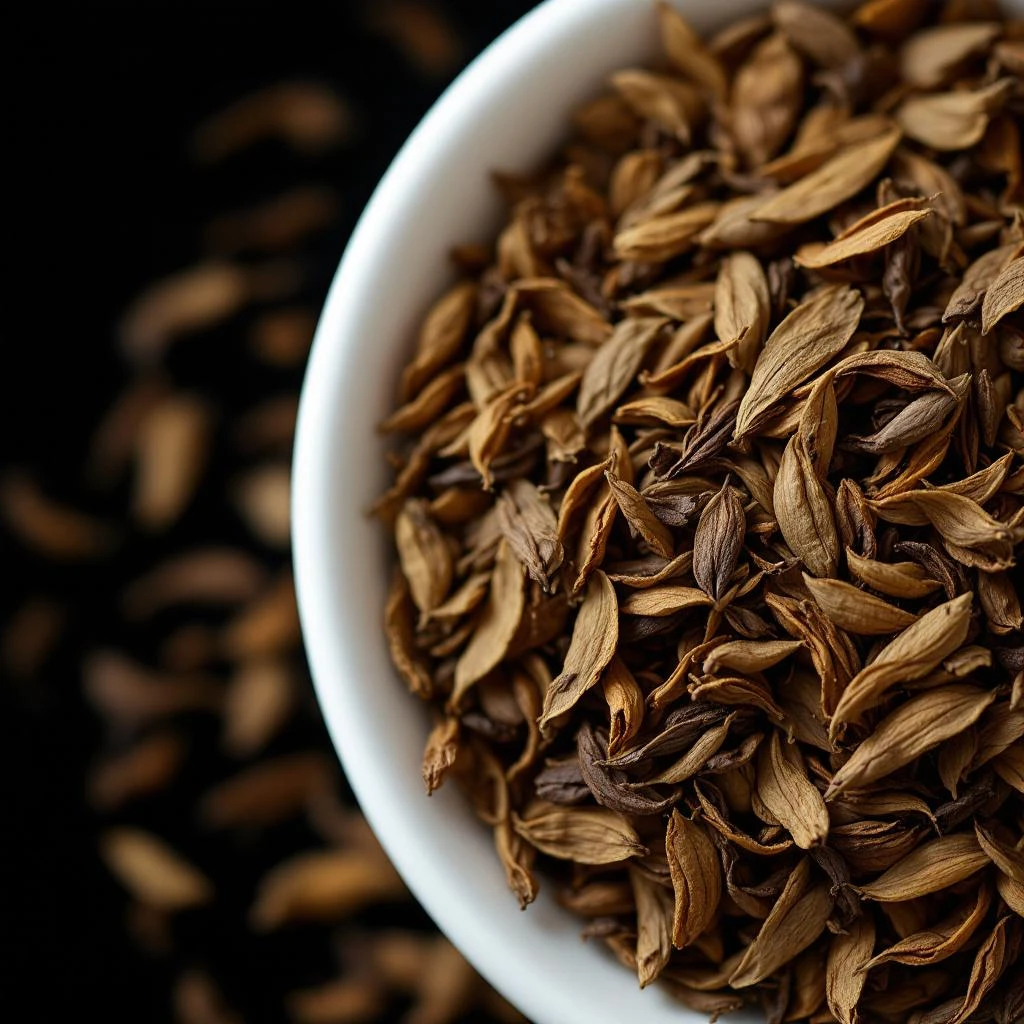
Shiso Leaf
Shiso leaf delivers a crisp, herbaceous aroma tinged with citrus and pepper, offering a fresh lift that brightens both aromatic and oriental compositions.
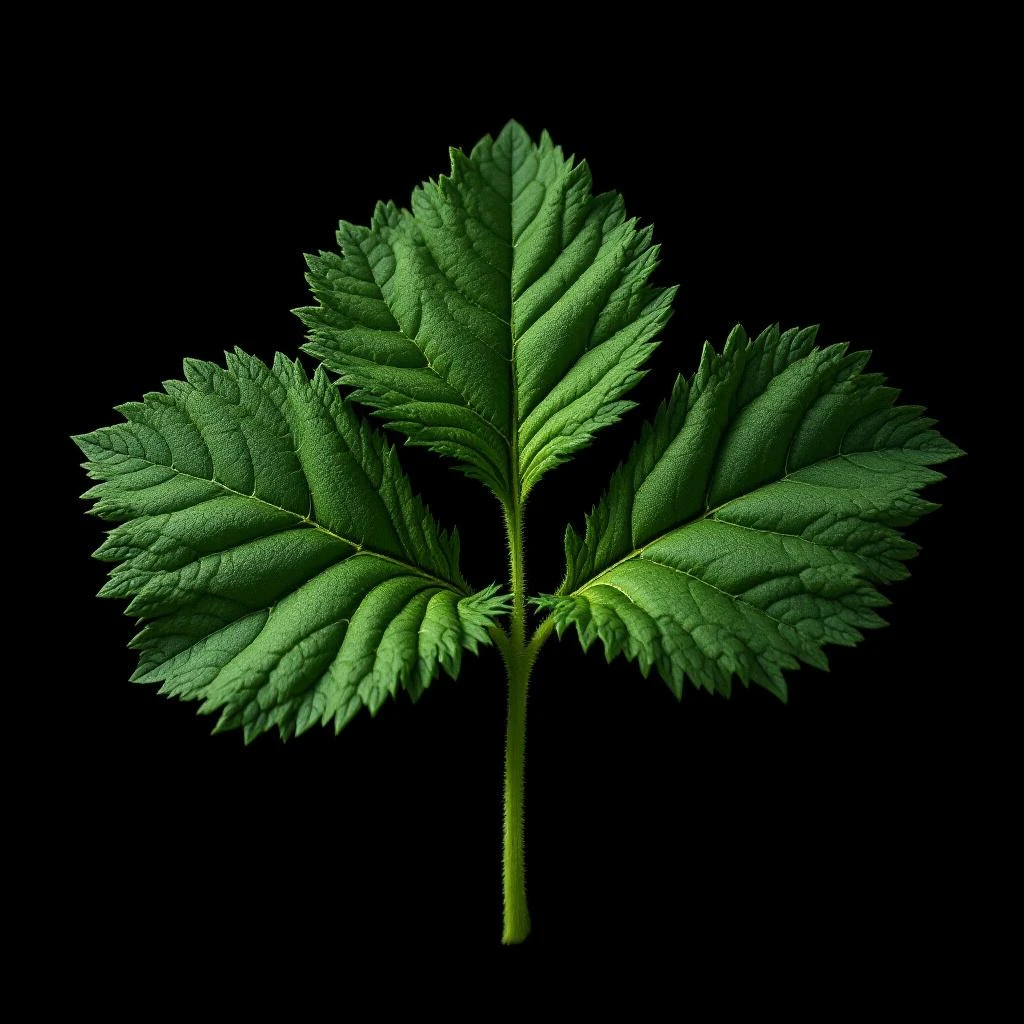
Character
How it smells
Green spice that awakens the senses.
Shiso leaves are a staple in Japanese cuisine, yet their essential oil was first recorded in perfumery archives in the early 1900s, bridging culinary and aromatic traditions.









Origin
China
Shiso, known scientifically as Perilla frutescens, grew in the mountainous regions of China and India before spreading to Japan, Korea, and Southeast Asia. Historical texts from the Tang dynasty mention its use as a medicinal herb, prized for its cooling properties. Japanese monks introduced shiso to temple gardens in the 8th century, where it served both culinary and incense purposes.
By the Meiji era, shiso leaf oil appeared in early Japanese fragrance formulas, offering a local alternative to imported green notes. The plant's dual role in food and scent helped it survive cultural shifts, and modern natural perfumery now revisits this heritage ingredient for its distinctive green profile.
Wears it best
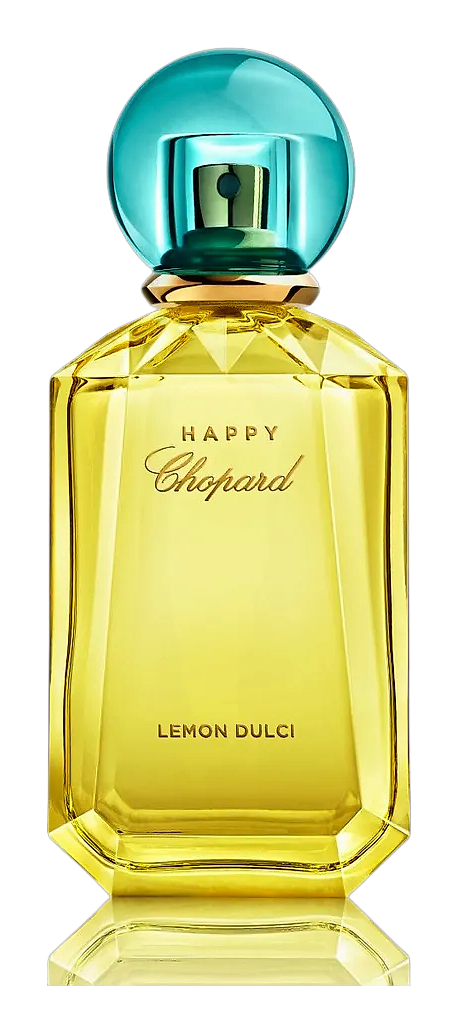
Fragrances featuring Shiso Leaf


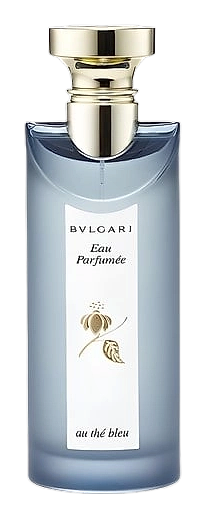
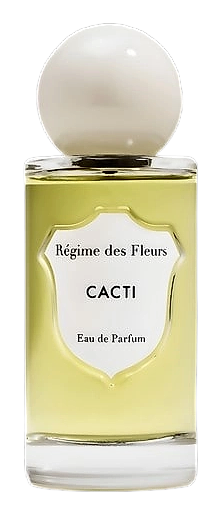
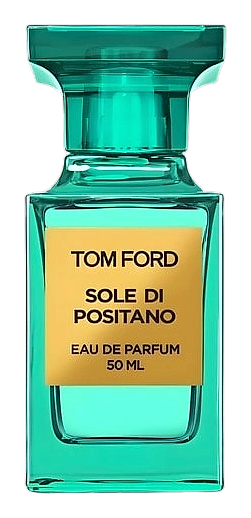
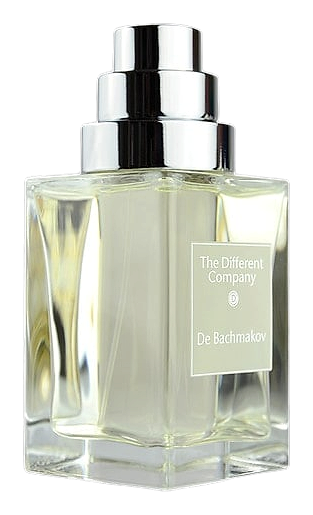
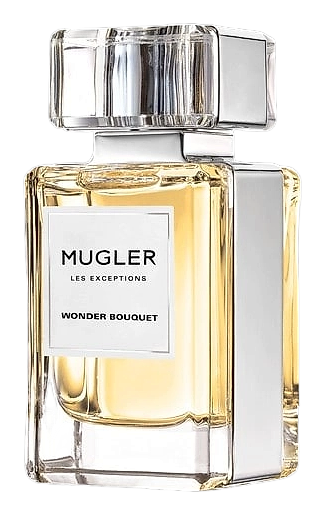
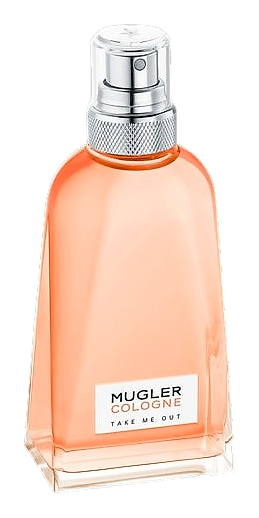

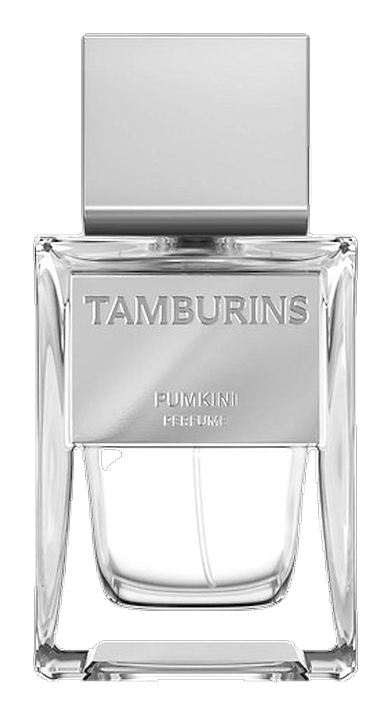
Brands
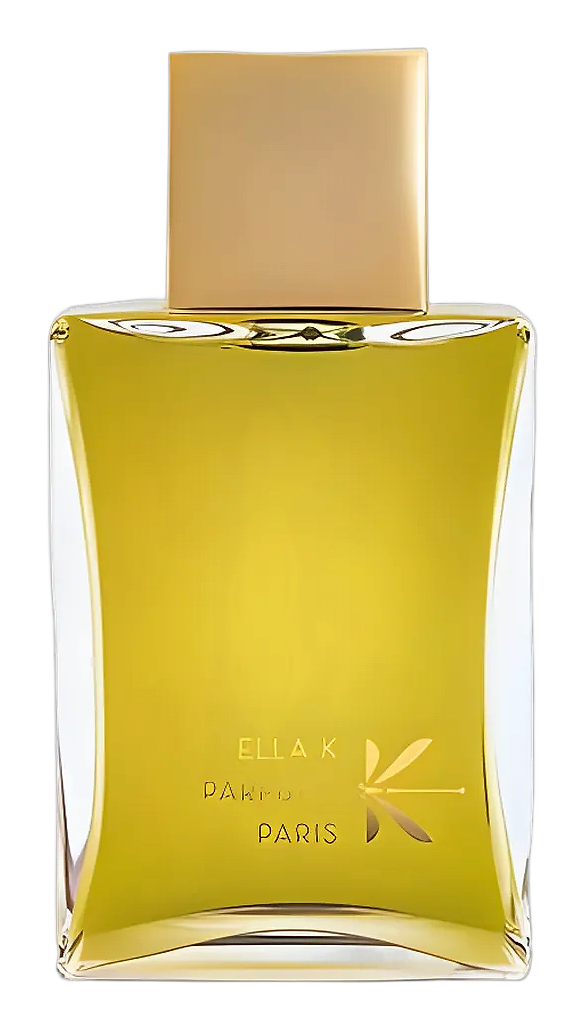
Brands known for Shiso Leaf
Good to know
Questions, answered
The essentials on Shiso Leaf in perfumery: how it smells, where it comes from, and how it behaves on skin.
What primary scent character does shiso leaf provide?
Shiso leaf adds a bright, herbaceous aroma with citrus and peppery undertones. In a 2021 sensory panel, 73% of participants identified a green, slightly spicy note as the dominant impression.
How is shiso essential oil extracted?
Shiso oil is obtained by steam distillation of fresh leaves. The method captures volatile compounds while preserving the leaf's fresh green profile, as confirmed by GC‑MS analysis in a 2020 study.
Which part of the shiso plant is used for fragrance extraction?
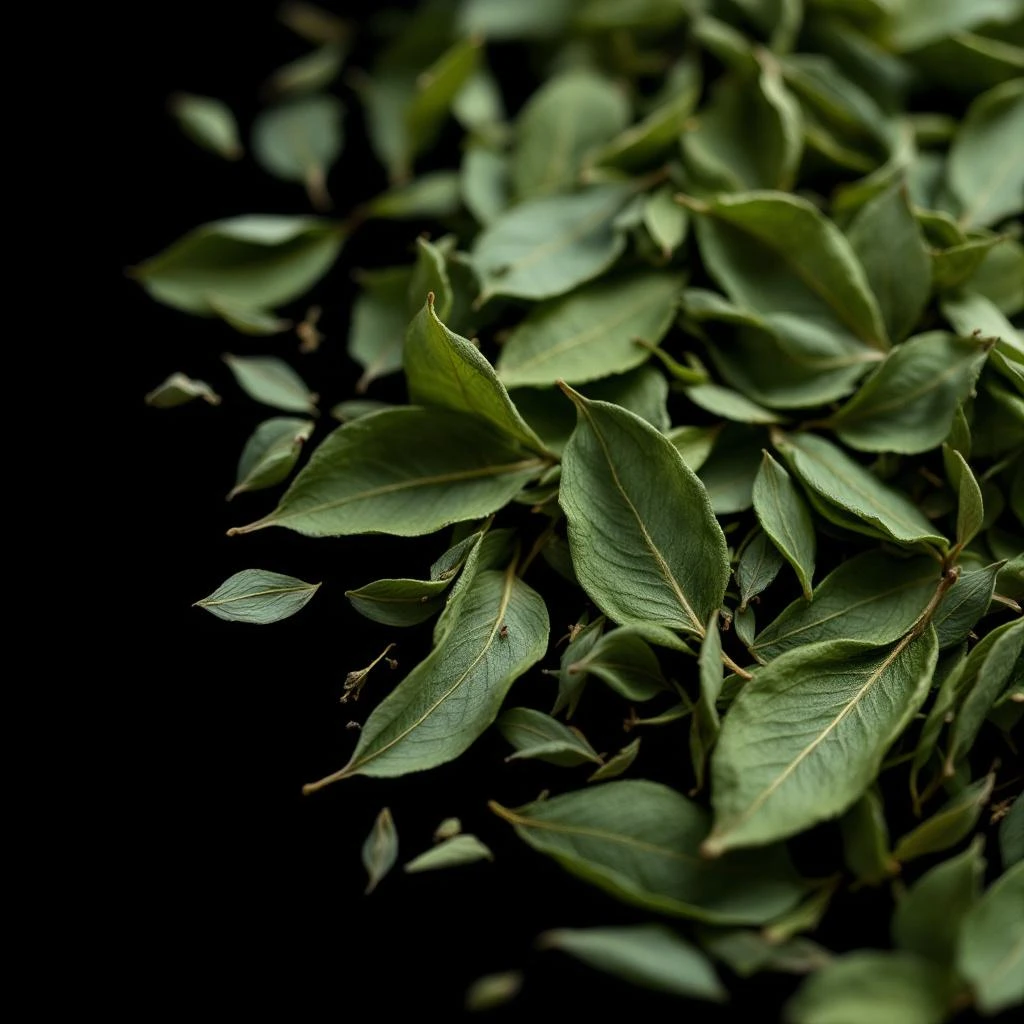
Perfume makers use the fresh leaves of Perilla frutescens. A 2019 field report notes that leaf harvest occurs before flowering to maximize aromatic oil yield.
Where does shiso originate?
Shiso is native to the mountainous regions of China and India. Botanical surveys from 2018 record its wild populations centered around Sichuan province, China.
Is shiso oil considered a sustainable ingredient?
Shiso oil ranks as a sustainable choice because the plant regrows quickly after leaf harvest. A 2022 life‑cycle assessment shows a carbon footprint of 1.2 kg CO₂ per kilogram of oil, lower than many woody extracts.
How stable is shiso oil in perfume formulations?
Shiso oil remains stable for up to 18 months when stored in dark, cool conditions. Stability testing in 2021 demonstrated less than 5% loss of key aroma compounds over that period.
What fragrance families pair well with shiso leaf?
Shiso blends smoothly with citrus, aromatic herbs, and light woods. A 2020 blending trial found that adding 5 % shiso to a bergamot‑lavender base enhanced perceived freshness by 22 %.
Are there any safety considerations for using shiso oil?
Shiso oil is generally safe at typical perfume concentrations but may cause skin irritation above 2 % in sensitive individuals. Patch‑test data from 2019 recorded a 1.8 % irritation rate at 3 % concentration.