The Story
Why it exists.
The beginning
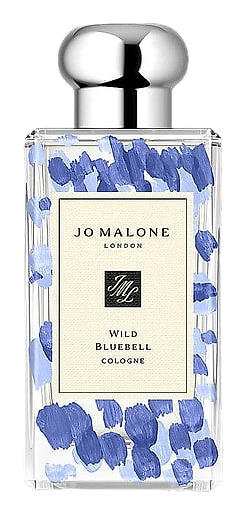
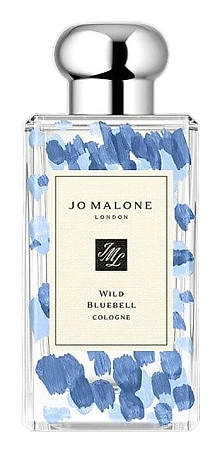
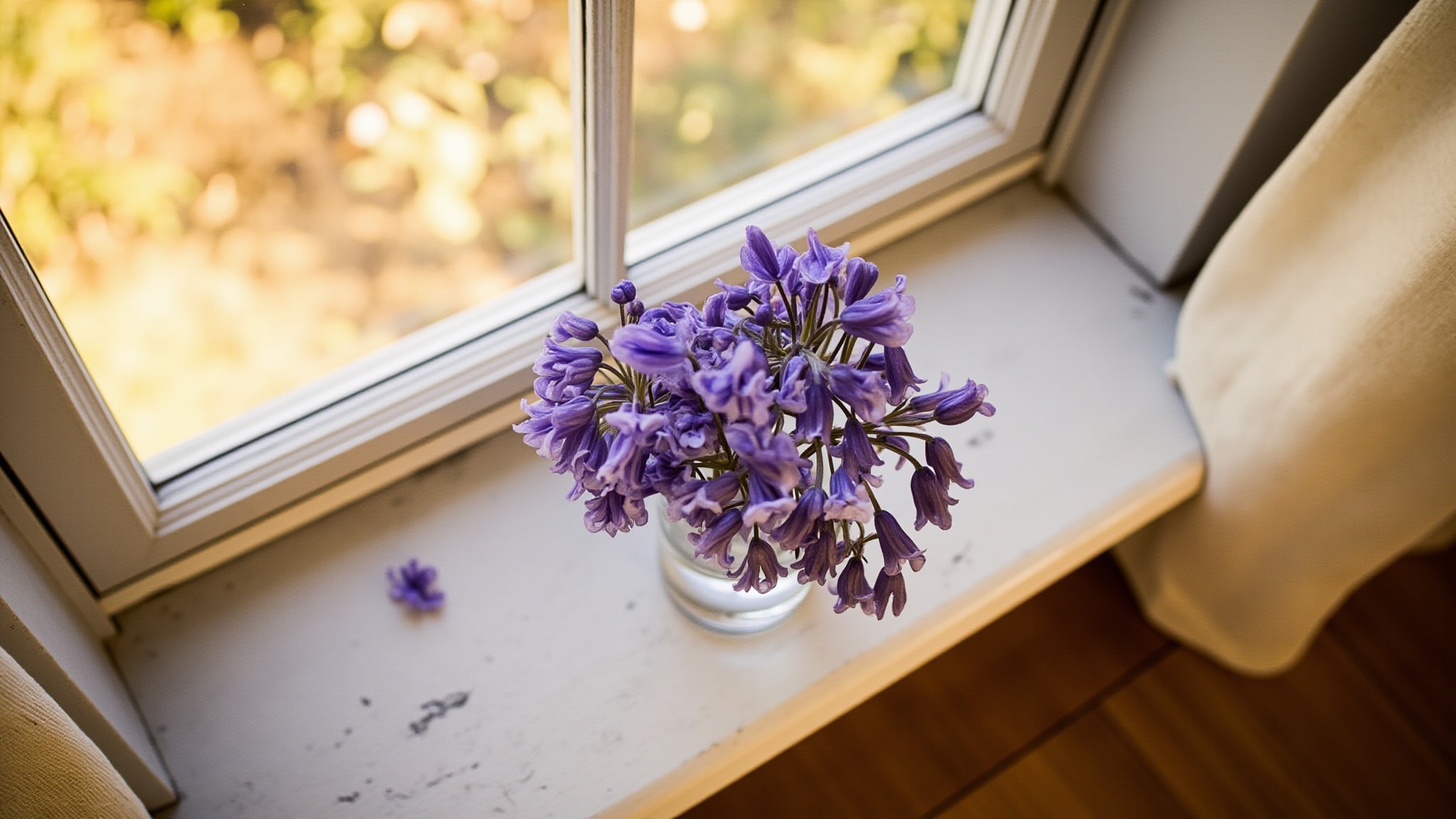
Bluebell absolute doesn't exist commercially, so the perfumer constructed an accord that captures the flower's essence using complementary materials. The challenge was making something delicate feel intentional rather than fleeting. Dewy green notes, soft florals, and a whisper of clove create a composition that evokes the spirit of the endangered bloom without compromising on depth or character.
The structure of this fragrance is unusual. Many floral scents open boldly and recede, but Wild Bluebell follows a different logic, starting with quiet restraint before revealing something more persistent on the skin. Clove provides a subtle counterpoint, preventing the floral elements from reading as precious. White musk in the base anchors the composition, lending a quiet staying power that extends the wear beyond what the concentration might suggest.
The evolution
The opening is dewy and green with a hint of bluebell sweetness, the clove appearing as the composition develops. Lily of the valley takes over, steering the fragrance toward cleaner, more familiar floral territory. Persimmon adds a faint fruitiness that reveals itself only with close attention. After some time, the white musk settles into the skin. At this point the fragrance stops projecting outward and becomes something more personal, intimate, present. A soft powdery warmth remains for several hours on most skin, the bluebell quality still detectable, still gentle, like a pressed flower in a book you forgot you owned.
Cultural impact
Wild Bluebell launched in 2011 as a new take on the house's floral vocabulary, shifting away from traditional garden imagery toward something rooted in woodland character. Jo Malone donated to the Woodland Trust in support of bluebell conservation, linking the fragrance to its namesake in a meaningful way.