Bluebell
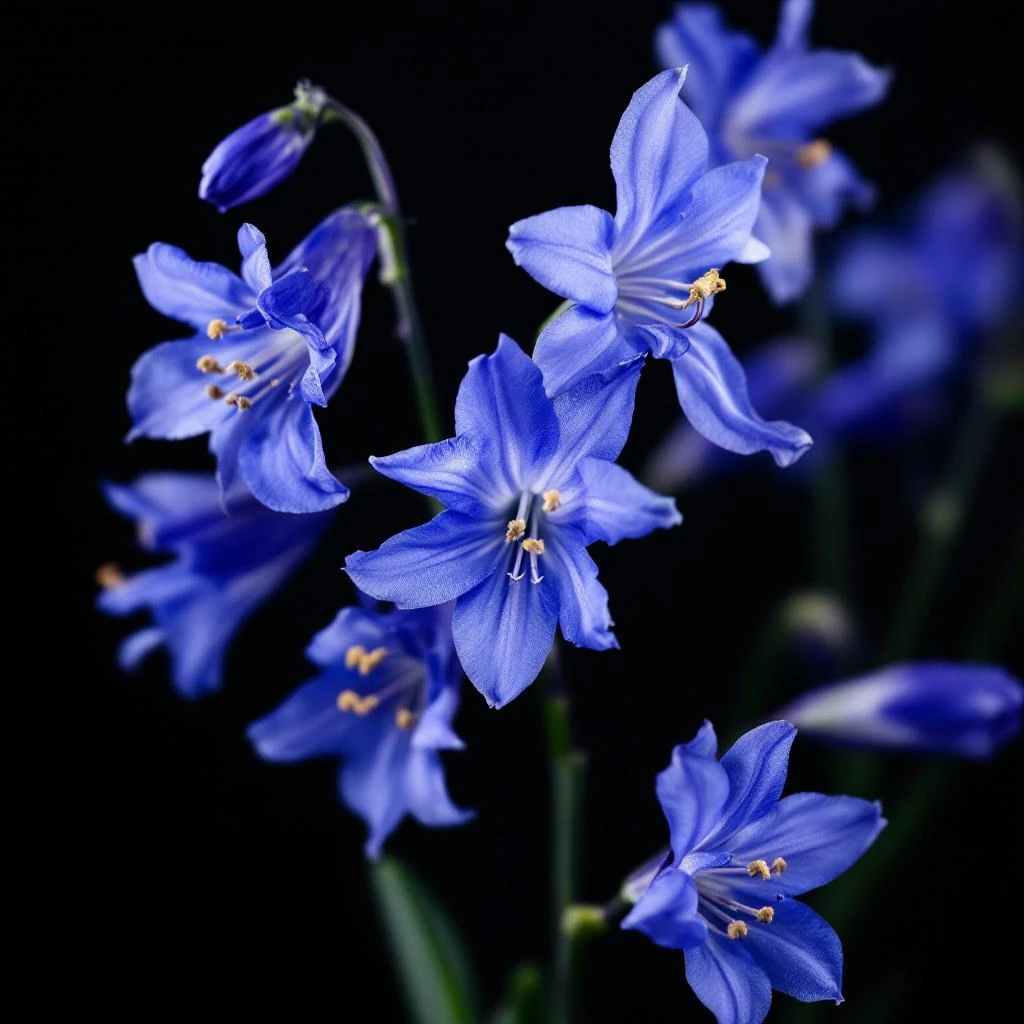
Bluebell (Hyacinthoides non-scripta) produces Britain's most evocative spring woodland scent, yet no natural extraction exists for perfumery. The floral note is entirely synthetic, reconstructed from hyacinth bases, green aldehydes, and transparent accords to capture that cool, green-floral character.
Character
How it smells
Nature's most protected perfume note.
The British bluebell is legally protected under the Wildlife and Countryside Act 1981. Digging up wild bluebells has been illegal since 1998.







Origin
United Kingdom
Hyacinthoides non-scripta has carpeted western European woodlands for millennia, producing one of Britain's most culturally significant spring scents. The plant holds deep botanical heritage, distinct from the scentless Spanish bluebell (Hyacinthoides hispanica) that threatens to outcompete it. While bluebells have inspired poets and painters for centuries, perfumery had to wait until synthetic reconstruction became sophisticated enough.
Penhaligon's Bluebell, launched in 1978 by perfumer Michael Pickthall, became the defining interpretation. The fragrance held particular significance for royalty, reportedly being worn by Princess Diana at her wedding to Prince Charles. Its continued production represents a commitment to historical perfumery in an era of trend-driven releases.
The scent has achieved cult status precisely because it captures something ineffably British and springlike, a distillation of wet woodland walks and nodding flower spikes.
Wears it best
Fragrances featuring Bluebell
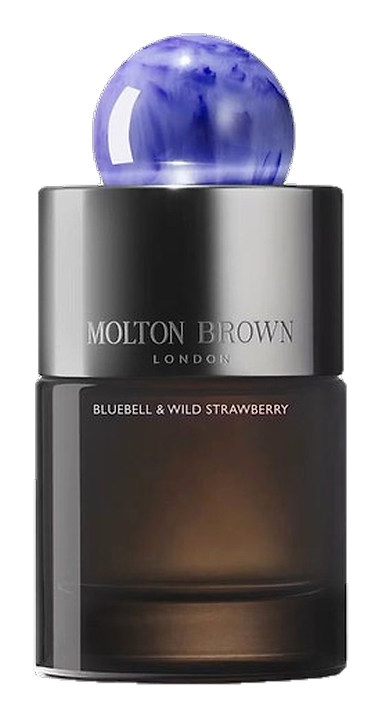
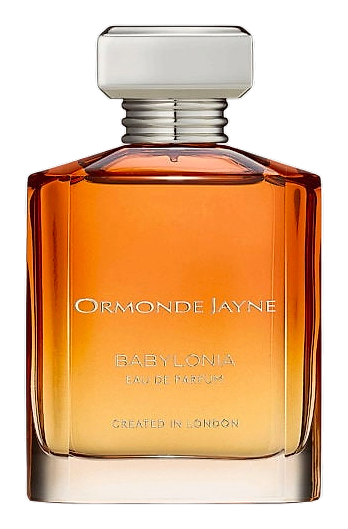
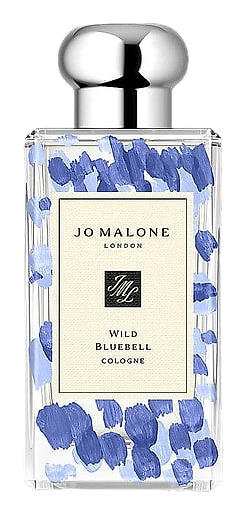
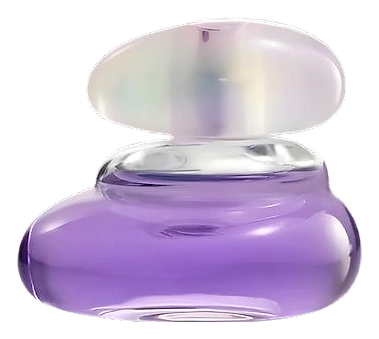
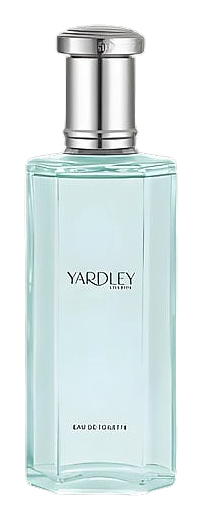
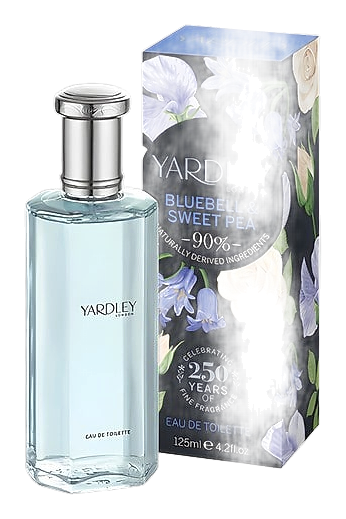
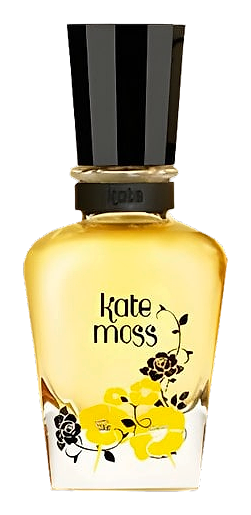
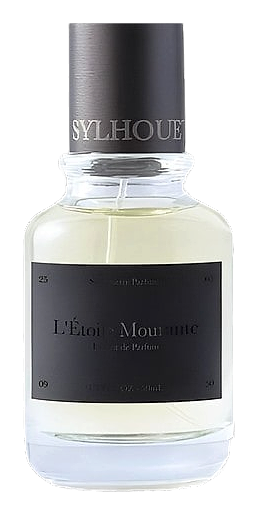
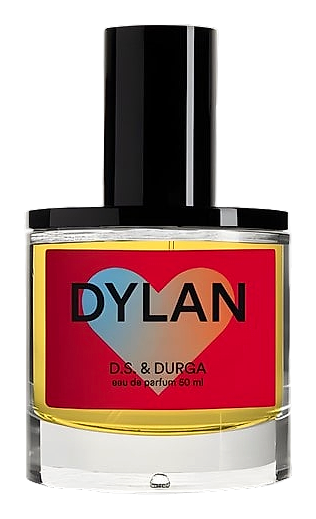
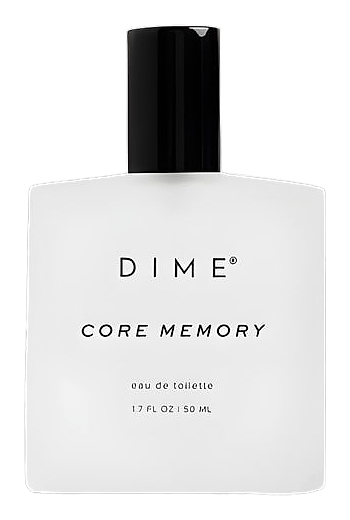
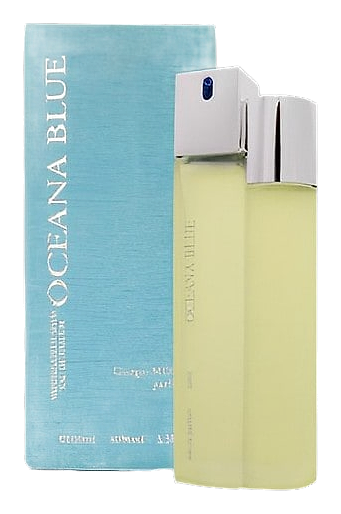
Brands
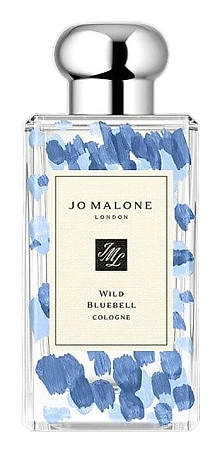
Brands known for Bluebell
Good to know
Questions, answered
The essentials on Bluebell in perfumery: how it smells, where it comes from, and how it behaves on skin.
What is bluebell in perfumery?
Bluebell is a synthetic fragrance note reconstructing the scent of Hyacinthoides non-scripta. No natural extraction exists because the flowers are too delicate. Perfumers build accords from hyacinth-type bases, green aldehydes, and transparent materials to evoke the cool, green-floral character of bluebell woods.
How does bluebell smell?
Bluebell smells green-floral, cooler and more transparent than hyacinth. Living bluebells emit a fresh, slightly sweet green scent with watery transparency and subtle woodland undertones. Synthetic recreations aim for this lightness while avoiding the heaviness that hyacinth bases can introduce.
Why is bluebell always synthetic?
Bluebell contains no natural extracts because the flowers produce volatile compounds too delicate for extraction. The yield is economically nonviable, and headspace technology remains the primary tool for understanding the scent. Perfumers reconstruct the note from known aromatic constituents.
What fragrance compounds create bluebell accord?
Bluebell accord typically combines phenylacetaldehyde for the sweet-hyacinth character, green aldehydes for freshness, hedione for transparency, and green-leaf accords for woodland authenticity. The balance is critical, as dominant hyacinth bases produce heaviness rather than the characteristic coolness.
Which fragrances feature bluebell as a key note?
Penhaligon's Bluebell (1978), developed by Michael Pickthall, remains the benchmark interpretation. The fragrance reportedly became Princess Diana's signature scent and was worn at her wedding. It demonstrates how a protected wildflower can become a cornerstone of British perfumery heritage.
Is the bluebell flower protected by law?
Yes. In Britain, Hyacinthoides non-scripta is legally protected under the Wildlife and Countryside Act 1981. Digging up wild bulbs or picking wild bluebells became illegal in 1998. This protection reflects the flower's ecological importance in ancient woodlands.
How does synthetic bluebell differ from real bluebell?
The best synthetic bluebell accords successfully capture the cool, transparent green-floral character, but the living flower possesses greater complexity and subtlety. Reviewers often note that Penhaligon's Bluebell, the most acclaimed interpretation, smells green, bitter, and metallic at close range, while projecting something more pleasant and recognizably bluebell from a distance.
What is the primary challenge in creating bluebell accord?
The main challenge is maintaining lightness. Bluebell accord ingredients, particularly hyacinth-type bases, tend toward richness and heaviness. Perfumers must use hedione, green aldehydes, and careful dilution to preserve the cool, airy quality that distinguishes bluebell from heavier floral notes.


