The Story
Why it exists.
The beginning
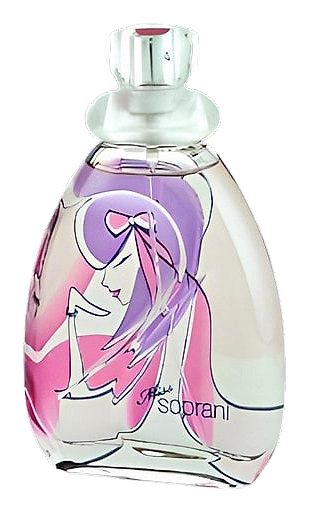
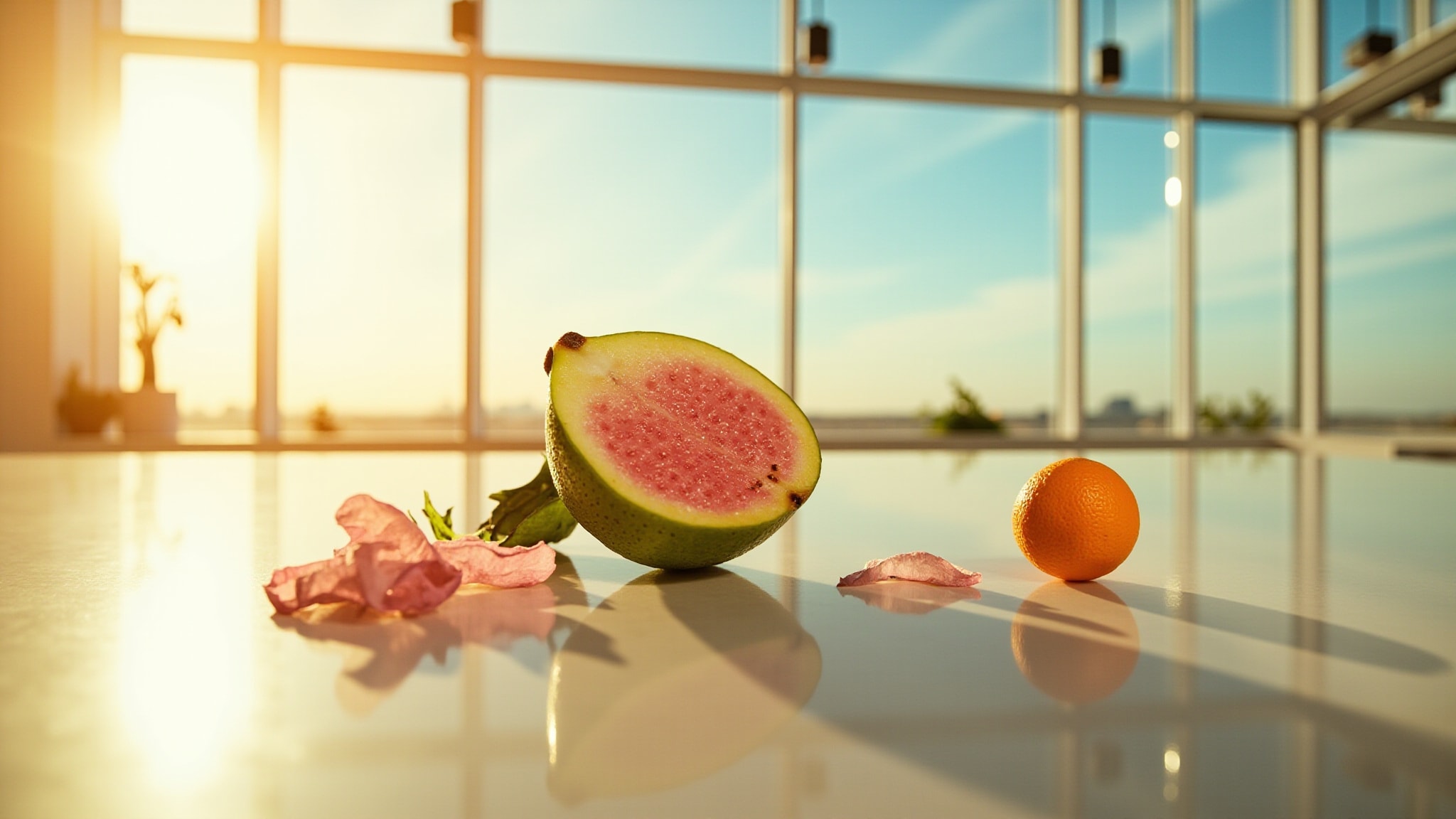
The name Miss Soprani doesn't reference a specific person, it marks territory. A signature for the house's feminine ideal. Perfumer Jean-Christophe Hrault built the composition around tropical fruit at the top, measured restraint throughout. Guava and peony arrive first, bright and immediate, then yield to white florals that don't announce themselves. The guava brings a juicy, sun-ripened sweetness that feels lush without being overwhelming. Peony adds a soft, rosy elegance that tempers the tropical intensity. As the opening settles, the white florals emerge gradually, threading through the composition with quiet confidence. It's a fragrance that speaks softly but leaves an impression that lingers in the memory.
What makes Miss Soprani interesting is how Hrault handles the fruity-floral genre. Five top notes, ylang-ylang, mandarin, freesia, peony, guava, is an unusually dense opening salvo. The combination creates a layered brightness that shifts and evolves as the minutes pass. Guava's tropical sweetness meets mandarin's citrus snap, then the florals layer in without muddying. Ylang-ylang contributes its characteristic waxy, heady depth, while freesia lifts with a clean, airy sweetness that keeps the dense opening from becoming overwhelming.
The evolution
The opening hits fast. Peony, guava, ylang-ylang, freesia, mandarin, all at once, like stepping into a sunlit conservatory. Bright and immediate. The mandarin fades first, leaving the tropical fruit and white florals to settle. The heart takes over with jasmine and magnolia, creamier and warmer than the opening suggested. The sweetness recedes. The drydown arrives with vetiver, oakmoss, amber. Clean and woody. Not loud, not faint. The projection softens after the initial burst, becoming a more intimate presence as the hours pass. What lingers is the vetiver and a ghost of magnolia. Clean finish. No drama.
Cultural impact
Miss Soprani sits within the fruity-floral tradition of the mid-2000s, when tropical fruits and white florals were common currency in women's fragrance. What distinguishes it is the way the composition navigates an inherently bright genre. The dense opening of tropical fruit and white florals could have gone in any number of directions, but the measured restraint in the heart and base gives it a particular character. It occupies a specific space in that era's fragrance landscape, offering depth and complexity within a framework of accessible sweetness.