
The Story
Why it exists.
The beginning
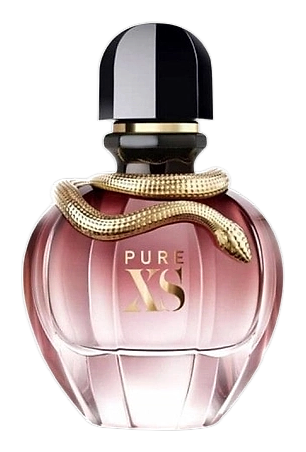
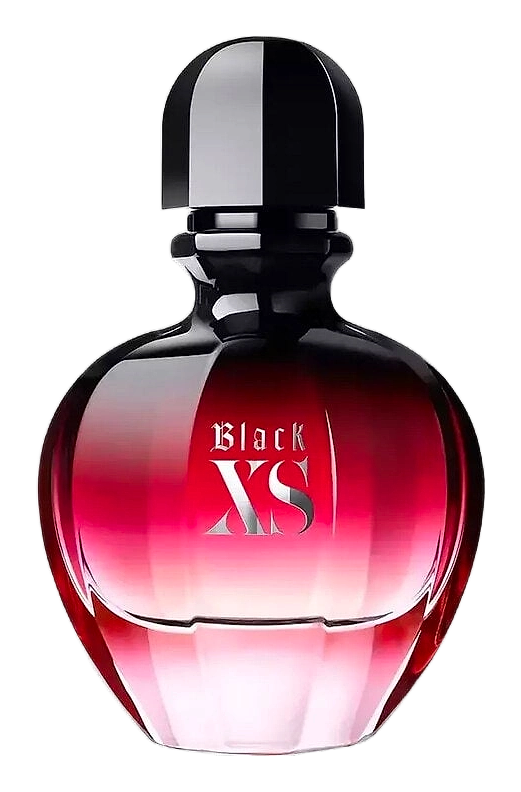
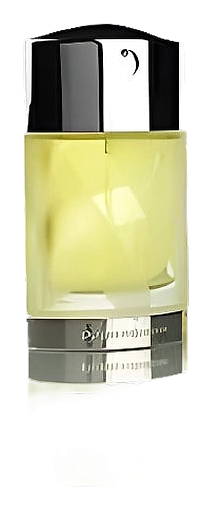
XS Pour Elle arrived in 1994 as a bold statement in floral composition. The fragrance captures an interplay of floral elements that feel both immediate and lingering, with notes that complement rather than compete. Perfumer Gérard Anthony structured this one with careful layering, creating a radiant effect that feels both fresh and warm. The name says small, but the presence says otherwise. There is a confidence in how the elements come together, a sense of poise that holds attention without demanding it.
What makes XS Pour Elle interesting is its structure. Water jasmine and peony open dewy and immediate, then hand off to a heart of freesia and neroli that fills without flooding. The base is where it gets personal, musk and sandalwood creating that skin-close quality, with ylang-ylang threading tropical warmth through the entire pyramid. Each layer maintains its character while contributing to a cohesive whole. The overall effect is one of balance, where no single note dominates but everything works in concert.
The evolution
The opening arrives quick: mandarin bright, peony soft, water jasmine adding that slight aquatic lift that either pulls you in or reads as cleaning product on first encounter. Soon after, the hand-off happens. Freesia and neroli take the stage, powdery, luminous, present without projecting. This is a fragrance that prefers to be discovered than announced. By the mid-drydown, sandalwood and ylang-ylang blend into something creamy and warm. Musk keeps it close. The tropical note lingers past the point where most people would expect it to, creating a distinctive character that persists as the composition evolves. The fade is quiet rather than dramatic, leaving a soft impression that lingers in memory.
Cultural impact
XS Pour Elle was discontinued, but the people who wore it remember it. Still glowing in memory as that warm, nostalgic yellow floral that felt right for years. When it launched in 1994, it arrived with a character all its own, offering a brightness that felt optimistic and accessible. The composition captures something specific about the florals it employs, with notes that feel both familiar and distinctive. Though it has been out of production for years, its devoted following continues to seek it out, suggesting the scent left an impression that outlasted its commercial run.
The House
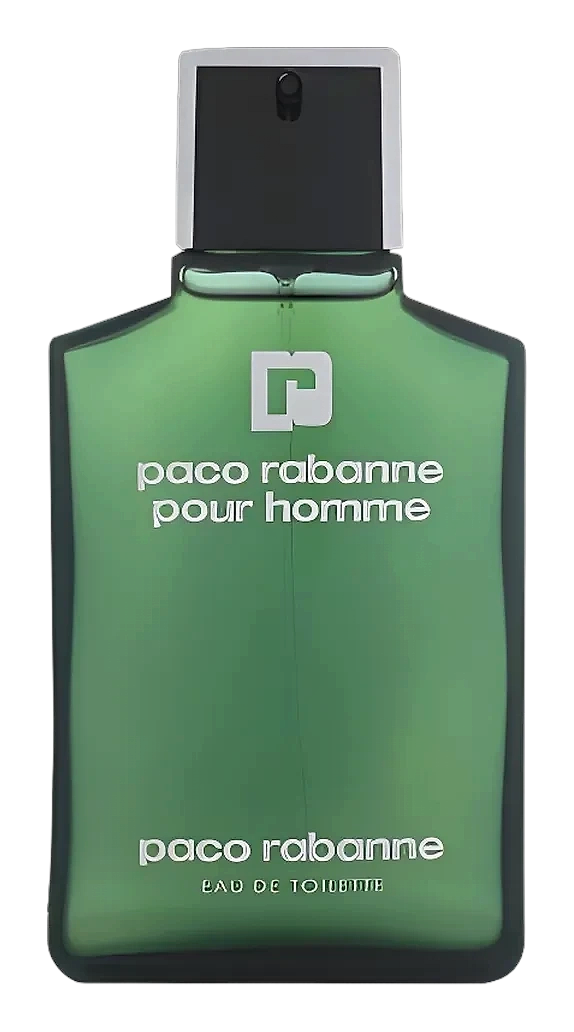
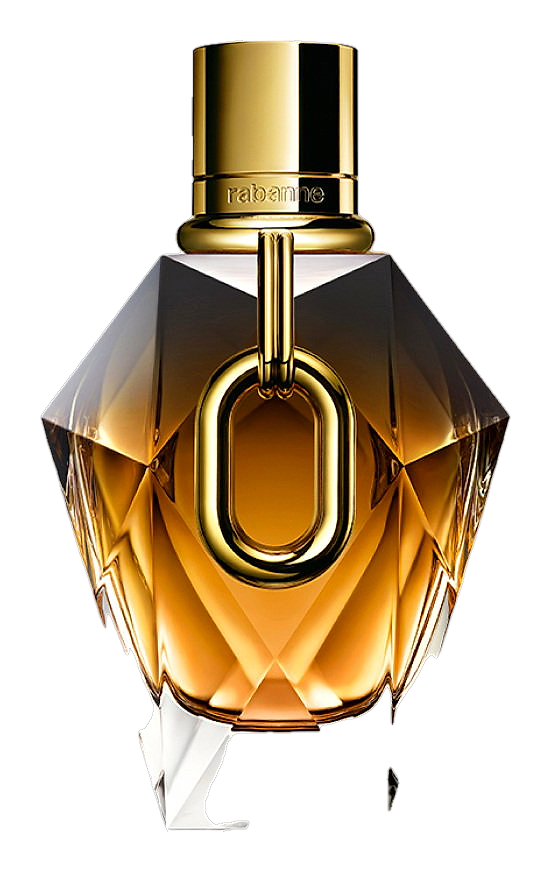
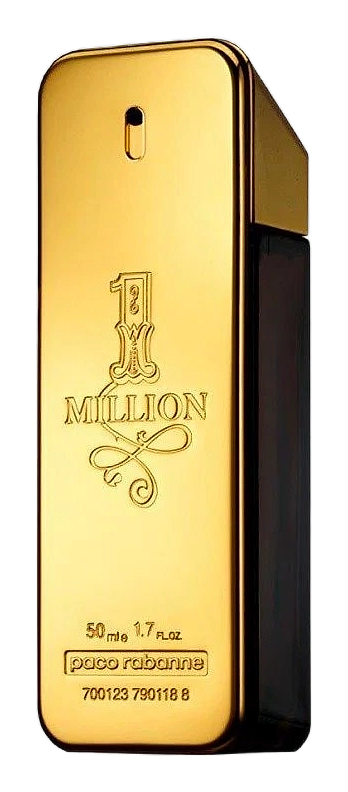
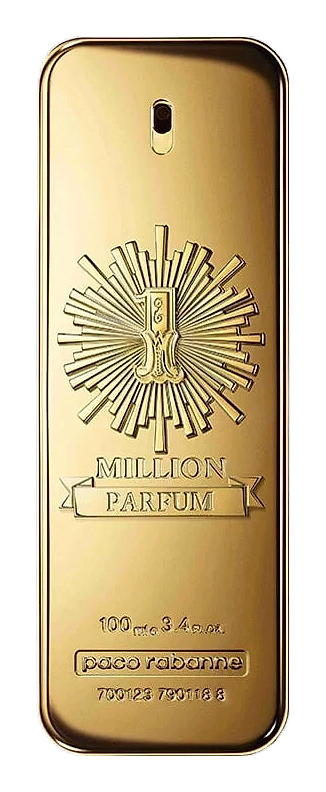
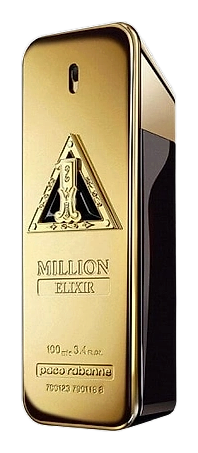
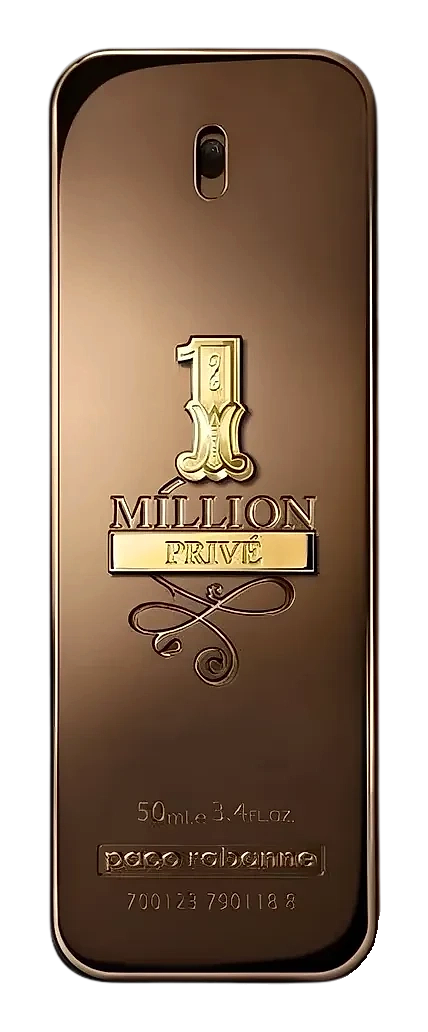
RabanneRabanne is a Paris-based fashion and fragrance house founded by Spanish-born designer Francisco Rabaneda Cuervo, known professionally as Paco Rabanne. The house established itself in perfumery through a partnership with Spanish fragrance company Puig, beginning with the 1969 launch of Calandre. The brand's olfactory identity draws from its fashion heritage: architectural construction, metallic materials, and provocative design language that challenged 1960s fashion conventions. Rabanne built a portfolio of over 85 fragrances spanning multiple decades, from aldehydic florals and aromatic fougeres to orientals and fresh aquatic compositions. The house's gold ingot-shaped bottle for 1 Million (2008) became one of the most recognizable fragrance silhouettes in global retail. Nadia Dhouib was appointed General Manager in April 2022 after serving at Galeries Lafayette, tasked with unifying the brand's fashion and fragrance voices and expanding audience reach. In mid-2023, the house rebranded from Paco Rabanne to simply Rabanne, completing that consolidation.
The Creator
Gérard AnthonyAnthony's signature lies in his mastery of the fougère structure, which he handled with unusual confidence and creativity. He pushed lavender into unexpected territories, pairing it with notes that other perfumers might have considered too aggressive for a mainstream composition.