
The Story
Why it exists.
The beginning
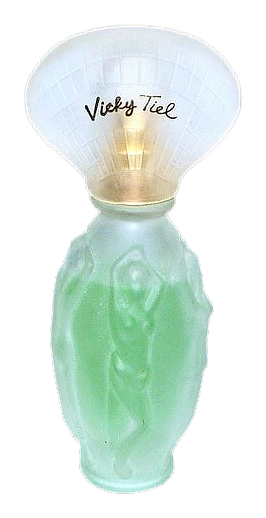
Vicky Tiel built her house on cinematic femininity, Elizabeth Taylor, legendary women, the glamour of people who walk into rooms and reshape them. But Ethere, released in 1999, took a different path. Where other houses were layering pear and peach into endless fruity florals, this one went herbal. The brief, apparently, was clarity.
Chamomile as a lead note in 1999 was a provocation. Not blue chamomile, not the gentle tea-bag variety, Moroccan chamomile, with its bright, apple-cider brightness and a floral depth that most aster-family cousins lack. The perfumer used it not as background but as architecture. Everything else, the cypress, the hyacinth, the blackberry, exists in relation to it.
The evolution
The opening arrives like cold tea on a warm morning. Sharp, green, almost medicinal in its clarity. Thirty minutes in, the herbal bite softens and the white florals emerge, jasmine first, then lily, then a quiet violet that feels like powder on skin. The chamomile doesn't disappear. It deepens, becoming the thing that holds the florals together rather than the thing that announced them. By hour two, the base takes over: warm woods, clean musk, a dry amber that stays close and intimate. On fabric, it lasts through the evening. On skin, expect four to six hours, moderate sillage, the kind that requires someone standing beside you to notice. The next morning, there's a faint trace of musk and something almost mineral, like the ghost of tea leaves left in a cup.
Cultural impact
Ethere arrived at the peak of the fruity-floral era and refused to participate. Where contemporaries were layering pear, peach, and berries into soft, sweet compositions, this one went herbal, went mineral, went somewhere else. It found an audience, wearers who wanted fragrance to feel like clarity rather than comfort. Discontinued now, it persists in secondhand markets and among those who remember it as the one that smelled like something different.