The Story
Why it exists.
The beginning
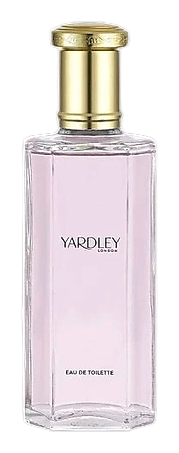
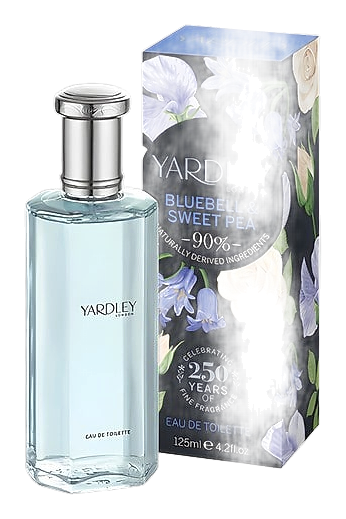
Yardley has been distilling British floral traditions since 1770, when the Cleaver family opened their soap shop in London. The brand built its name translating the English garden into something you could carry, lavender fields, rose bowers, morning walks through English countryside. Bluebell & Sweet Pea takes two flowers that grow wild across Britain and arranges them into something more deliberate: a fragrance for the woman who knows exactly who she is, without needing to prove it.
What makes this composition interesting is the tension between bluebell and sweet pea, two flowers rarely found together in perfumery. The bluebell brings a green, almost watery quality, a memory of damp woodland floors. Sweet pea, meanwhile, contributes a soft, powdery sweetness closer to hyacinth than to any typical floral. Together they create a heart that reads as both fresh and intimate, without tipping into either aquatic sterility or heavy floral sweetness. The base of musk and vanilla keeps everything gentle and familiar, this is a fragrance that wants to be liked, and largely succeeds.
The evolution
The citrus top arrives crisp and immediate, lemon and bergamot cutting through like morning light. Within minutes, the bluebell and sweet pea take over, their green-floral character softening the citrus without erasing it. The middle hours belong to rose and peony, adding body without weight. By hour four, the musk and vanilla settle in, warm and close, like the memory of a garden visited rather than one you're standing in. The drydown is intimate, skin-close, fading gently rather than disappearing. On fabric, expect it to linger well into the evening.
Cultural impact
Bluebell & Sweet Pea occupies a comfortable middle ground in the floral category, neither confrontational nor invisible. It's the fragrance a woman reaches for when she wants to smell pleasant without announcement. In the context of Yardley's broader catalogue, it represents the brand's continued commitment to accessible British refinement, sitting alongside classics like English Rose and Lily of the Valley as part of a coherent floral tradition.