    Home/Brands/Yardley
    Brand Profile

    Yardley

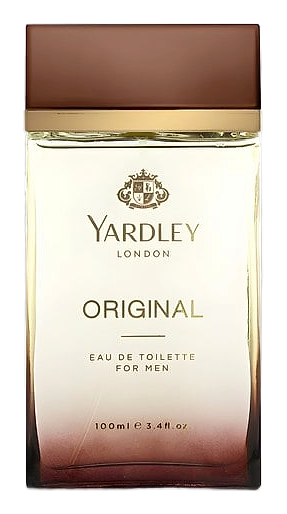
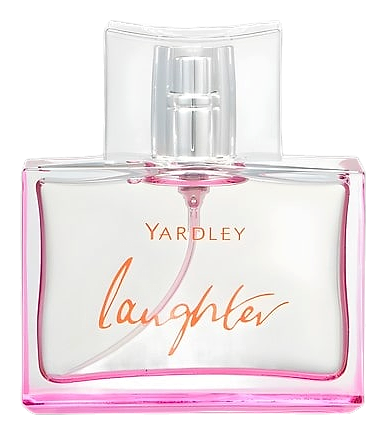
    Yardley London is a British fragrance house that traces its commercial origins to 1770, when the Cleaver family opened a modest soap shop in the City of London. Over two centuries the brand expanded from hand‑crafted soaps to a portfolio of eau de toilettes, body lotions and grooming accessories. Its scent catalogue includes enduring classics such as Yardley Original, the floral Laughter (1975) and the bright Pink Lace (1988). Today Yardley balances historic British charm with contemporary retail channels, offering consumers a recognizable scent heritage.

    United KingdomEst. 1770
    2
    Fragrances
    4.1
    Avg rating
    Shop the collection
    SignatureEnglish Rose
    English Rose
    EDT
    Community
    4.1
    Average rating
    across 2 fragrances
    Collection
    2
    Fragrances and counting
    Heritage
    1770
    Founded in United Kingdom

    Most loved

    Bestsellers from Yardley

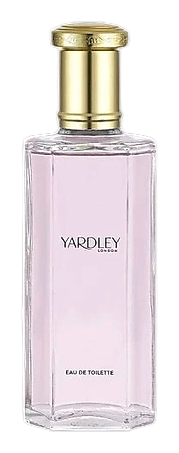
    English Rose by Yardley
    Yardley
    English Rose
    4.0
    Compare prices
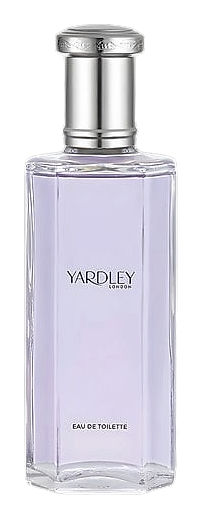
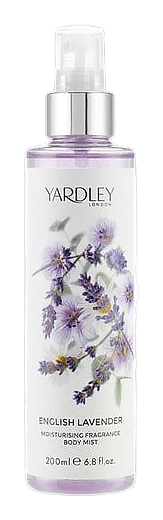
    Coming soonEnglish Lavender by Yardley
    Yardley
    English Lavender
    3.9
    Coming soon
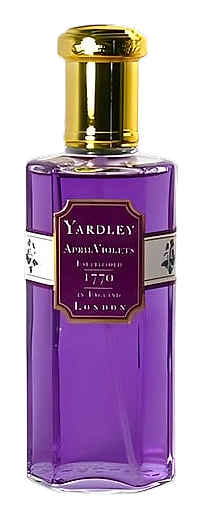
    Coming soonApril Violets by Yardley
    Yardley
    April Violets
    4.0
    Coming soon
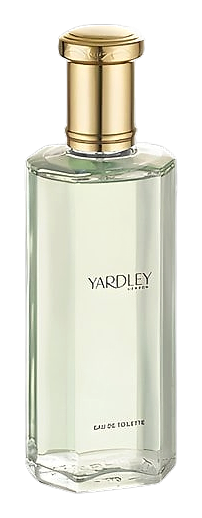
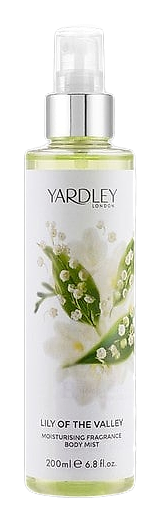
    Coming soonLily of the Valley by Yardley
    Yardley
    Lily of the Valley
    3.9
    Coming soon
    Coming soonIris by Yardley
    Yardley
    Iris
    3.8
    Coming soon
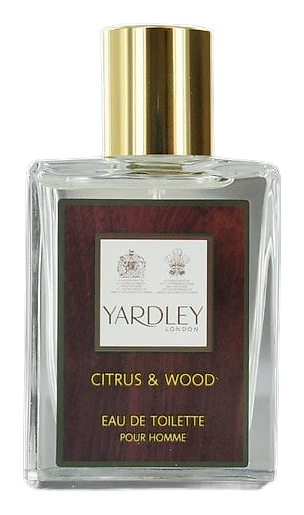
    Coming soonCitrus and Wood by Yardley
    Yardley
    Citrus and Wood
    4.3
    Coming soon
    Coming soonApril Violets Contemporary Edition by Yardley
    Yardley
    April Violets Contemporary Edition
    3.7
    Coming soon
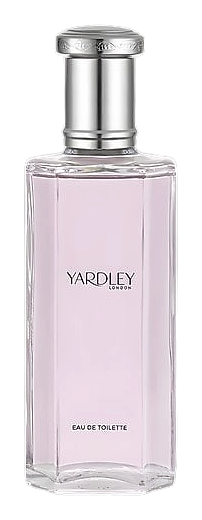
    Coming soonEnglish Rose Contemporary Edition by Yardley
    Yardley
    English Rose Contemporary Edition
    4.1
    Coming soon
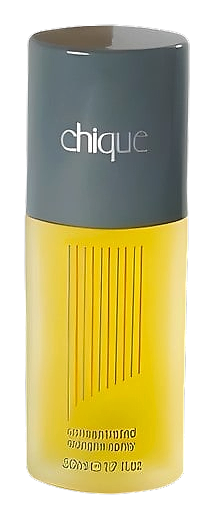
    Coming soonChique by Yardley
    Yardley
    Chique
    4.0
    Coming soon
    Coming soonEnglish Lavender Contemporary Edition by Yardley
    Yardley
    English Lavender Contemporary Edition
    3.5
    Coming soon
    Coming soonLily Of The Valley Contemporary Edition by Yardley
    Yardley
    Lily Of The Valley Contemporary Edition
    3.8
    Coming soon
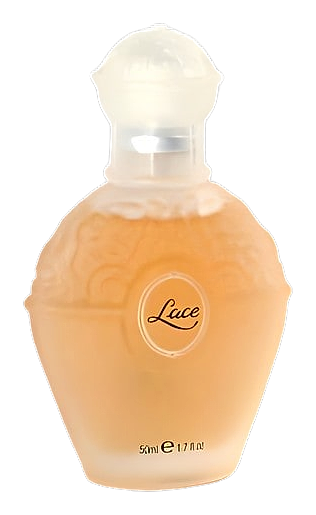
    Coming soonLace by Yardley
    Yardley
    Lace
    4.0
    Coming soon

    Fresh in

    New from the house

    English Rose by Yardley
    Yardley
    English Rose
    4.0
    Compare prices
    Coming soonMagnolia & Fig by Yardley
    Yardley
    Magnolia & Fig
    3.5
    Coming soon
    Coming soonEnglish Honeysuckle by Yardley
    Yardley
    English Honeysuckle
    3.6
    Coming soon
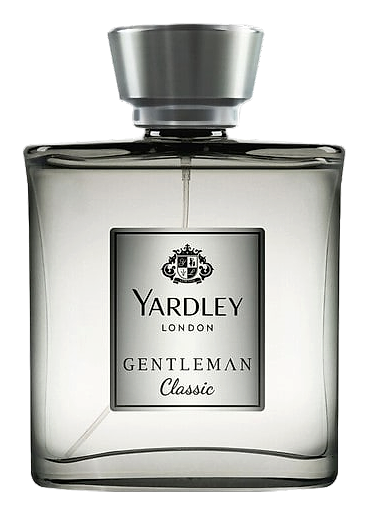
    Coming soonYardley Gentleman Classic by Yardley
    Yardley
    Yardley Gentleman Classic
    3.6
    Coming soon
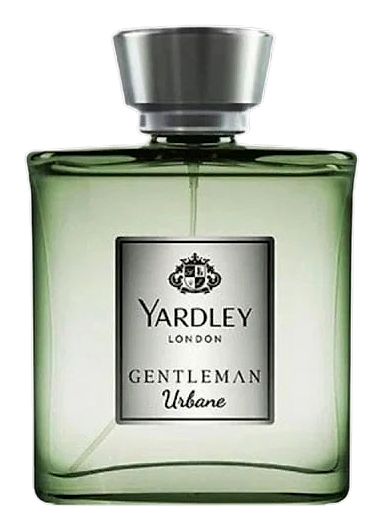
    Coming soonYardley Gentleman Urbane by Yardley
    Yardley
    Yardley Gentleman Urbane
    3.8
    Coming soon
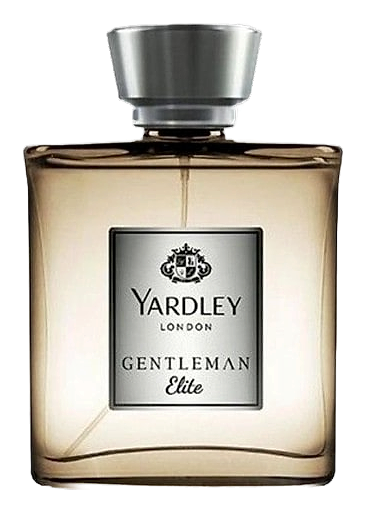
    Coming soonYardley Gentleman Elite by Yardley
    Yardley
    Yardley Gentleman Elite
    3.9
    Coming soon
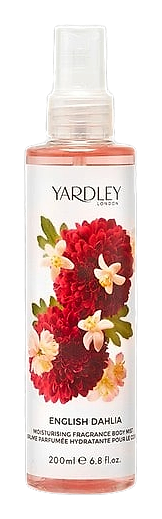
    Coming soonEnglish Dahlia Fragrance Mist by Yardley
    Yardley
    English Dahlia Fragrance Mist
    3.3
    Coming soon
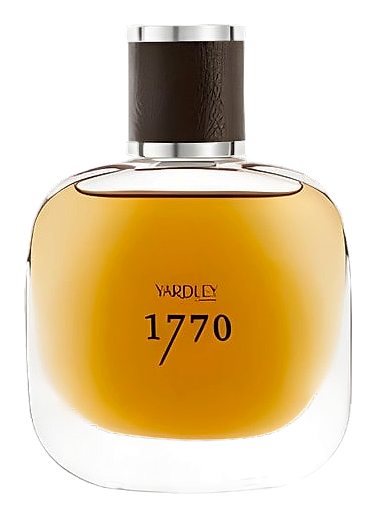
    Coming soon1770 by Yardley
    Yardley
    1770
    4.2
    Coming soon
    Coming soonApril Violets Contemporary Edition by Yardley
    Yardley
    April Violets Contemporary Edition
    3.7
    Coming soon
    Coming soonEnglish Rose Contemporary Edition by Yardley
    Yardley
    English Rose Contemporary Edition
    4.1
    Coming soon
    Coming soonEnglish Lavender Contemporary Edition by Yardley
    Yardley
    English Lavender Contemporary Edition
    3.5
    Coming soon
    Coming soonLily Of The Valley Contemporary Edition by Yardley
    Yardley
    Lily Of The Valley Contemporary Edition
    3.8
    Coming soon

    Heritage

    A house, in its own words

    Yardley’s commercial lineage begins in 1770 when the Cleaver family established a small soap and perfumery shop on St. James’s Street, London. Contemporary trade directories list the business as Cleaver & Co., supplying scented soaps to local households and to the Royal Navy. By the early 19th century the firm had adopted the Yardley name, capitalising on the reputation of a Yardley family member who had previously served as a royal apothecary. The company’s catalogue grew to include scented powders, colognes and shaving creams, and by 1860 it operated a factory in the East End that employed dozens of workers. The turn of the century saw Yardley embrace mass‑market advertising, most famously the 1903 “The Lady in White” campaign that linked the brand to notions of Victorian propriety. During World War I the firm supplied morale‑boosting toiletries to troops, a practice that continued in World II when Yardley’s “Victory Soap” was distributed to servicemen and civilians alike. Post‑war, the brand introduced a series of eau de toilettes that captured the optimism of the 1950s, including Flair (1952) and the Yardley Original, a citrus‑spicy blend that became a staple of British gentlemen’s grooming kits. The 1960s and 1970s marked Yardley’s cultural peak. Laughter (1975) and Pink Lace (1988) rode the wave of youthful, floral fragrances that resonated with the era’s pop culture. In 1970 the company was listed on the London Stock Exchange, reflecting its commercial success. However, the 1980s brought financial strain, and in 1990 Yardley was acquired by the French cosmetics group L’Oréal, which later sold the brand to Wella in 2005. The 2010s saw a series of ownership changes, culminating in the 2015 acquisition by the Japanese conglomerate Wacoal, which repositioned Yardley for both heritage‑focused retail and online distribution. Throughout these transitions, the brand has retained its original London address as a symbolic link to its 18th‑century origins.

    Yardley’s creative philosophy rests on the idea that fragrance should echo everyday British life while offering a moment of quiet refinement. The brand cites its historic archives as a source of inspiration, often revisiting scent families that appeared in early 19th‑century formulations and adapting them for modern palettes. Rather than chasing fleeting trends, Yardley prioritises balance, seeking compositions where top notes of citrus or green herbs give way to heart accords of rose, violet or lavender, and settle into warm base notes of musk, amber or sandalwood. Sustainability has become a formal pillar of the brand’s values. Recent statements indicate a commitment to responsibly sourced raw materials, with an emphasis on traceable botanical extracts and reduced water usage in manufacturing. The company also supports community initiatives that promote traditional British horticulture, reflecting a belief that the source of a scent is as important as its final expression. In retail environments, Yardley encourages tactile discovery. Testers are presented alongside brief historical notes, inviting customers to connect the scent with its provenance. This educational approach mirrors the brand’s broader aim: to treat fragrance as a cultural artifact that can be experienced, remembered, and shared across generations.

    1770
    Cleaver family opens a soap and perfumery shop on St. James’s Street, laying the foundation for Yardley London.
    1860
    Yardley establishes a factory in the East End of London, expanding production to include powders and colognes.
    1903
    Launch of the “Lady in White” advertising campaign, one of the earliest large‑scale brand promotions in Britain.
    1975
    Release of Laughter, a floral eau de toilette that becomes a cultural touchstone of the 1970s.
    1990
    Yardley is acquired by L’Oréal, marking its first major ownership change in the modern era.
    2005
    The brand is sold to Wella, shifting focus toward professional hair‑care distribution channels.

    Did you know?

    Interesting facts

    01

    During World War I Yardley supplied scented toiletries to both British and American troops, a practice continued in World II with a special “Victory Soap” for servicemen.

    02

    The 1903 “Lady in White” campaign featured a model whose image became a recognizable symbol of early 20th‑century British advertising.

    03

    Yardley’s original soap formula included a patented blend of rosemary and orange oil filed in 1795, a combination that influenced later fragrance developments.

    04

    Flair, launched in 1952, was one of the first British perfumes marketed specifically toward women, reflecting shifting social norms of the post‑war era.