The Story
Why it exists.
The beginning
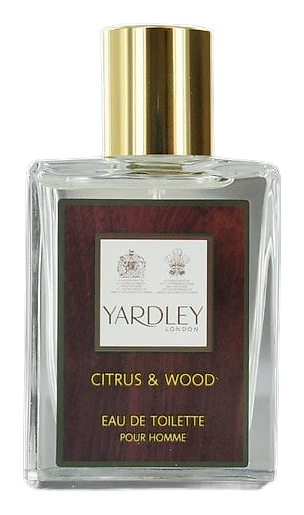
Christian Provenzano built this fragrance around a single tension: the citrus-woody axis that defines classic British masculine scent, executed without excess. Launched in 2011, it arrives as a modern counterpoint to the heavier Aromatics and fougères that dominated Yardley's catalogue. The name says everything, citrus and wood, nothing hidden, nothing superfluous. Provenzano understood the assignment: take a familiar genre and make it feel considered rather than calculated.
What makes this composition noteworthy is the ambergris in the base, an ingredient most fragrances at this price point skip entirely. It doesn't announce itself. It softens. The cedar and sandalwood become warmer, slightly saline, less angular. Combined with vetiver's earthy smoke, the drydown reads as refined rather than woody. The birch in the heart is the other unexpected choice. It adds a natural, slightly tarry quality that lifts the composition away from the generic fresh-wood template. These are small decisions, but they compound into something that doesn't smell like its price point.
The evolution
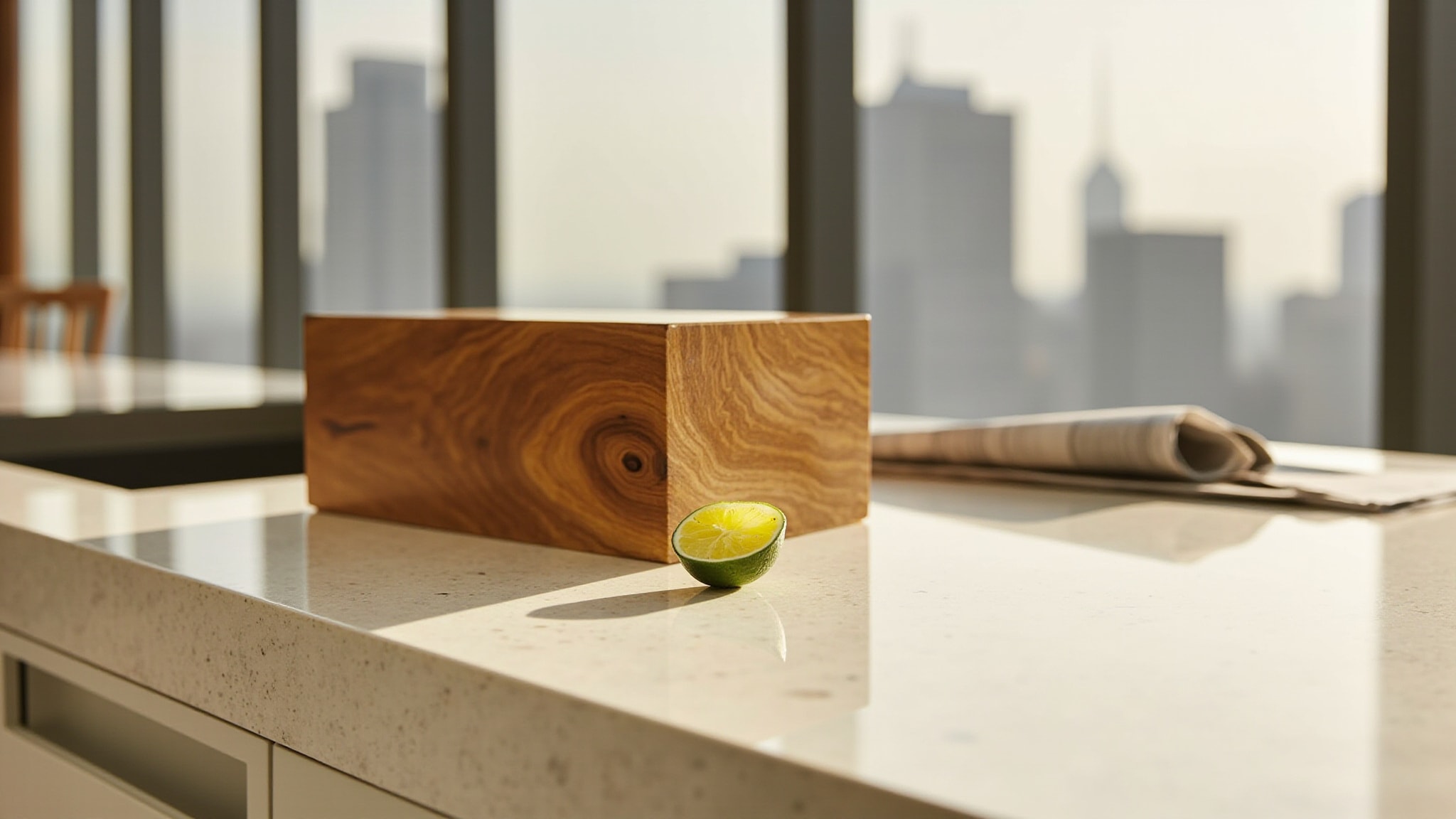
The opening hits bright and tart, bergamot and lime cutting through with elemi's resinous lift. This phase lasts about an hour, maybe ninety minutes on dry skin. Then the citrus recedes and the heart takes over: birch and black pepper warming up cleanly, oakmoss threading green between the two acts. By hour three, the composition has settled into its base. Cedar and sandalwood form a polished, close-grained wood. Vetiver adds its earthy-smoky counterpoint. The ambergris doesn't shout, it smooths. What lingers is the wood, refined and intimate, lasting most of a workday on most people.
Cultural impact
Since its 2011 launch, Citrus and Wood has carved out a reputation as a quality option in the citrus-woody space at an accessible price. Community reviewers on collectors note it as a cleaner, more accessible take on the genre, and compare it favorably to luxury fragrances at several times the cost. The lime note is frequently cited as the distinctive element, giving it an identity distinct from similar bergamot-led competitors. It occupies an interesting middle ground: more refined than mass-market fresh woods, more approachable than full niche. A solid entry point for the citrus-woody category.