The Story
Why it exists.
The beginning
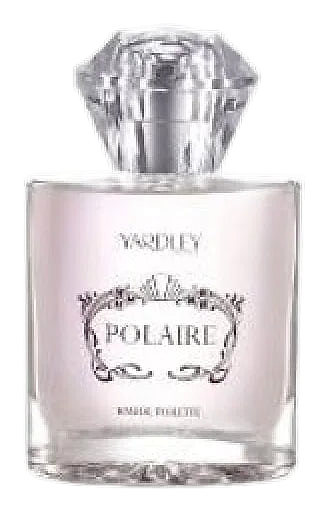
Polaire takes its name from the French actress who became a symbol of early 20th-century glamour. The performer adopted the stage name Polaire and became known as a distinctive presence in Parisian entertainment at the turn of the century. Her career was marked by choices that stood apart from the conventions of her time, and her name carried a certain notoriety that made it memorable. For Yardley, naming a fragrance after this figure was a statement of intent: a British house reaching toward something more theatrical. In 2013, with perfumer Juliette Karagueuzoglou, the brand created a scent that carried that same tension, refinement with an edge, warmth with mystery.
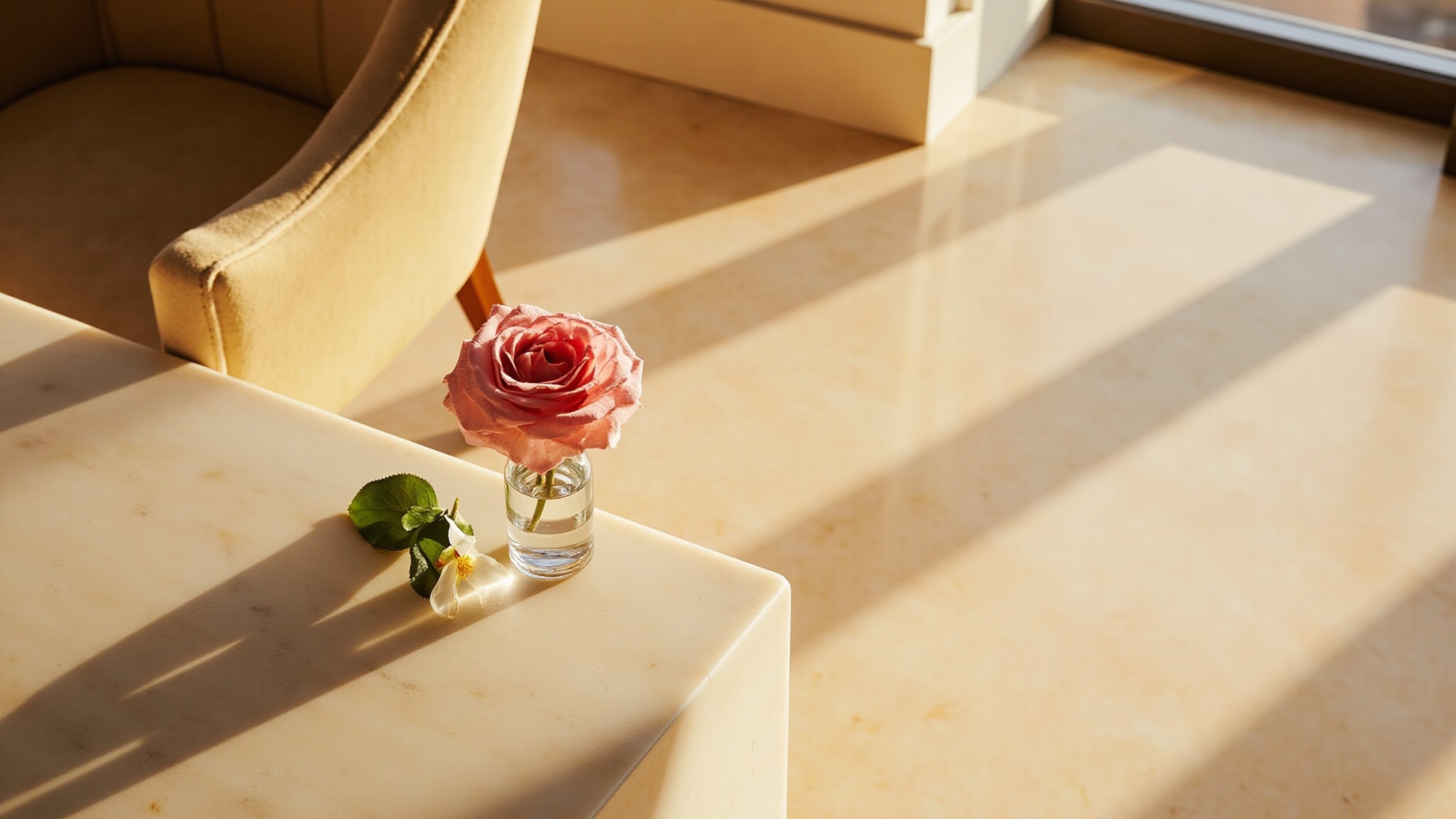
The name Polaire suggests cold, arctic, distant. What the fragrance delivers is the opposite. The cool, crisp opening with freesia and pear is genuine, but it doesn't linger. Within the first hour, the composition pivots. Rose becomes the dominant force, not a polite garden rose but something warmer, more resinous, held up by amber. The pink pepper and ginger in the heart add a slight sparkle. They keep the rose from becoming sentimental.
The evolution
The opening lasts maybe thirty minutes, clean, crisp, a little green from the pear. Then the freesia softens, and the rose begins to rise. By the second hour, you're in the heart: pink pepper and ginger lending a slight effervescence to the floral, amber starting to build underneath. The drydown is where Polaire earns its longevity reputation. Patchouli and balsamic notes settle into something warm and powdery that stays close to the skin. It doesn't project aggressively after the first hour, but it doesn't disappear either. You catch it when you move. The next morning there's a ghost of amber on the wrist, faint but present, the kind of trace that makes you want to reapply.
Cultural impact
Polaire doesn't have an extensive cultural footprint in the fragrance press, but the name itself is a conversation starter. Anyone who looks up the actress behind the name discovers a figure of early 20th-century Parisian entertainment. Wearers tend to describe it as underrated: a scent with genuine complexity and above-average longevity that doesn't shout for attention. It's the kind of fragrance people recommend when they want to seem knowledgeable.