
The Story
Why it exists.
The beginning
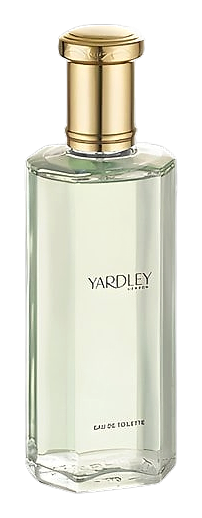
Yardley launched its Contemporary Classics collection in 2015, a curated revisit of signature florals from the house's archive. Lily of the Valley arrived as the fourth expression in the series, following English Lavender, English Rose, and April Violets, each built around a single flower that had defined the brand at some point in its long history. The earlier Yardley Lily of the Valley, released in 1980, carried a broader botanical structure: bergamot, lavender leaf, lime, a whole garden of heart notes including jasmine, geranium, magnolia, mimosa, rose, and violet. The contemporary edition took a different approach, stripping the composition back to its most essential elements and refocusing the formula on a handful of key accords.
Lily of the valley presents one of perfumery's oldest challenges: the natural flower does not yield its scent to extraction. What goes into a fragrance labeled 'lily of the valley' is almost always a reconstruction, a combination of synthetic molecules that approximate the cool, green, slightly soapy impression of the living flower. The quality of that reconstruction determines whether the result reads as authentic or flat. Yardley's 2015 version works because it doesn't try to do too much. The pear note adds a fruity brightness that prevents the florals from going flat. Freesia brings a faint spice, a whisper of green pepper that lifts the composition without disrupting its composure.
The evolution
The opening is the briefest chapter. Pear arrives for fifteen to twenty minutes, crisp, clean, a little sweet without being sugary. It exists to wake things up. Then the lily of the valley takes over and holds the composition for the next two to three hours. This is the heart of the fragrance and it occupies it completely. The impression is cool and white, the smell of bell-shaped flowers on a green stem, just picked, held close. Freesia adds a barely-there green spice that stops the florals from going flat. Together they build the soapy, powdery quality that Yardley has always done well: not detergent-clean, but the cleaner kind of clean, the kind that smells like good soap and warm skin. The drydown arrives quietly. The florals thin. The musk base rises, soft, close, intimate. This is where it gets personal. The fragrance stops being a scent in the air and starts being part of your skin. Lasting another hour or two after the florals fade, fading from within rather than announcing itself into the room.
Cultural impact
Lily of the Valley sits comfortably within Yardley's broader identity as a house that makes florals for people who want to smell like themselves, only better. The contemporary edition earned steady wear from buyers who value restraint over projection, the kind of fragrance that works because it doesn't announce itself. It fills a genuine gap: for those who find most florals either too heavy or too synthetic, this one reads as clean, composed, and quietly well-made.